Menu
Menu
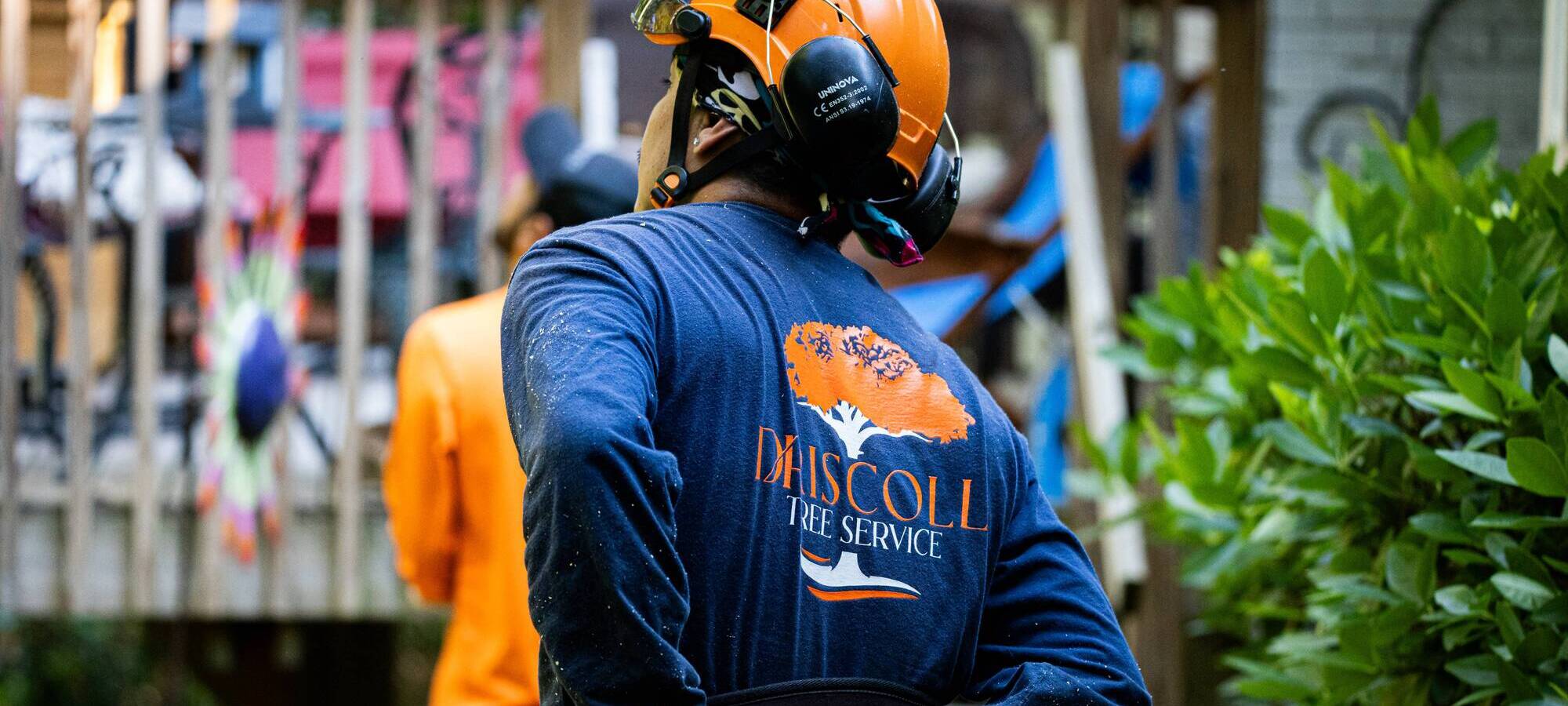

This is the second time using Driscoll, and we are pleased with the service. Michael is knowledgeable and punctual. We had eight trees trimmed, and they left no traces of the work in our yard. Polite workers. Reasonably priced as well. Highly recommend.
Great job they removed a big tree stump on our property with no problem and at a better price than the others guys wanted to charge us. Driscoll Tree Service team was on time and had the right equipment and got right to work.
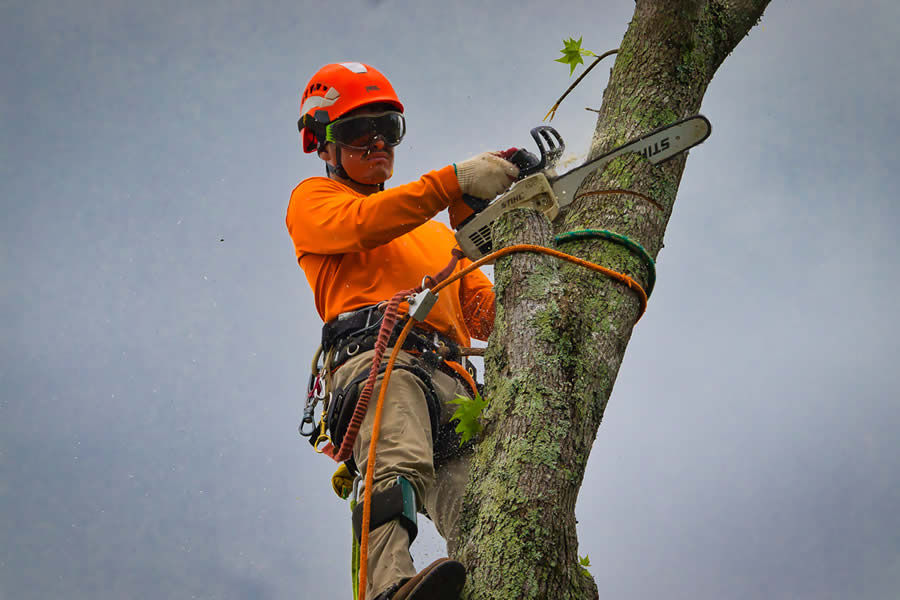
Trees are living, breathing parts of our landscape, and they give us shade on hot Georgia afternoons, freshen the air, and sometimes even reward us with fruit. When chosen and placed well, trees increase property value and make a yard feel complete.
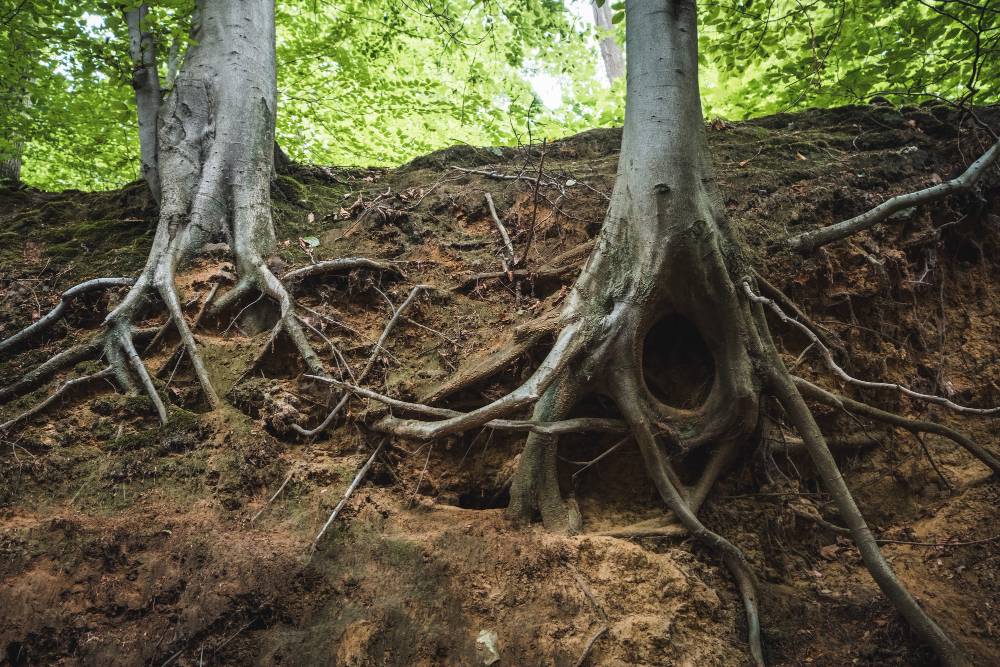
But trees have another side… one that homeowners don’t always see until damage has already started: Underground, roots can become invasive, destructive, and costly if left unmanaged.
In this brief article brought to you by Driscoll Tree Service, we pull back the curtain and highlight the threats that tree roots, especially diseased and damaged ones, pose to your building and structures.
Tree roots don't actually punch through solid concrete foundations like battering rams. Instead, they work more sneakily and persistently. As you know, roots are constantly searching for water and nutrients, and they will squeeze into any crack or weakness they find in your foundation.
Once a root enters a tiny crack, it grows. As it expands, it widens the crack little by little. What started as a hairline fracture becomes a serious structural problem. Water follows these cracks and makes everything worse – and that’s not even considering the freeze-thaw cycles.
The bigger threat comes from what roots do to the soil around your foundation. Large trees drink hundreds of gallons of water daily from the ground. This constant water removal causes soil to shrink and sink. As the soil pulls away from your foundation, it creates gaps and causes the foundation to settle unevenly.
Your sewer and water lines run underground, and they’re made of durable materials – but nothing lasts forever. These pipes develop small cracks over time through normal wear and age, and tree roots smell the moisture and nutrients in these pipes. You can bet a tree root is going to seek them out.
Roots thread through tiny cracks in these pipes and feast on the constant water supply and nutrients flowing through your sewer lines. As they grow, they create thick masses that block pipes completely. The first sign of root invasion is often slow drains throughout your house.
Ignore the slow drainage for too long and you face complete blockages that require a professional plumbing intervention. Sadly, removing roots from pipes doesn't solve the problem permanently. Those roots will grow back unless you address the source tree.
Sometimes tree removal becomes necessary to protect your plumbing system from repeated invasions. Granted, there are mechanical and chemical solutions as well.
You've probably seen sidewalks buckled and cracked by tree roots pushing up from below (hopefully not on your property). This same damage happens to driveways, patios, and walkways on your property.
When they encounter concrete or asphalt in their endeavor for water, they don't stop – they grow underneath and eventually push upward. The concrete lifts, cracks form, and chunks break apart.
This creates more than just ugly landscaping. Raised, cracked concrete presents serious tripping hazards. Guests can fall and injure themselves. This is especially problematic for businesses and commercial properties.
Even smaller trees cause damage when planted too close to structures. So, keep your eyes peeled for the following warning signs that it’s time to call a tree company in Snellville:
Residents in the Atlanta area who are looking for professional tree service from a reputable tree company can call Driscoll Tree Service. With decades of cumulative industry experience and a team of uniformed and trained professionals, we are proud to be a leading source for everything from planting and pruning to the inevitable removal.
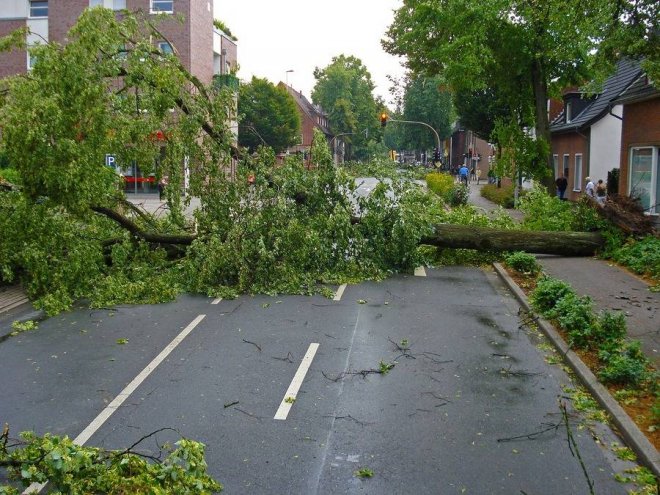
How Storms Impact Your Trees Trees are a valuable addition to any landscape. From enhancing curb appeal to improving the overall quality of life, trees are no denying essential to the ecosystem. However, like most living things, trees are susceptible…
Read More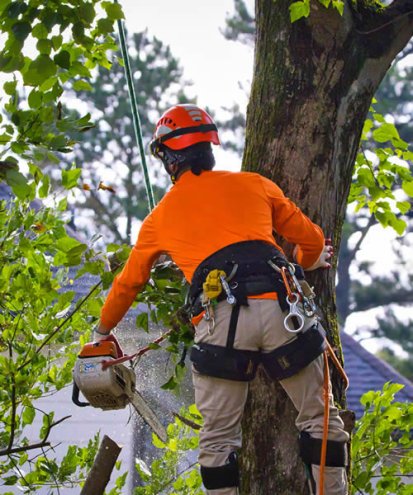
Signs It's Time to Trim Your Trees Trees play a vital role in our environment, offering many benefits, including fresh air, shade, and curb appeal. However, trees require proper care and maintenance to thrive. Regular trimming is one of the most crucial…
Read More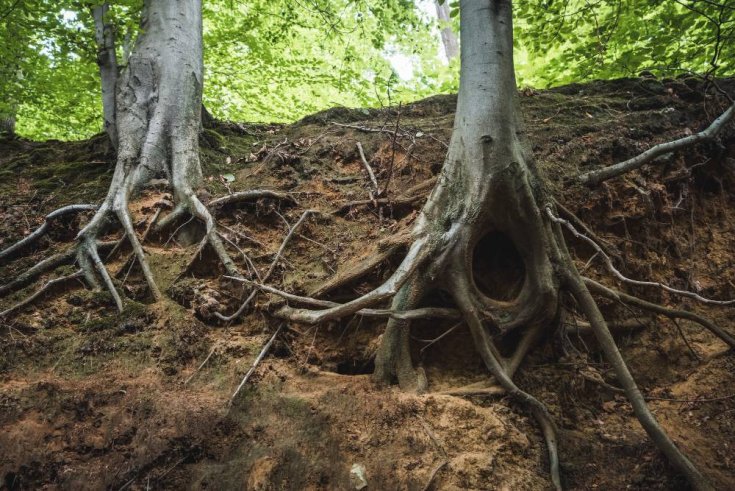
Root Damage That Threatens Structures Trees are living, breathing parts of our landscape, and they give us shade on hot Georgia afternoons, freshen the air, and sometimes even reward us with fruit. When chosen and placed well, trees increase property…
Read More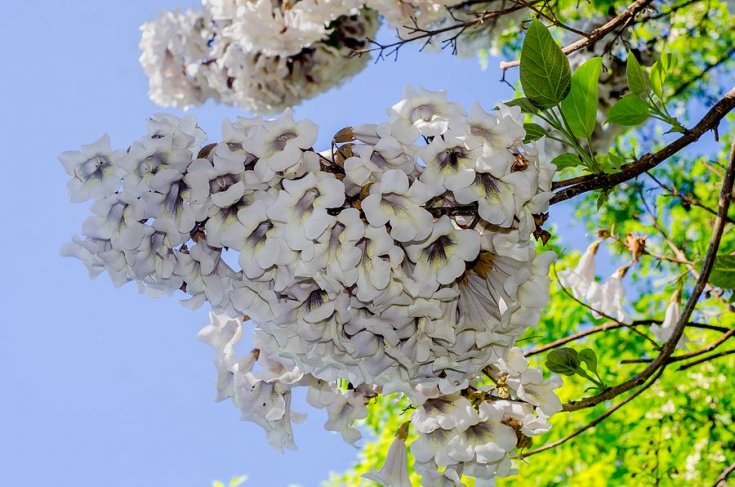
3 Types of Tree Flowers There’s nothing more spectacular than the fantastic spectrum of colors as different trees bloom. Whether you appreciate the distinct scent of blooming pine cones or despise the memory of stepping on mushy fruits, trees don’t…
Read More
Cracks, Rot, and Weak Branches: When to Call a Tree Service Trees are magnificent entities that provide numerous benefits to our landscapes and the environment. From adding shade and beauty to purifying the air we breathe, we rely on trees…
Read More
Can You Cut Your Neighbor’s Overhanging Tree Branches? Neighborly conflicts are common among many homeowners, the most common being trees or branches hanging from the neighboring yard. If you’ve asked your neighbor to remove the branches with no luck or…
Read More
5 Bad Pruning Examples Tree pruning and trimming are vital for maintaining a healthy and aesthetically appealing yard. Proper tree care ensures robust growth, a sturdy structure, and a beautiful shape. However, improper pruning can cause serious issues such as…
Read More
Eco-Friendly Tree Removal Trees are valuable entities in our ecosystems, providing habitats for wildlife, absorbing carbon dioxide, and improving the planet’s overall health. However, there are instances when tree removal is the best option to protect your yard from diseases,…
Read More
Essential Tree Care Tips for Every Season Trees require regular care and maintenance to thrive. However, different seasons call for specific care to prevent irreversible damage and premature tree removal emergencies. With that in mind, hiring a professional tree care…
Read More
The Advantages of Landscaping for Real Estate Most people assume landscaping entails levelling the terrain of a property to enhance curb appeal. While this is partially true, there’s more to it. Whether it’s including plants, paving, gardening or adjusting visible…
Read More