Menu
Menu
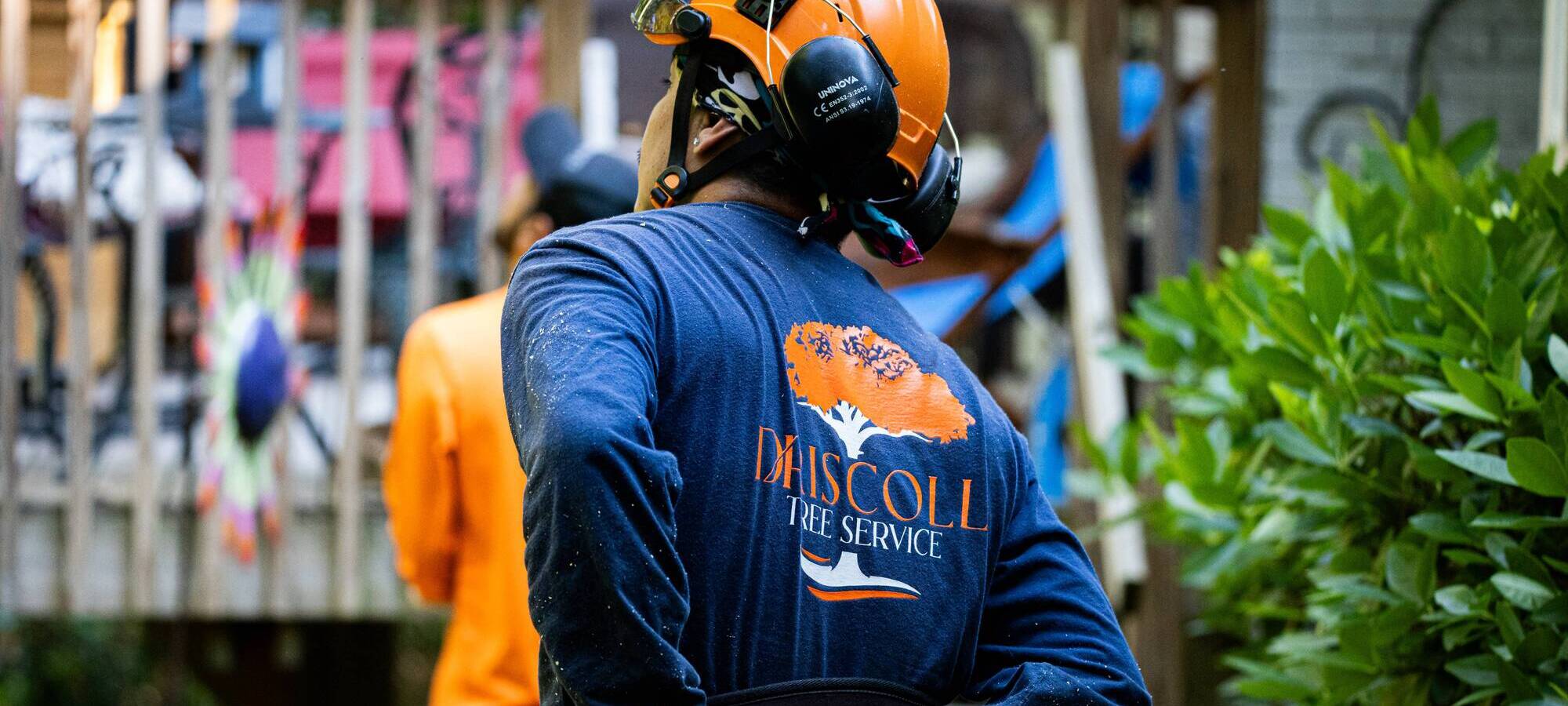

It took a while for the weather to cooperate, but when the time came, all went well with excellent results. The crew removed a large water oak and a small trash tree. They worked well together and when finished, the job site was cleaned up nicely. They were friendly and informative. Neighbors were also impressed. I highly recommend Driscoll Tree Service.
I had a large oak tree taken down near power lines and an outdoor kitchen. I was well informed about the work they were going to do and how long it should take. The team was professional, fast and dropped the tree safely. They used a bucket truck and climber to trim branches from the top half of the tree with no damage to the yard around the tree. I am extremely pleased with Driscoll Tree service work.
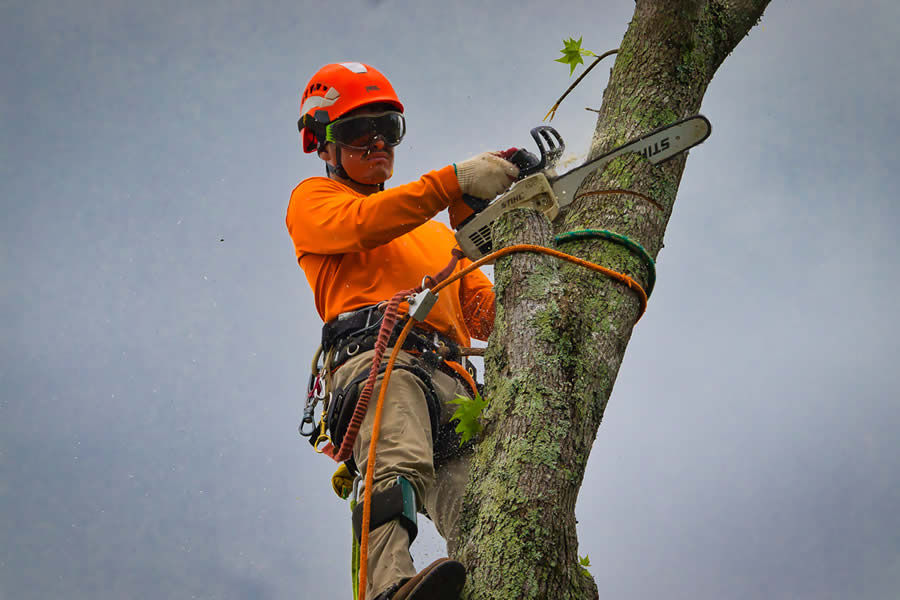
An arborist or tree surgeon is a well-trained professional with extensive knowledge in applying various maintenance techniques to trees, vines, shrubs, and perennial plants. Suppose you are passionate about providing professional care to the trees on your property. In that case, Driscoll Tree Service is a trusted tree care company with a team of industry experts who can put you on the right path to becoming a certified arborist. An arborist plays a vital role in every community, helping property owners enjoy healthy and appealing trees and other plant life on their premises.
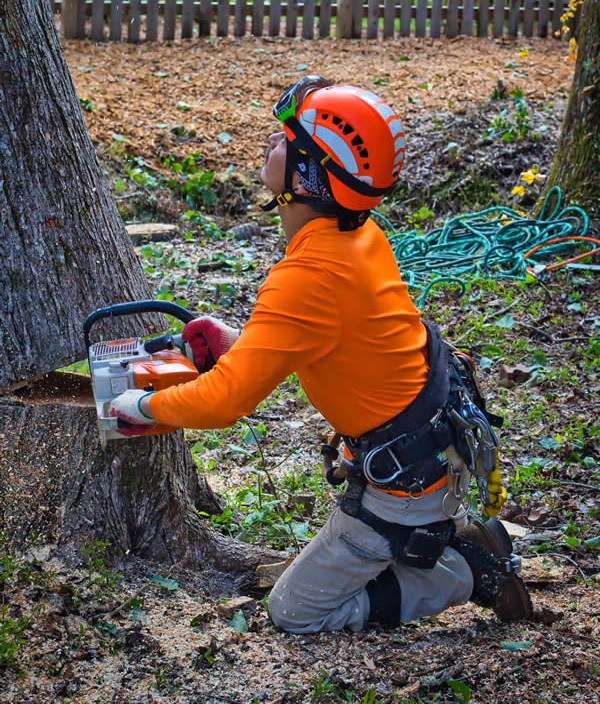
Arborists perform a wide range of services associated with tree care, such as planting, assessing the soil conditions, developing a landscaping plan, cleaning up debris, conducting turf management, and many more. If these activities are comfortable for you, you are ready to start your journey toward becoming a certified arborist. Here are steps to help you start a reputable tree service provider career.
Arborists are expected to have at least a GED or high school diploma. However, this doesn’t mean you can’t advance your knowledge by acquiring an advanced degree in horticulture or forestry gives you an in-depth understanding of critical procedures. Even if you lack formal education, there are training institutions that can help you build a strong foundation in your new career path. Most employers look for technicians who have attained at least a high school diploma, allowing most people to have an opportunity to pursue a career in arboriculture.
While not all states require an arborist to have a state-issued license, it is advisable to inquire from the Department of Energy and Environmental Protection to determine if you need one. If you plan to work in another state, conduct comprehensive research to ensure you meet all the requirements and avoid penalties and fines.
On-the-job training is crucial if you are starting a career as an arborist, and shadowing professionals or applying for an internship in a tree care company is an excellent place to start. Spending time on various tree care projects with experienced tree service providers helps you familiarize yourself with standard industry tools while learning from the team leader how to perform various activities such as pruning, climbing, and stump removal, among others.
As an arborist, you usually encounter various safety hazards on the job. Therefore, learning safety measures to help you complete your work without risking your team or anyone around is essential. Arborists also work with dangerous tools, such as grinding saws and harmful chemicals that can severely impact your overall well-being. Through on-the-job training, you can familiarize yourself with various safety protocols to ensure you provide tree care with the utmost professionalism.
A certified arborist is preferred by most property owners in need of tree care because it shows they have the skills and professionalism needed to get the job done. You are eligible for certification if you have more than three years of experience, a bachelor’s degree, and an associate degree with a minimum of two courses associated with arboriculture.
For more information, contact us at Driscoll Tree Service and schedule a consultation with our team of experts. We provide exceptional tree care and maintenance at competitive market rates without compromising quality.
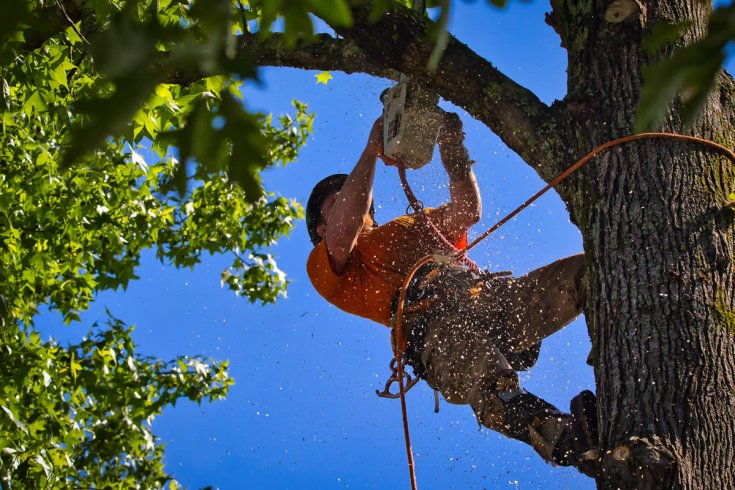
Why You Need an Arborist to Prune Your Trees Tree pruning is a vital part of property maintenance, but it's not a job for everyone. Mistakes made while pruning or trimming your trees could result in poor tree health, property…
Read More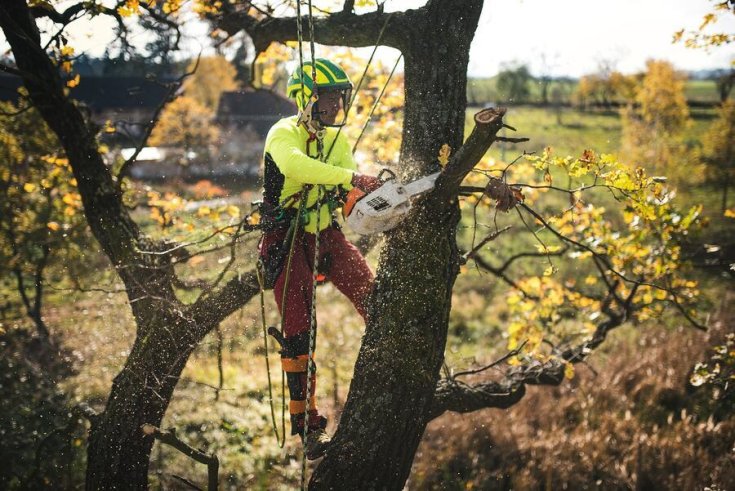
What Exactly Is an Arborist Report? Trees are a valuable addition to our environment, providing oxygen, curb appeal, shade, and a habitat for various species. However, when it is time for tree removal, especially protected ones, there are legal and…
Read More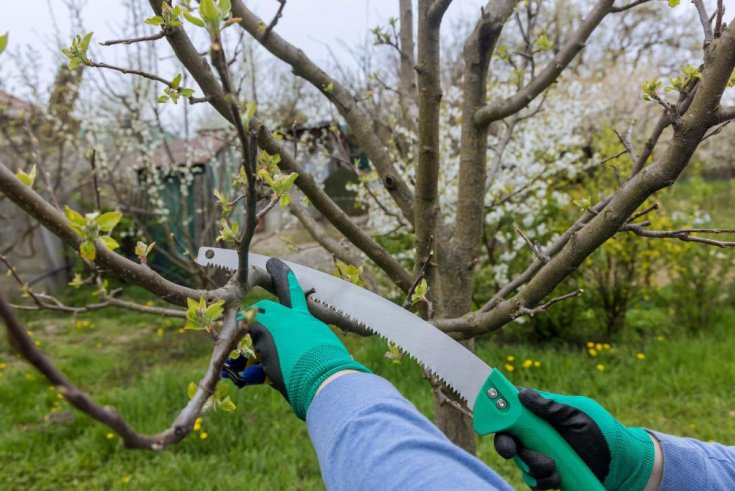
Hazard Limbs in Trees Trees are majestic entities that provide many ecological benefits, adding beauty and vitality to our surroundings. Besides their magnificent presence, there’s an underlying problem: hazardous limbs. These precarious branches pose property and personal safety risks, especially…
Read More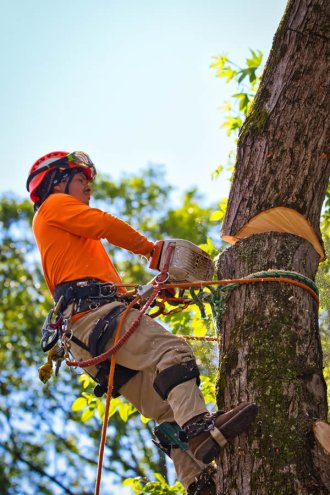
Hey there, Metro Atlanta neighbors! Whether you’re battling Bradford pears that shed like a husky in July or nurturing a century-old oak that’s seen more history than Peachtree Street, the tree care specialists at Driscoll Tree Service have some tips…
Read More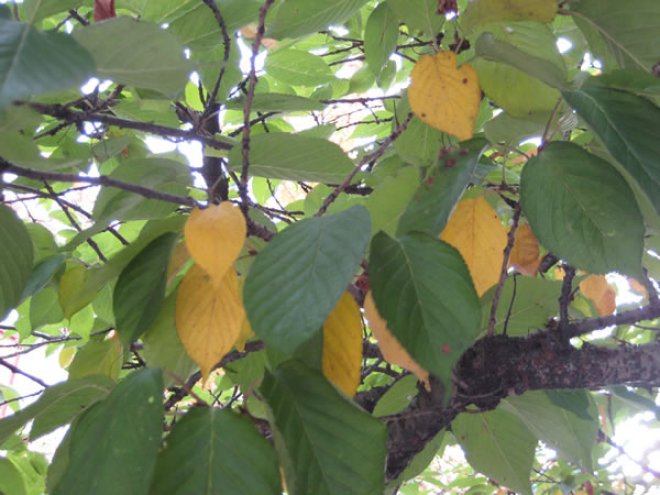
5 Signs of Tree Problems Trees are an important part of our lives; one we can’t live without. This is why it’s crucial to take care of our environment. Sometimes you can tell when a tree is ill or dying…
Read More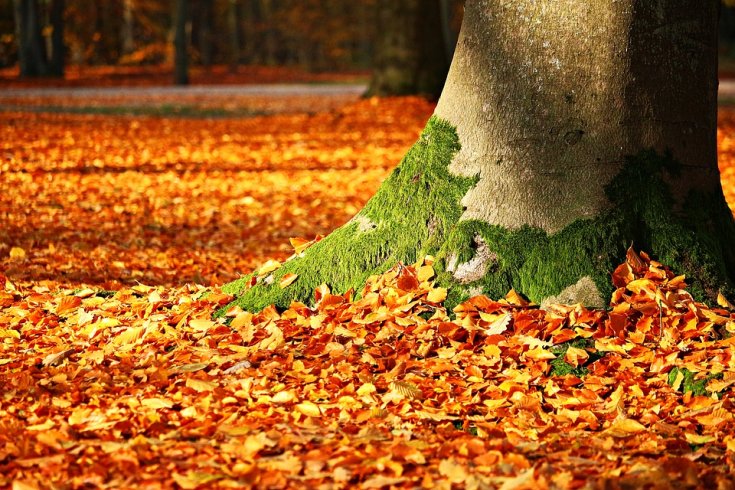
Why Leaves Change Color in the Fall As fall nears, property owners need to understand why leaves change color. Chlorophyll, a green pigment found in algae, plants, and cyanobacteria, plays an essential role in photosynthesis, allowing plants to absorb energy…
Read More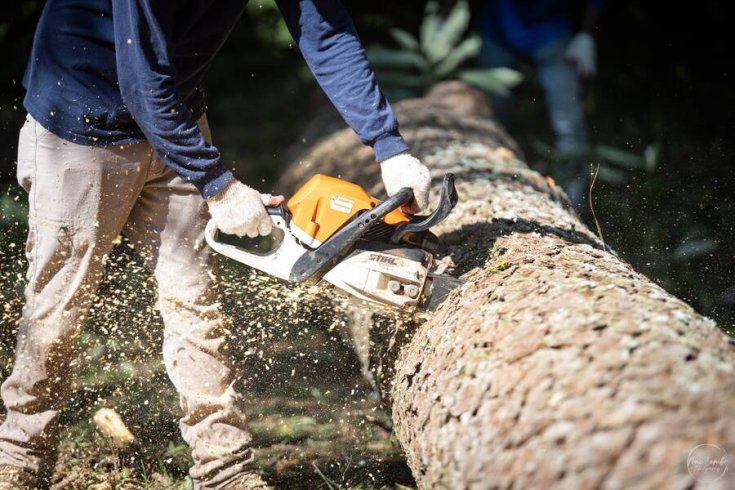
When Is It Time to Say Goodbye to a Tree? Signs Your Tree Might Be Better Removed There’s nothing like sitting under a shady oak on a hot Georgia afternoon or watching the dogwoods bloom in spring. We love trees…
Read More
It’s one of the most classic homeowner dilemmas: you plant a tree, watch it grow tall and proud for decades until, one day, you notice the driveway starting to buckle. Cracks appear and spread; the once-smooth concrete begins to lift…
Read More.jpg)
How to Manage Fallen Tree Leaves in Your Yard We've got all four seasons here in the Metro Atlanta area, but the seasons like to blur their lines. One minute it’s spring; the next it’s 90 degrees with a chance…
Read More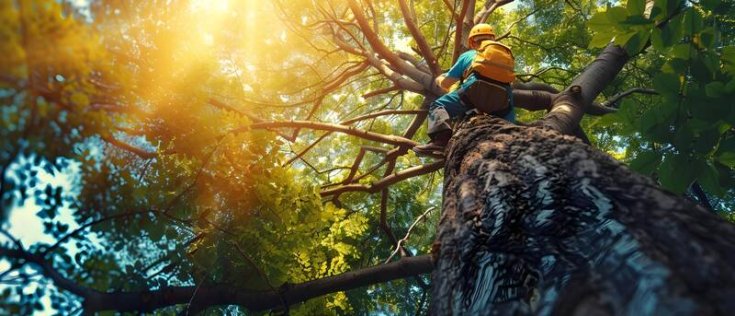
Is That Leaning Tree Dangerous? Here’s What Homeowners Should Know There’s nothing quite like the beauty of a big, healthy tree standing tall in your yard. Whether it’s a towering oak providing shade or a row of evergreens lining your…
Read More