Menu
Menu
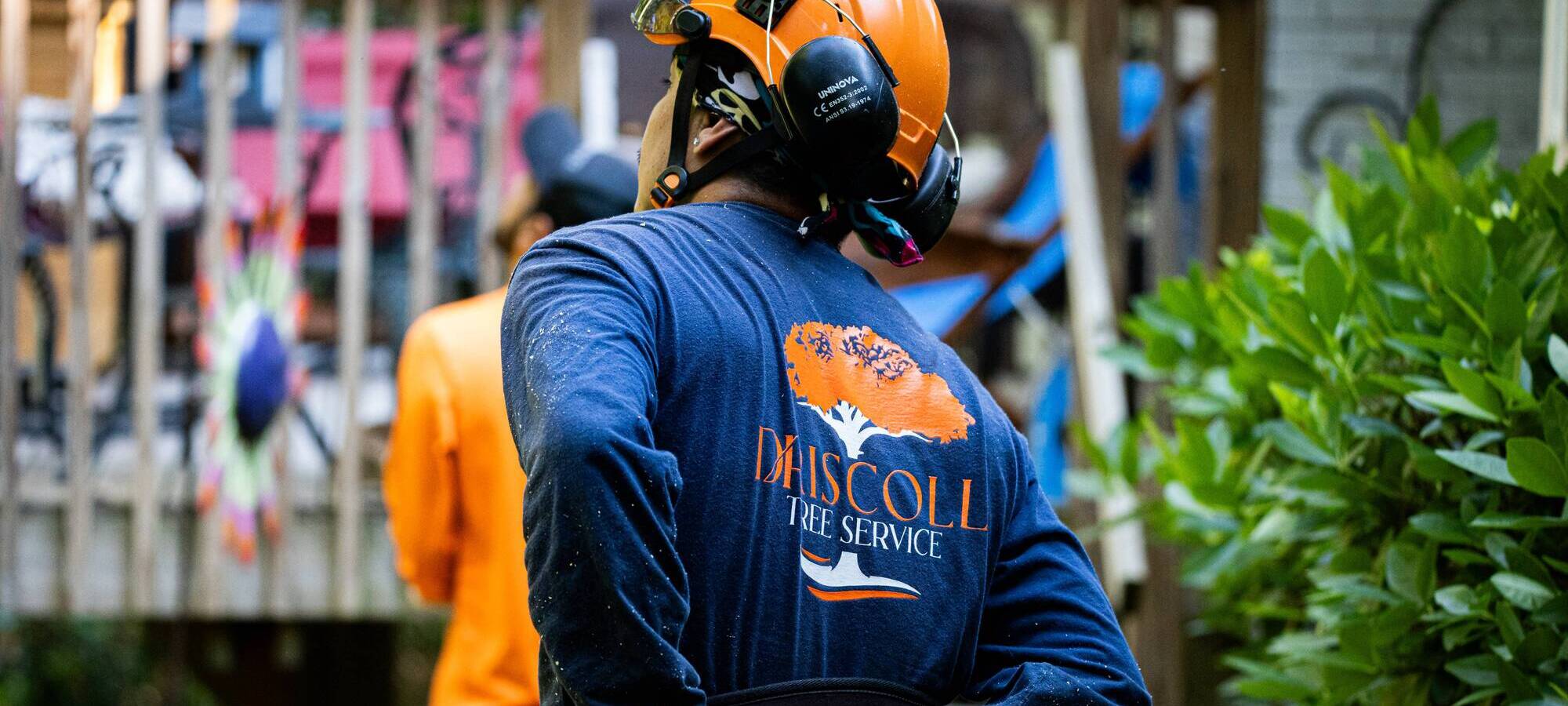

Efficient, Affordable, and Professional what more can you ask for in a company. I had a big tree in my yard that needed to be cut down. From the estimate from Michael and the actual job being performed by his crew, everything was satisfactory. Including the clean-up. They’re also licensed and insured so that made selecting for the job even more comfortable. I highly recommend Driscoll Tree Service for your tree removal.
We called to have two large pine trees removed since they were in the way of where we needed to put our fence. We are slackers and always wait until the last minute to do anything so of course, we tried to find someone that could take these out quickly as we needed it done ASAP. These guys came out the same day I called and were able to get them out the next day. I was so impressed by how nice and professional they are, it’s nearly impossible to get anyone to come out and/or follow up with anything so it was extremely refreshing that they did both without me having to call and ask what the hold up was. I will forever use this company for future needs. Thank you again!!
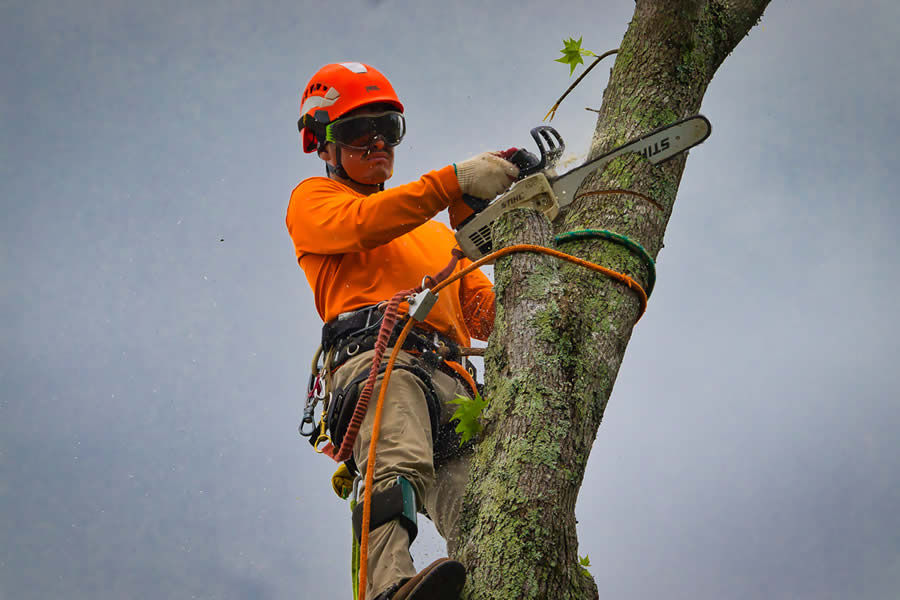
Trees play a critical role in our environment, providing many benefits like shade, oxygen, and beauty to our landscapes. However, they can also be vulnerable to the destructive forces of nature, especially during storms. If you live in an area that experiences frequent high winds, heavy rains, and lightning, the risk of severe damage, breakage, or complete tree removal is high. While preventing all storm-related damage is impossible, Driscoll Tree Service recommends the following proactive measures to minimize the impact.
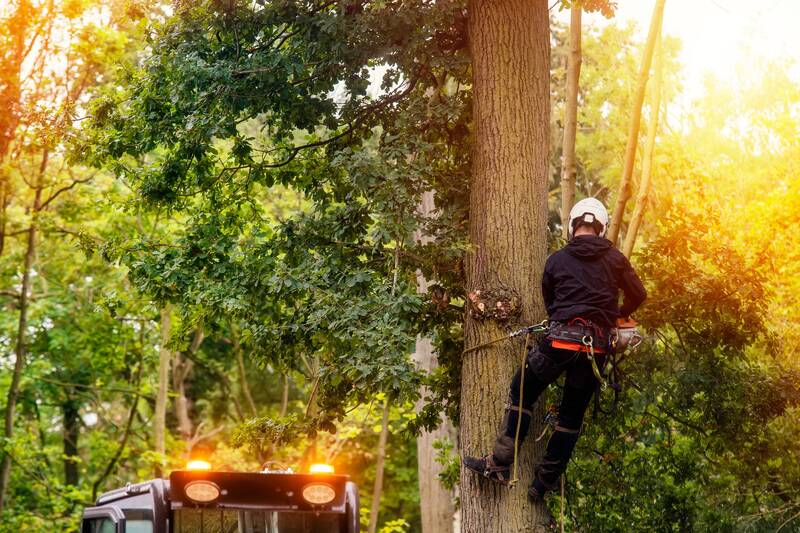
One of the most effective ways to minimize storm damage to trees is through regular pruning and maintenance. Arborists conduct strategic pruning to eliminate weak, dead, or diseased branches more likely to break during high winds or heavy rains. By removing these vulnerable parts, you can reduce the overall wind resistance of the tree, allowing it to withstand storms better. It's important to consult a reputable tree care company in Sugar Hill to ensure proper pruning without compromising the tree's structural integrity.
Choosing the right type of tree for your landscape is crucial in minimizing storm damage. Some trees are more resistant to wind and storm damage because of their root structure, wood strength, and overall growth habit. When selecting trees, arborists often recommend native species adapted to your region's climate and soil conditions. In addition, tree service professionals can determine proper planting techniques to prevent future hazards and enhance storm resilience.
If you have trees susceptible to wind damage, consult a tree care company to install support systems like cabling and bracing for additional stability. These systems redistribute the mechanical stress that a tree experiences during storms, reducing the risk of branch failure or trunk splitting. While this is not a solution for all trees, consult a certified tree service provider to determine the appropriate support systems to address structural weaknesses.
Healthy trees start with healthy soil. Apply mulch around the base of a tree to help with moisture retention, regulate soil temperature, and improve root development. These all contribute to a tree's overall health and stability. It is advisable to prioritize proper soil management, including adequate watering and fertilization. This ensures your trees are strong enough to withstand the stress of storm conditions. A well-nourished tree with deep roots is less likely to be uprooted or suffer from soil erosion during heavy rains.
Lightning strikes can cause significant damage to trees, often splitting them or causing internal damage that weakens their structure. Installing a lightning protection system for high-value trees or those located near buildings can be a worthwhile investment. These systems safely redirect the electrical charge from a lightning strike away from the tree, minimizing the risk of damage. While they don't offer protection from other types of storm damage, they can significantly reduce the likelihood of lightning-related harm and subsequent tree removal emergencies.
Regular inspections by a certified tree service professional can help identify potential weaknesses or issues that could make a tree more susceptible to storm damage. Arborists can assess tree health, detect diseases, and recommend treatments or interventions to strengthen the tree. By catching problems early, property owners can take corrective actions that prevent more significant damage during storms. These inspections are important after a storm to address immediate concerns and prepare the tree for future weather events.
While preventing storm damage to trees is impossible, these strategies can significantly reduce the risks and impact. Contact us at the Driscoll Tree Service to take a proactive approach by investing in tree care. We leverage extensive knowledge and expertise to ensure your trees remain healthy, resilient, and a lasting asset to your landscapes.
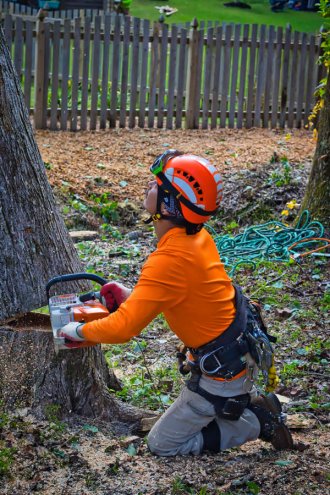
Professional Tree Service vs. Handyman Large green trees are a valuable addition to any landscape. Healthy trees enhance the overall curb appeal and property value, purify the air, and attract wildlife. Routine maintenance is vital to ensure your trees grow…
Read More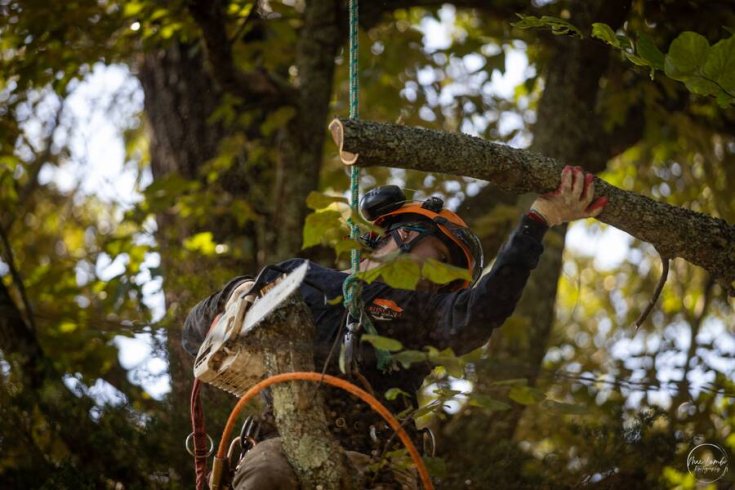
From the towering oaks that shade our driveways to the graceful magnolias that perfume our summers, trees are part of the charm of Georgia. They give our landscapes shade, color, oxygen, and sometimes fruit. While trees are a blessing, they…
Read More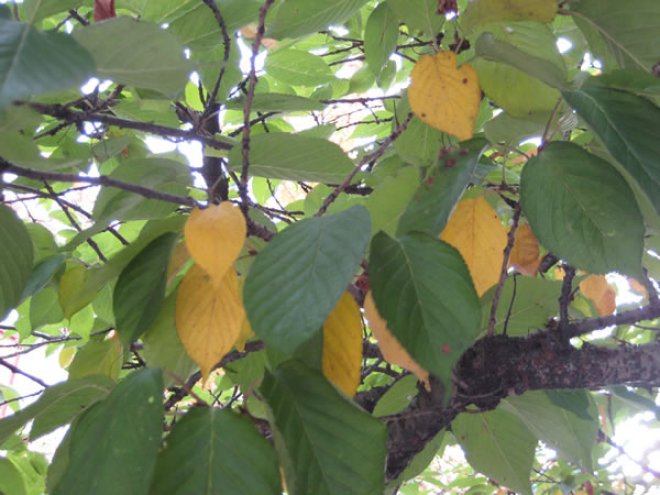
5 Signs of Tree Problems Trees are an important part of our lives; one we can’t live without. This is why it’s crucial to take care of our environment. Sometimes you can tell when a tree is ill or dying…
Read More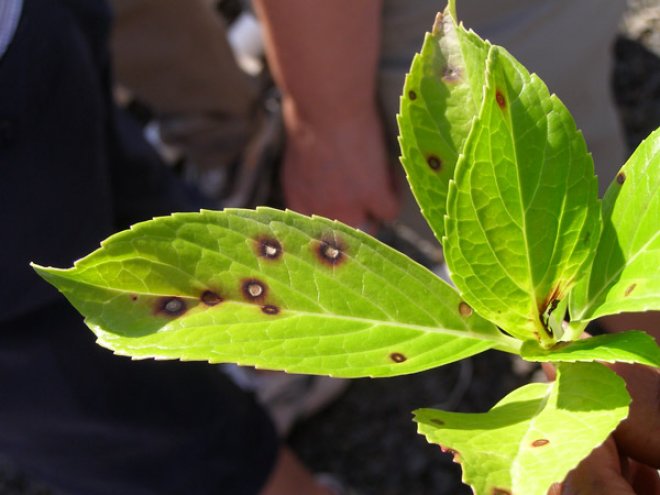
Brown or Black Spots on Tree Leaves As a homeowner, landscaping enhances curb appeal, safety, and property value. This includes scheduling routine inspections with a professional tree service provider. Trees provide many benefits to your home and the ecosystem, hence…
Read More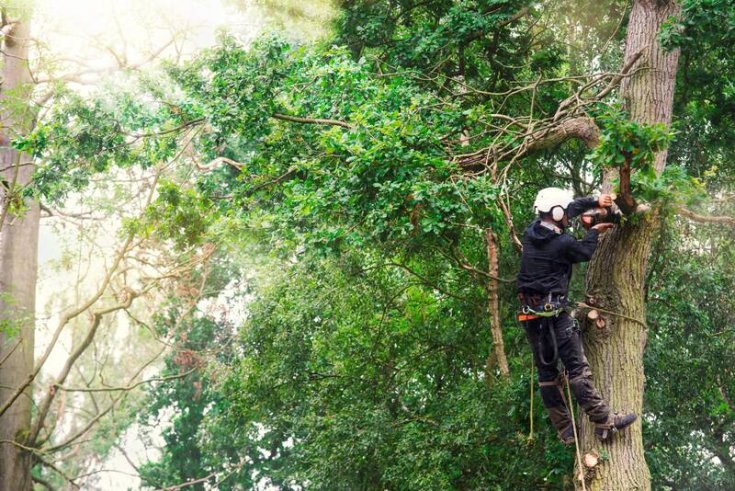
Why Regular Tree Maintenance Is Essential for a Healthy Yard It’s easy to take trees for granted. Most homeowners would never skip a doctor’s appointment or ignore their pet’s annual checkup, but routine care often slips through the cracks when…
Read More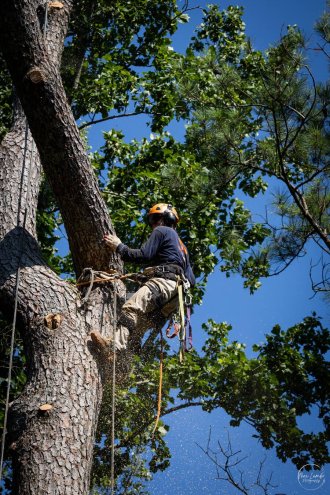
How to Support Tree Limbs Trees are majestic entities that offer many benefits, from shade and air quality to providing a habitat for wildlife. However, mature trees can become heavy or grow with weak attachments, leading to structural issues and…
Read More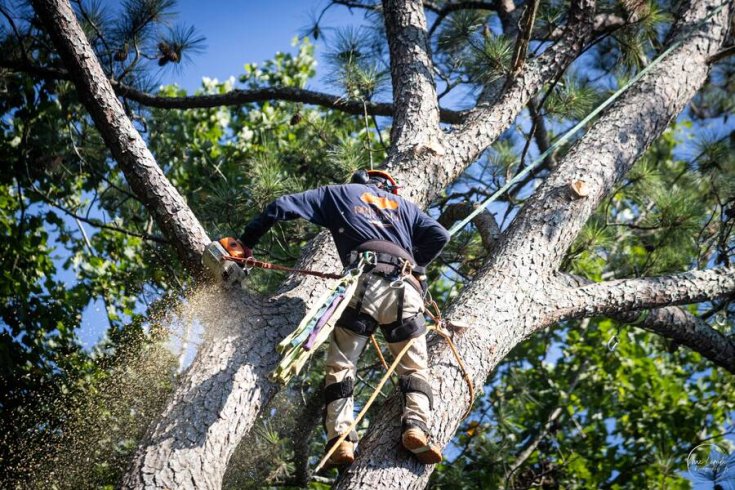
The Best Time of Year to Trim Your Trees (And Why It Matters) Trees are more than just scenery that beautify Metro Atlanta's landscape; they’re vital parts of our yards and provide shade, beauty, and environmental benefits. If you want…
Read More
Benefits of Planting Trees Out of all the things you can do to enhance the aesthetics and value of your property, planting trees is at the top of the list. However, planting trees has many benefits, including social, environmental, and…
Read More
The Dangers of Ignoring Tree Removal Trees are not only nature’s exquisite creations but also valuable assets that enhance the beauty and character of your landscape. Their presence provides shade, improves air quality, and contributes to the overall aesthetics of…
Read More
Will Pruning a Diseased Tree Help It Survive? Detecting signs of deterioration in your trees can be quite frustrating, especially if irreversible. Luckily, scheduling routine maintenance inspections with a professional tree care company helps detect trivial signs of infection or…
Read More