Menu
Menu
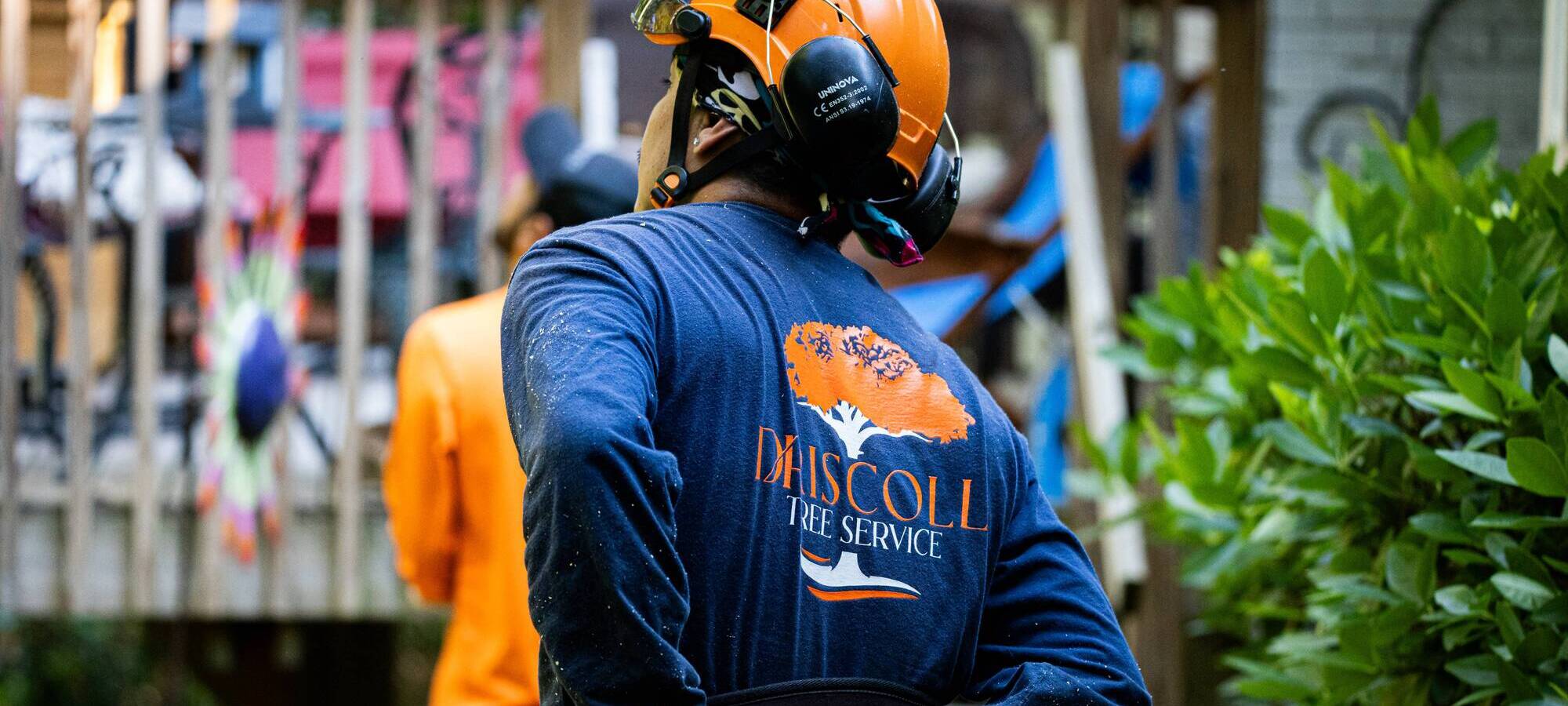

Michael came out to evaluate some trees I had with a questionable fungus on them, and ultimately the course of action was removal for a select few. He got me an estimate for the removal within a matter of days. They had the most competitive prices out of the other estimates I got. Michael is a very knowledgeable Arborist and you can tell he is passionate about his work. He wasn't pushy at all about the removal like some of the other companies I had come out, and he advised me on doing it in "phases" to fit my budget. The actual tree removal and stump grinding itself was so smooth and all the workers that came with the crane and stump service were very professional and communicative about what the process was going to be.
I had a large oak tree taken down near power lines and an outdoor kitchen. I was well informed about the work they were going to do and how long it should take. The team was professional, fast and dropped the tree safely. They used a bucket truck and climber to trim branches from the top half of the tree with no damage to the yard around the tree. I am extremely pleased with Driscoll Tree service work.
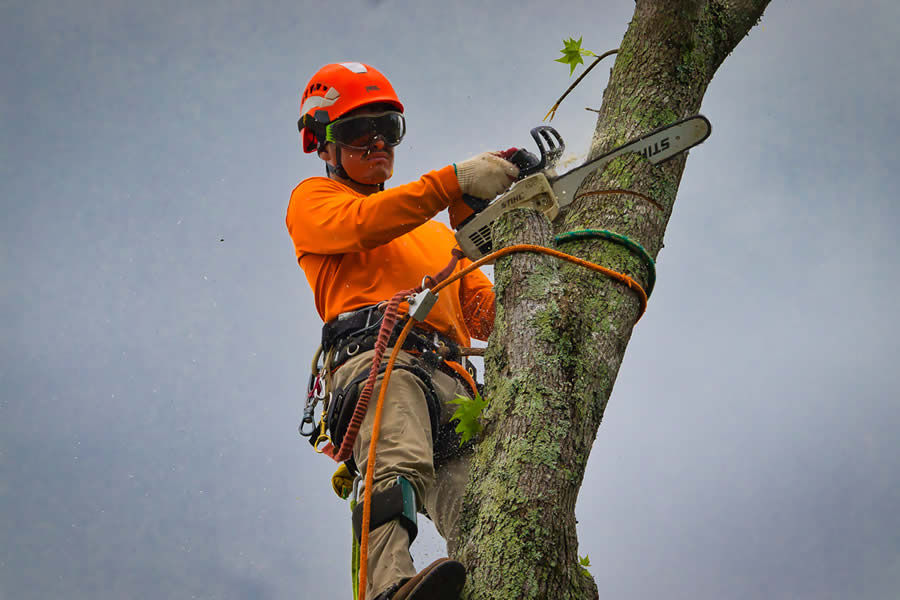
There’s nothing quite like the beauty of a big, healthy tree standing tall in your yard. Whether it’s a towering oak providing shade or a row of evergreens lining your driveway, trees bring character and calm to a property. But when a tree starts leaning, your peaceful landscape can turn into a very real danger zone.

If your tree is suddenly tilting more than it used to, it is not the time to shrug and “keep an eye on it” – it’s time to grab the red flag and wave it like a referee calling out a bad play.
A leaning tree is often a dire warning sign, and depending on the cause, a tree removal may be your only safe option. In this brief article brought to you by Driscoll Tree Service, we break down what every homeowner needs to know about leaning trees.
First, let's clarify an important distinction: some trees naturally grow at an angle, and they're perfectly fine. If you've got a tree that's been leaning the same direction since you moved in ten years ago, then it's probably adapted to that position. These trees develop root systems and trunk strength to support their angled growth.
The dangerous lean is the sudden one, like if the tree was standing straight last month but now looks like it's bowing toward your house – or if the tree has shifted after the recent storm. This sudden change means that something has fundamentally compromised the tree's stability, and that's when you need to take action immediately.
Trees don't just decide to lean over on a whim. Sudden leaning almost always points to root damage, soil failure, or internal decay:
Whatever the cause, a tree leaning at more than 15 degrees is fundamentally unstable. The weight distribution is wrong, the root system is compromised, and the structural integrity is questionable at best.
Don’t gamble with gravity: Leaning trees almost always go in the same direction – down. Call or message a reputable tree company like Driscoll Tree Service to have a trained arborist investigate.
Consider the physics involved. A mature oak tree can weigh several tons. With every degree of leaning comes an exponentially greater load on the support structure. Eventually, the roots and trunk give out. Call for professional tree service in Stone Mountain as soon as possible.
In the meantime, keep people and pets away from the area beneath and around the tree. Don't park vehicles near it, either. If the tree is leaning toward your house, then consider the potential fall zone and avoid those rooms if possible.
More importantly, avoid trying to straighten or stabilize the tree yourself. People have been seriously injured or killed trying to DIY such tree fixes. This isn't a job for ropes, trucks, and good intentions; it demands professional equipment and expertise.
Whether you have questions or want to hire a local tree care professional, the team at Driscoll is always ready to help. Call or message Driscoll Tree Service to get in touch today!
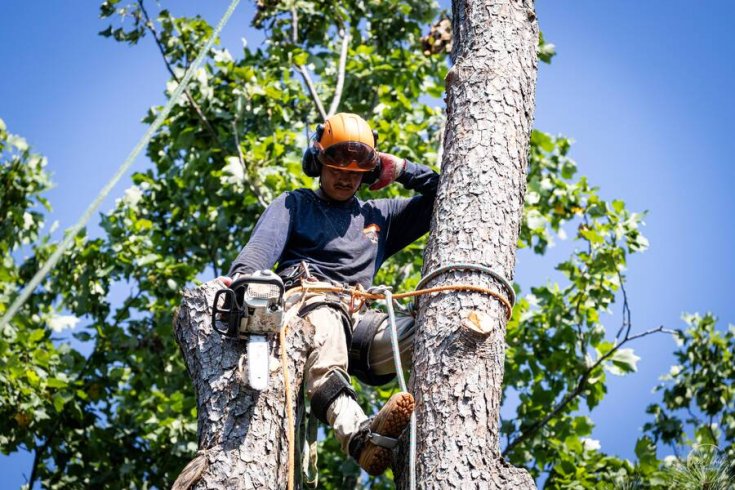
Pruning Mistakes That Invite Pests Into Your Home Proper pruning keeps trees healthy, encourages strong growth, and grabs the attention of prospective buyers and tenants. When pruning is done hastily or incorrectly, however, it can open the door to much…
Read More
How Proper Tree Care Can Support Wildlife Trees are magnificent additions to any landscape and the environment. Like most living things, proper care and maintenance go a long way to enhance aesthetics, health, and longevity. A healthy tree provides shelter…
Read More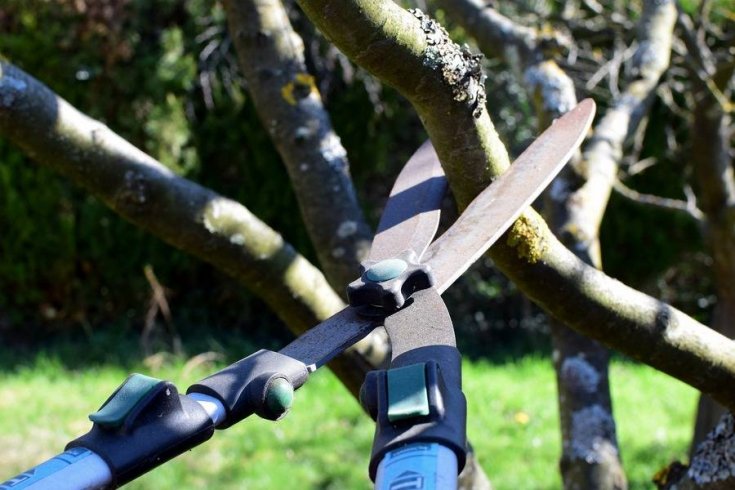
3 Commonly Used Tree Trimming Tools Trees offer many benefits, making them a valuable addition to any landscape. Like most living things, proper care is vital for growth and development, hence the need to schedule routine inspections with a professional…
Read More
Don't Ignore This Winter Tree Maintenance Winter is often characterized by barren trees sleeping dormant against ice and snow. While this is a breathtaking sight, property owners often overlook maintenance, forgetting these sleeping giants are alive under the snow. Proper…
Read More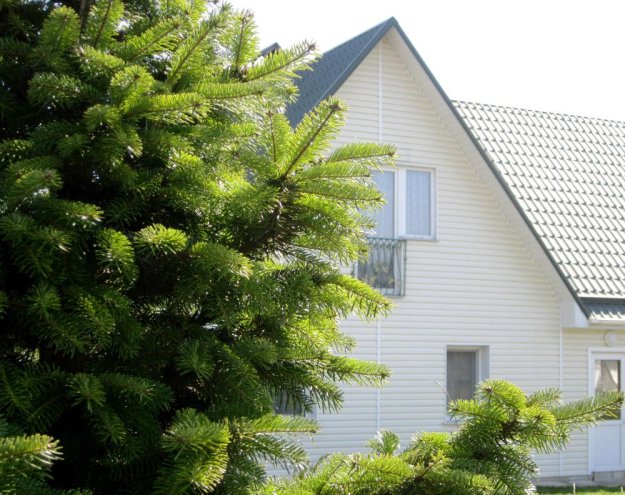
Trees and Your Home: Tips for Extending the Lifespan of Your Roof A well-maintained roof is crucial for any home, as it protects against the weather and maintains structural integrity. While trees can enhance property beauty and value, if they…
Read More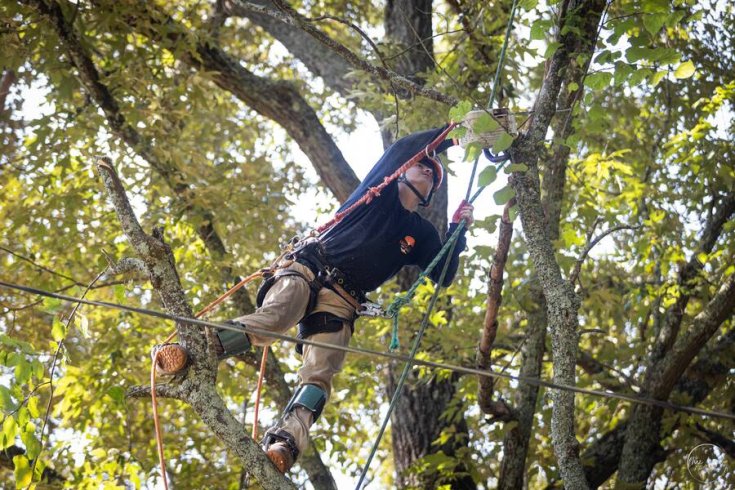
Myths About Tree Care Maintaining healthy trees requires proper care practices. Whether you prefer a hands-on approach or hiring tree service providers, regular care is essential for the trees’ overall well-being. However, most people rely on the internet for information,…
Read More
How to Prune Fruit Trees Trees are an excellent addition to any landscape. We get a lot of benefits from trees, especially fruit trees. Every homeowner with an orchard wants to enjoy the fruits from their trees, but first, it…
Read More
Is That Leaning Tree Dangerous? Here’s What Homeowners Should Know There’s nothing quite like the beauty of a big, healthy tree standing tall in your yard. Whether it’s a towering oak providing shade or a row of evergreens lining your…
Read More
Tree Pruning: DIY vs. Hiring a Professional Trees rarely need any maintenance in the winter because they are dormant. However, spring is around the corner and offers property owners a chance to prune trees in the backyard. It is advisable…
Read More
Best Tips to Clear Overgrown Land Land is one of the best investments you can make, but here’s the catch: if you want to unlock its full potential, then you’ve got to cultivate or develop it. Before you can do…
Read More