Menu
Menu
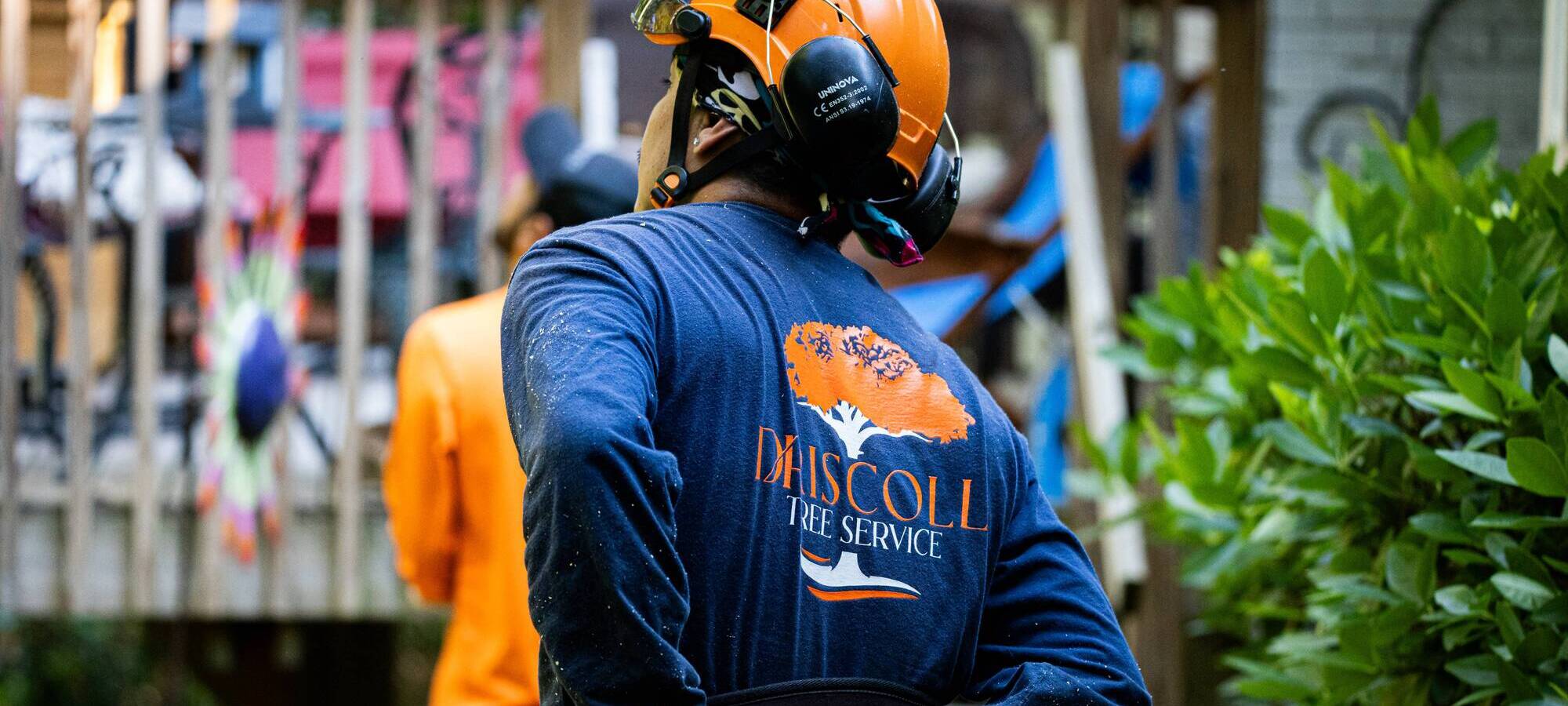

The service for Driscoll Tree Service was outstanding. Michael came out to meet with me, explained the pros and cons of how to deal with my tree removal, and provided a clear quote for the service. The crew that came out to do the work was on-time, professional and did a great job. One of the trees they had to remove was tall and in a spot where they couldn't get any heavy equipment to it, but they were able to take it down in pieces without damaging my landscaping or fence. If you are looking for a professional and competent tree service, I definitely recommend calling Driscoll Tree Service.
I used Driscoll Tree Service for years in Snellville, and now we use them in Atlanta. They do an excellent job every time. Friendly and knowledgeable crew. Results are always great. Thanks, Driscoll Tree Service!
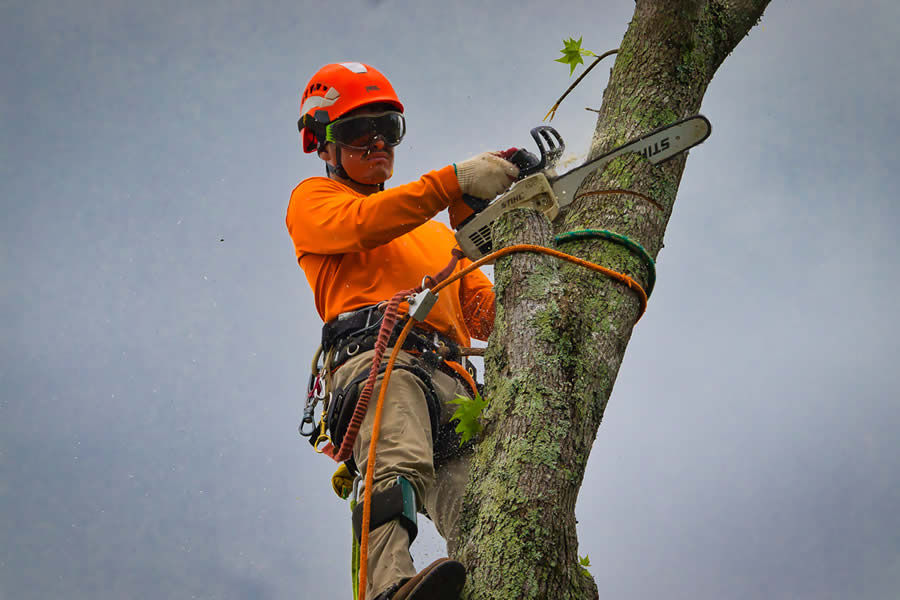
Trees offer many benefits, making them a valuable addition to any landscape. Like most living things, proper care is vital for growth and development, hence the need to schedule routine inspections with a professional tree service. Although enormous trees appear strong, failing to take good care of them can lead to safety hazards and property damage. The last thing you want is a significant branch falling on your home, car, or other people on the premises. Luckily, there is still time for you to work on your trees.
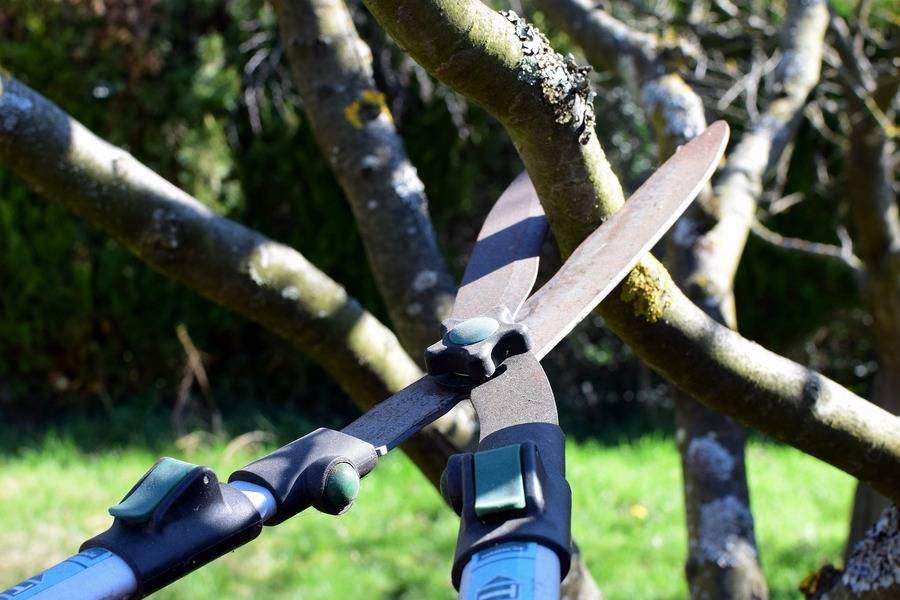
We recommend trimming during winter when the trees are dormant at Driscoll Tree Service. Most trees shed their leaves this time of the year, making it easy to access overgrown, diseased, or damaged branches. However, a reputable tree care company can help if you prefer a more hands-off approach. Before taking on tree care and maintenance projects like trimming, ensure you have the right tools. Here are three of the best trimming tools to own.
The most crucial tool in your shed is a pair of pruning shears. While shears appear simple, you can use them in many situations. Besides tree trimming, you can also use a pair of shears to work on shrubs and bushes. They are easy to carry, simple to use, and durable, making DIY tree care effective and safe.
Shears, also called hand pruners, resemble a pair of scissors and are preferred for trimming twigs that are at an awkward angle. If you want to add a pair of shears to your toolbox, consider the shape of your hand, grip strength, and the type of trees you want to trim. Even if you have trimmed trees before, consult a tree care company to avoid minor errors associated with DIY projects.
Loppers are the most suited for the task if you trim large branches. A lopper is an effective tool with a sturdy blade and lasting finish, allowing you to cut branches two inches in diameter. Although loppers are slightly heavier, you can use them effectively with good hand and arm strength. It is advisable to research different loppers before purchasing one to ensure you choose one suited to your needs.
Many loppers are available on the market, some designed to handle dead branches and others live branches. This is a significant investment, so reach out to a trusted tree service if you need clarification on the tool you need. We can help you efficiently damage dead branches while caring for healthy ones.
When trimming your trees, you may realize not all branches are easily accessible. Hard-to-reach branches are frustrating, especially if you don’t have the right tool. Pole pruners come in all shapes and sizes, reaching heights up to 15 feet in the air. This tool is commonly used to remove dead branches, but also weak or severely damaged ones. A pole pruner contains a bypass blade, and a pruning saw, allowing you to cut 2-inch thick branches or more oversized ones easily.
Contact us at Driscoll Tree Service to learn more about tree care tools you should own. We provide top-quality tree trimming and pruning services, keeping your yard in tiptop condition throughout the year without breaking the bank.
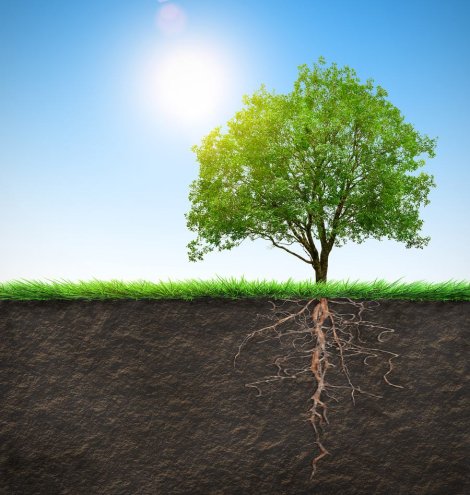
Benefits of Trees Did you know trees cover nearly 40% of the country? Despite trees' many benefits, they are often overlooked and may not receive proper care. At Driscoll Tree Service, we appreciate the role of trees in the ecosystem…
Read More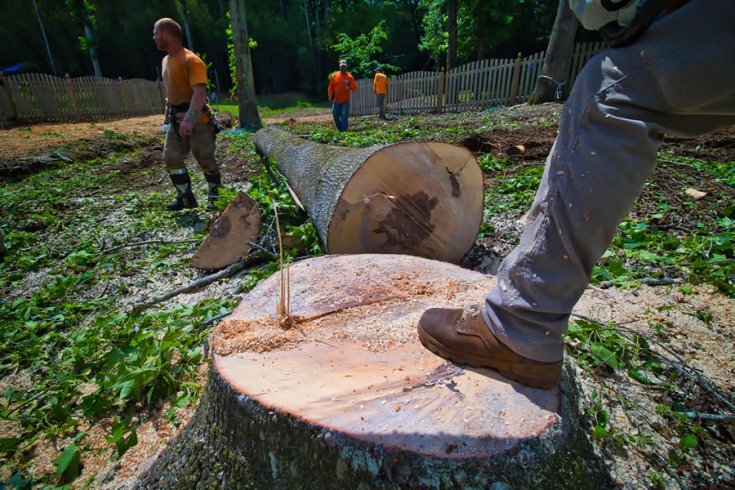
What's The Right Time of Year to Remove Trees? Trees provide a range of benefits to your property and the ecosystem. Whether it is enhancing curb appeal and giving shade or cleaning the air, the value of trees can’t be…
Read More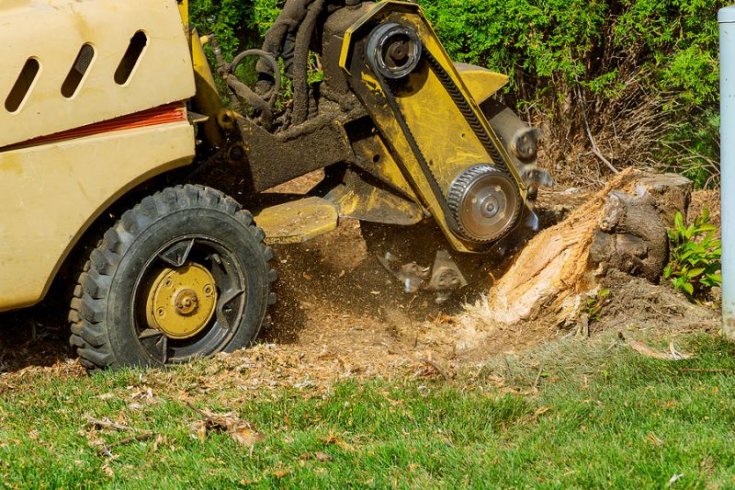
The Best Way to Remove a Tree Stump When a tree is cut down for whatever reason, the stump left behind is not just an eyesore but also a safety hazard on your premises. Waiting for the stump to decompose…
Read More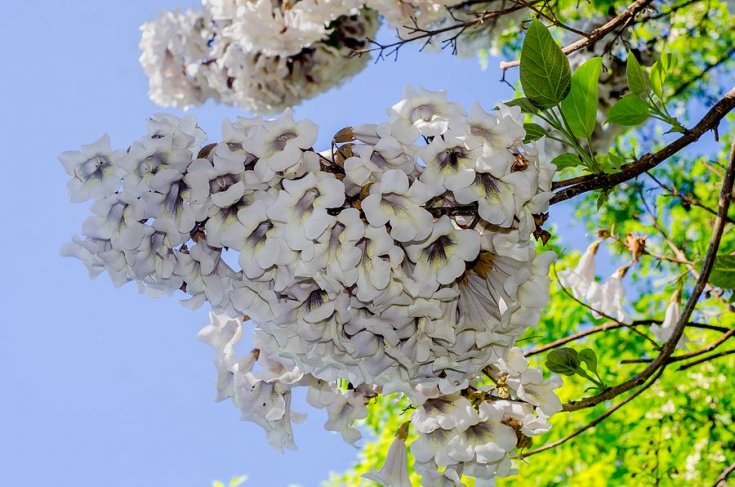
3 Types of Tree Flowers There’s nothing more spectacular than the fantastic spectrum of colors as different trees bloom. Whether you appreciate the distinct scent of blooming pine cones or despise the memory of stepping on mushy fruits, trees don’t…
Read More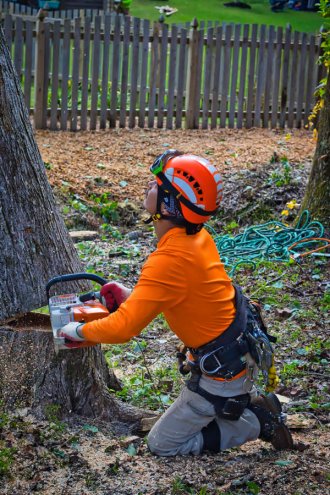
Tree Pruning: DIY vs. Hiring a Professional Trees rarely need any maintenance in the winter because they are dormant. However, spring is around the corner and offers property owners a chance to prune trees in the backyard. It is advisable…
Read More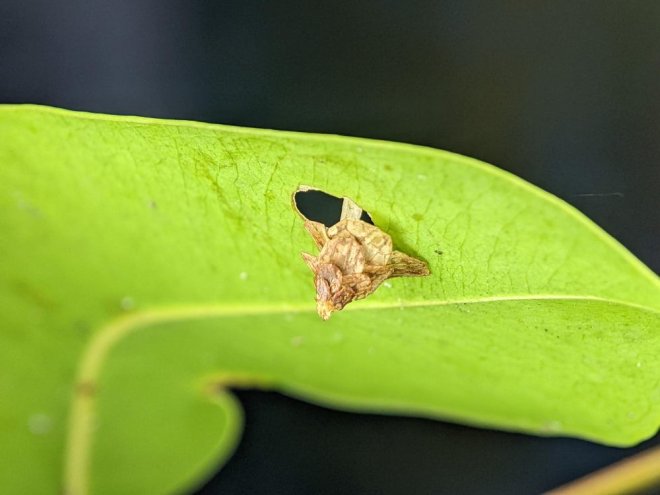
The Hidden Dangers of Bagworms Bagworms are a type of moth larvae that can wreak havoc on trees and shrubs, causing severe damage and premature tree removal projects. Despite their small size and discreet appearance, these pests pose hidden dangers…
Read More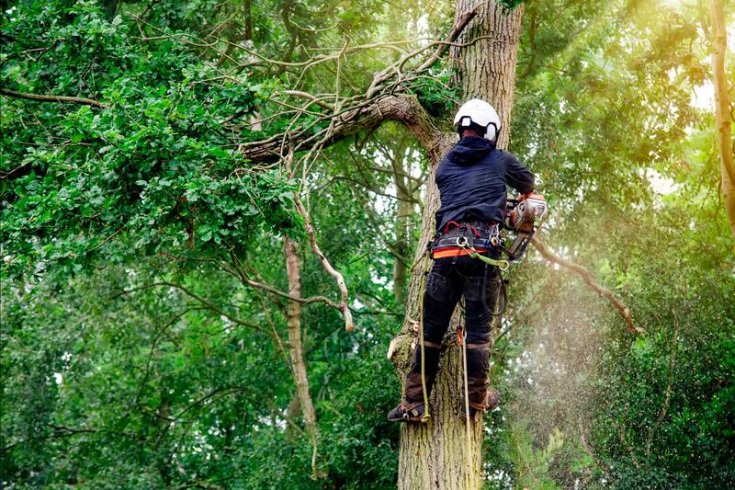
Eco-Friendly Tree Services: What to Look For We might forget it at times, but trees are more than landscape fixtures; they anchor ecosystems, regulate temperature, improve air quality, and, frankly, increase property value over time. So, when it comes time…
Read More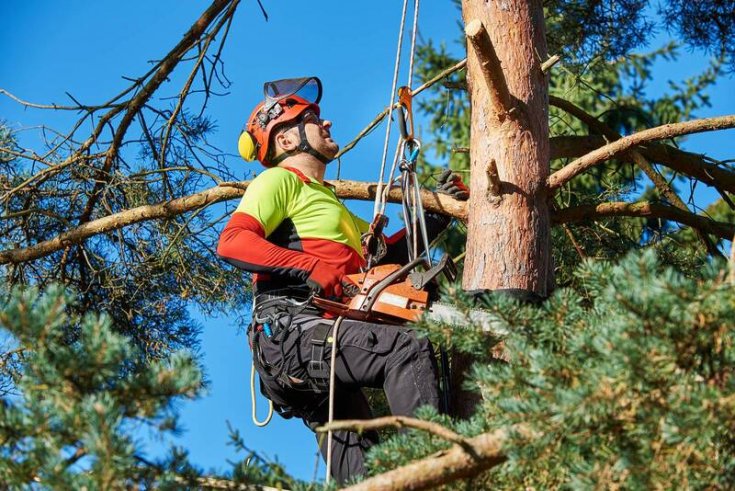
6 Tree Pruning Tools Pros Use When caring for your trees, there is no room for compromise. Professional arborists understand the importance of using the right tools for the job. Whether it’s trimming branches for aesthetics or maintaining the health…
Read More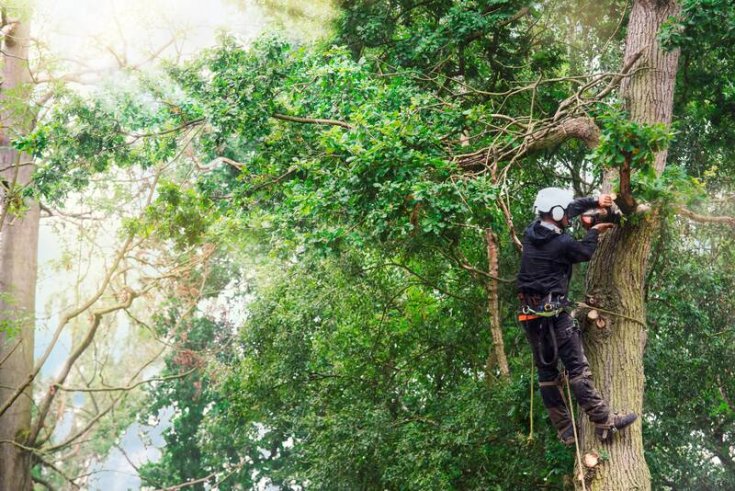
Why Dead Trees Should Be Removed Immediately Dead trees are not always easy to identify, but one thing is for certain: They ought to be removed as soon as possible. A dead tree not only poses the risk of falling…
Read More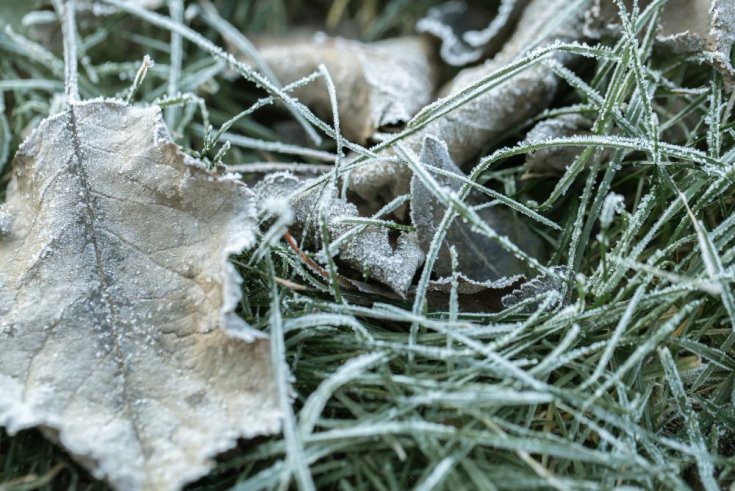
Protecting Trees from Freeze-Damage As winter approaches, one of the primary concerns for homeowners and garden enthusiasts is protecting their trees from freeze damage. Cold temperatures, frost, and freezing conditions can cause irreparable harm and costly tree removal emergencies. As…
Read More