Menu
Menu
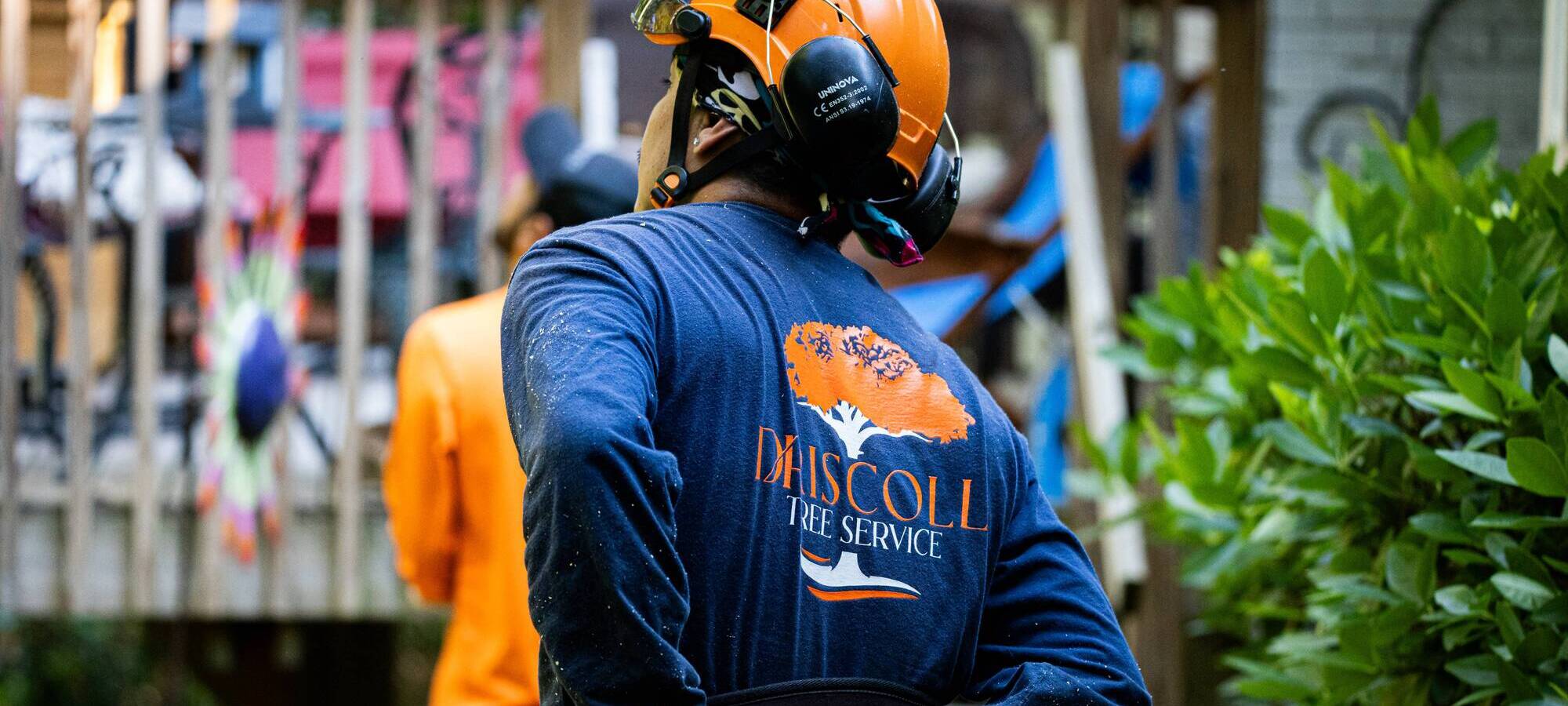

Great job they removed a big tree stump on our property with no problem and at a better price than the others guys wanted to charge us. Driscoll Tree Service team was on time and had the right equipment and got right to work.
Efficient, Affordable, and Professional what more can you ask for in a company. I had a big tree in my yard that needed to be cut down. From the estimate from Michael and the actual job being performed by his crew, everything was satisfactory. Including the clean-up. They’re also licensed and insured so that made selecting for the job even more comfortable. I highly recommend Driscoll Tree Service for your tree removal.
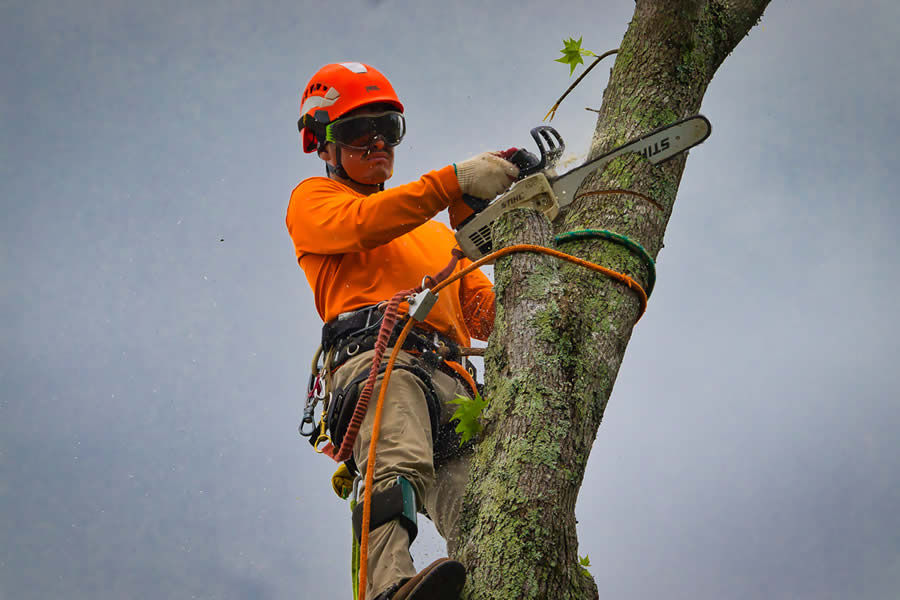
A well-maintained roof is crucial for any home, as it protects against the weather and maintains structural integrity. While trees can enhance property beauty and value, if they grow close to your roof, they can cause damage and costly repairs. At the Driscoll Tree Service, we can help you handle trees around your home to extend your roof’s lifespan without breaking the bank. Here are essential tips to consider if you want your roof to go the distance.
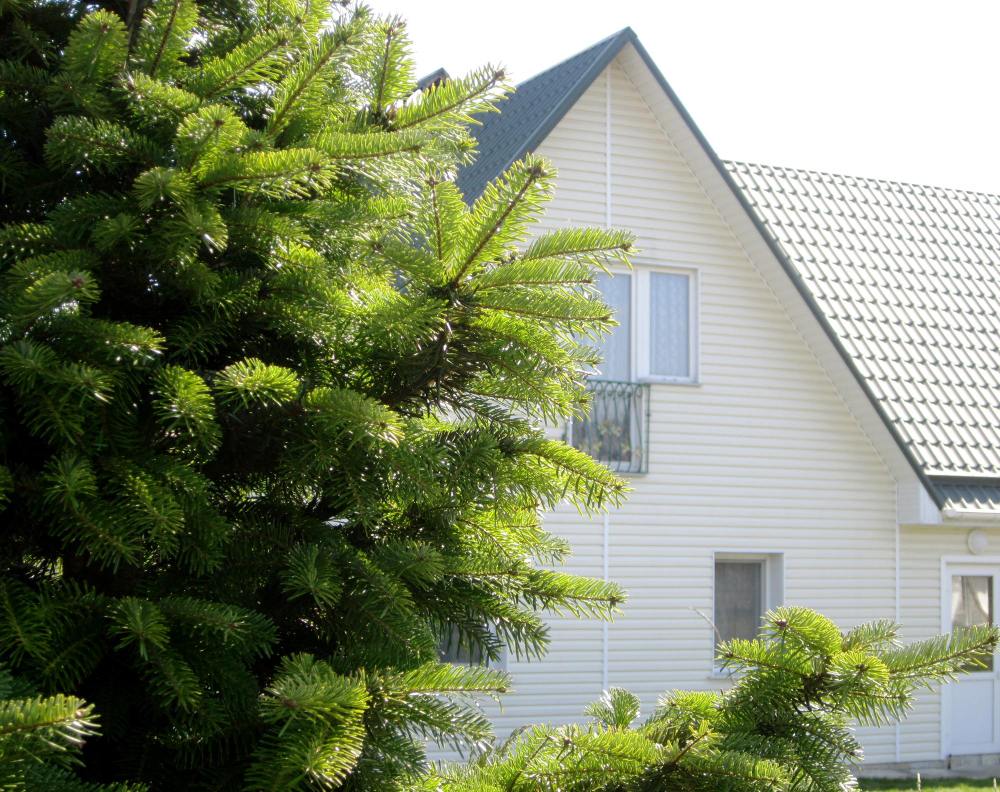
The simplest way to protect your roof is by hiring a tree care company to trim branches that grow close to or hang over the roof. If branches brush against shingles or roofing materials during storms, they can cause wear and tear. Arborists recommend trimming back branches to prevent them from scratching or puncturing the roof, reducing the risk of broken limbs falling and causing damage. For DIYers, trim far enough that the branches won’t grow close to the roof again for at least a year.
Dead or dying trees near your home pose a significant risk to your roof’s health. If you notice weak or decaying branches, remove them quickly to prevent breaking in strong winds or during storms. In addition, a fully dead tree could eventually fall if not addressed, damaging your roof and other parts of your home. The most effective solution to prevent these hazards is to schedule regular inspections with a professional tree service. Unlike DIY enthusiasts, arborists can detect the slightest signs of decay or weakness, ensuring trees growing close to your house don’t wreak havoc.
Trees shed leaves, small branches, seeds, and other debris, which can accumulate on your roof and in your gutters. If left unchecked, this debris can trap moisture, causing deterioration over time. In addition, accumulated leaves can clog gutters, causing water overflow, roof damage, and structural deterioration. Routine roof cleaning and gutter maintenance can prevent debris buildup and extend your roof’s life by allowing proper water drainage.
Trees provide shade, creating an ideal environment for moss and algae to grow on your roof. While shade can keep your home cool, too much can cause dampness, encouraging moss growth that can damage shingles and degrade the roof surface. You can help prevent this by hiring a tree service provider to trim branches, allowing more sunlight onto your roof. Also, professionals can treat any existing moss or algae with effective cleaning solutions, preventing severe damage and ultimately tree removal.
When planting new trees or considering landscaping changes, it’s important to select tree species that are less likely to cause roof problems. Consult a reputable tree care company to avoid suitable fast-growing trees with large branches, as they are more likely to drop debris and risk roof damage in adverse weather. It is advisable to opt for smaller trees that don’t produce excessive foliage or fruit, and plant them at a safe distance from the house. Working with professionals can help you select species that complement your home without risking roof damage, costly repairs, and unplanned tree removal emergencies in Snellville.
Trees provide shade, beauty, and add character to your home. However, they can also pose challenges for your roof. By following these tips, you can extend the lifespan of your roof without breaking the bank. Contact us at the Driscoll Tree Service and schedule a consultation with our arborists to enjoy the beauty of nature and the security of a well-maintained roof for many years.
How Proper Tree Care Can Support Wildlife Trees are magnificent additions to any landscape and the environment. Like most living things, proper care and maintenance go a long way to enhance aesthetics, health, and longevity. A healthy tree provides shelter…
Read More
The Best Way to Water Trees Trees are silent giants in our environment that require proper care to thrive. One of the most crucial aspects of their care is watering. Watering trees may seem straightforward, but some specific methods and…
Read More
If you’ve ever stood in your yard and looked up at a big ole tree, then you know the mix of feelings it can stir. On one hand, that tree has probably given your home shade, beauty, and maybe even…
Read More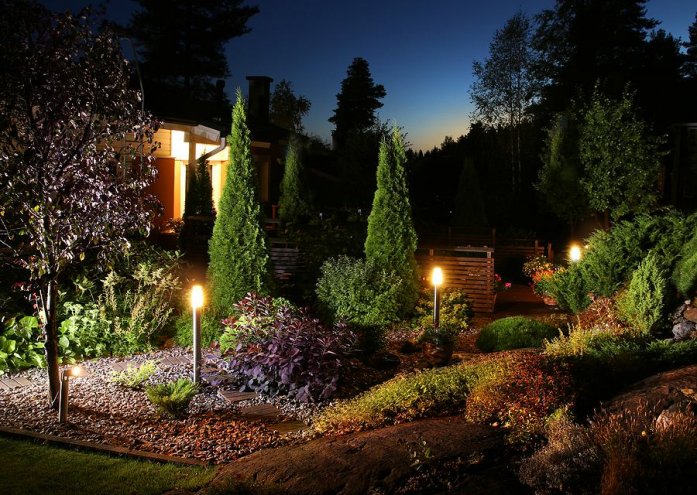
How to Keep Your Trees Healthy Keeping trees healthy is not just essential for the aesthetics and safety of your landscape but also improves the quality of the environment. However, like other living things, trees need routine care and maintenance…
Read More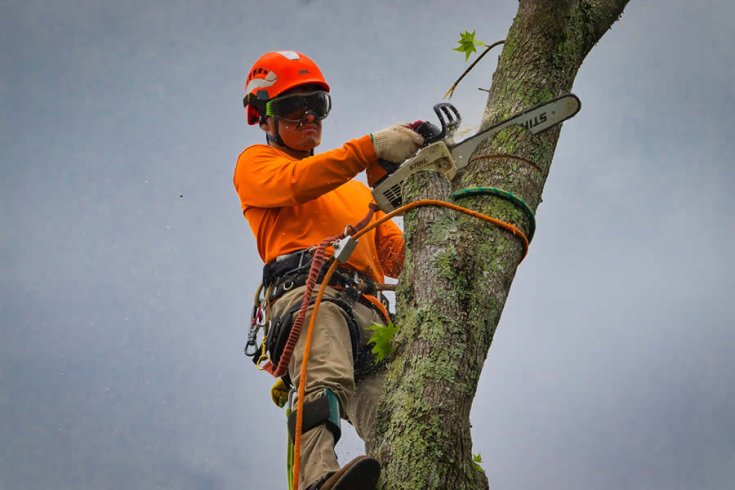
Factors to Consider When Choosing a Tree Service Company Maintaining the health and aesthetics of your trees is crucial for the safety and beauty of your property. Whether it’s pruning, trimming, or tree removal, choosing the exemplary tree service can…
Read More
What Happens If Tree Roots Freeze? Wintertime isn’t just tough on plumbing and roofing; it is also brutal on trees. Tree roots can freeze when soil temperatures drop below 15°F or the water within the soil surrounding the roots freezes…
Read More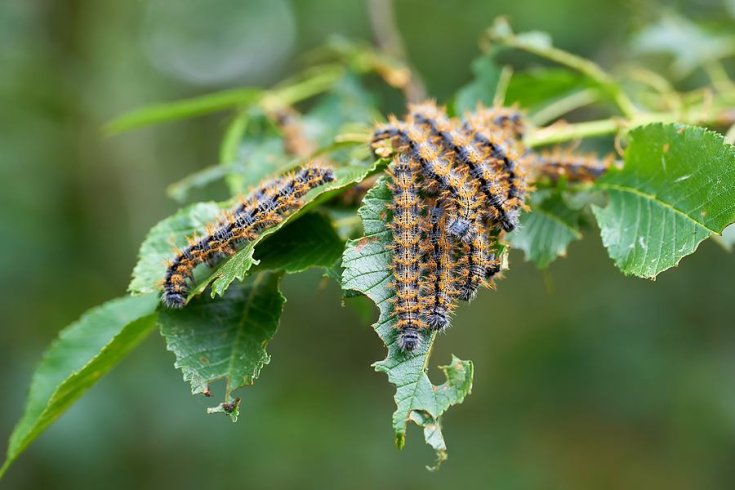
Controlling Tree Pests and Diseases Without Harming the Environment Maintaining healthy trees often entails controlling pests and diseases. With all the different ways homeowners can protect their yards, some cause more environmental damage in the long run. It is advisable…
Read More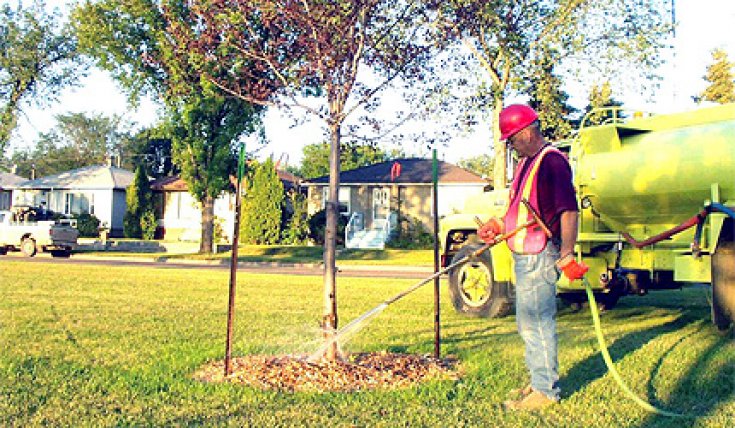
Three Signs You Are Overwatering Your Trees Are you having a problem with your trees? Driscoll Tree Service can help to inspect every tree in your yard and recommend solutions to maintain healthy and robust trees. A common tree problem…
Read More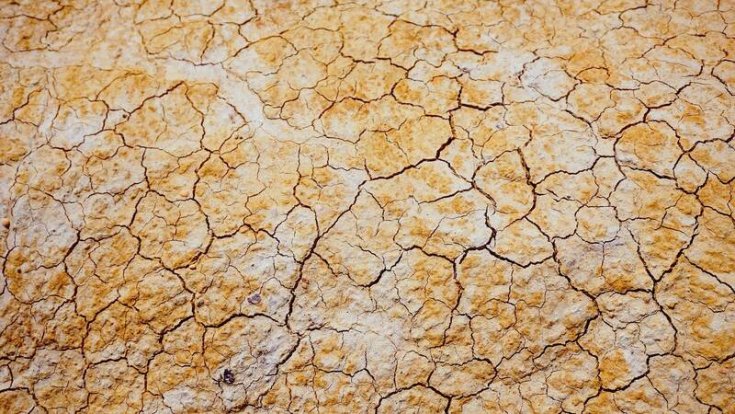
How Does Drought Affect Trees? Drought is a prolonged deficit between water supply and demand. This means long-term conditions of increased demand without sufficient water supply cause drought. With the rise of global warming and climate change, many parts of…
Read More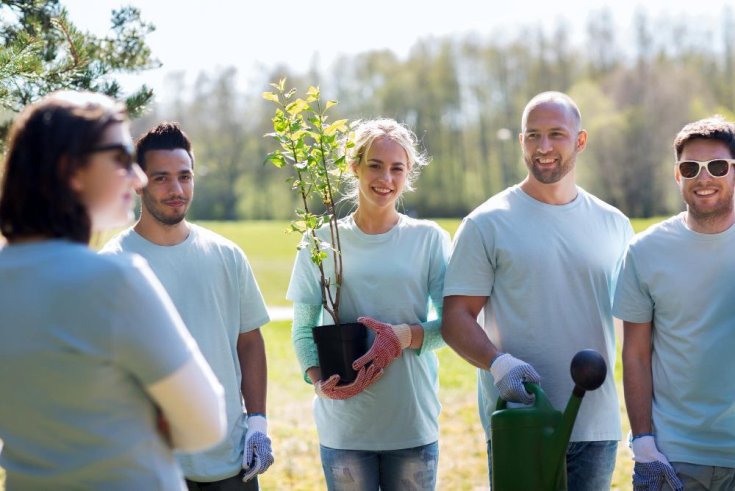
Why Trees Are So Important to Your Community As Arbor Day approaches, it reminds us of the significance of trees in our communities. Besides aesthetic appeal, trees are vital in enhancing the quality of life for humans and wildlife. From…
Read More