Menu
Menu
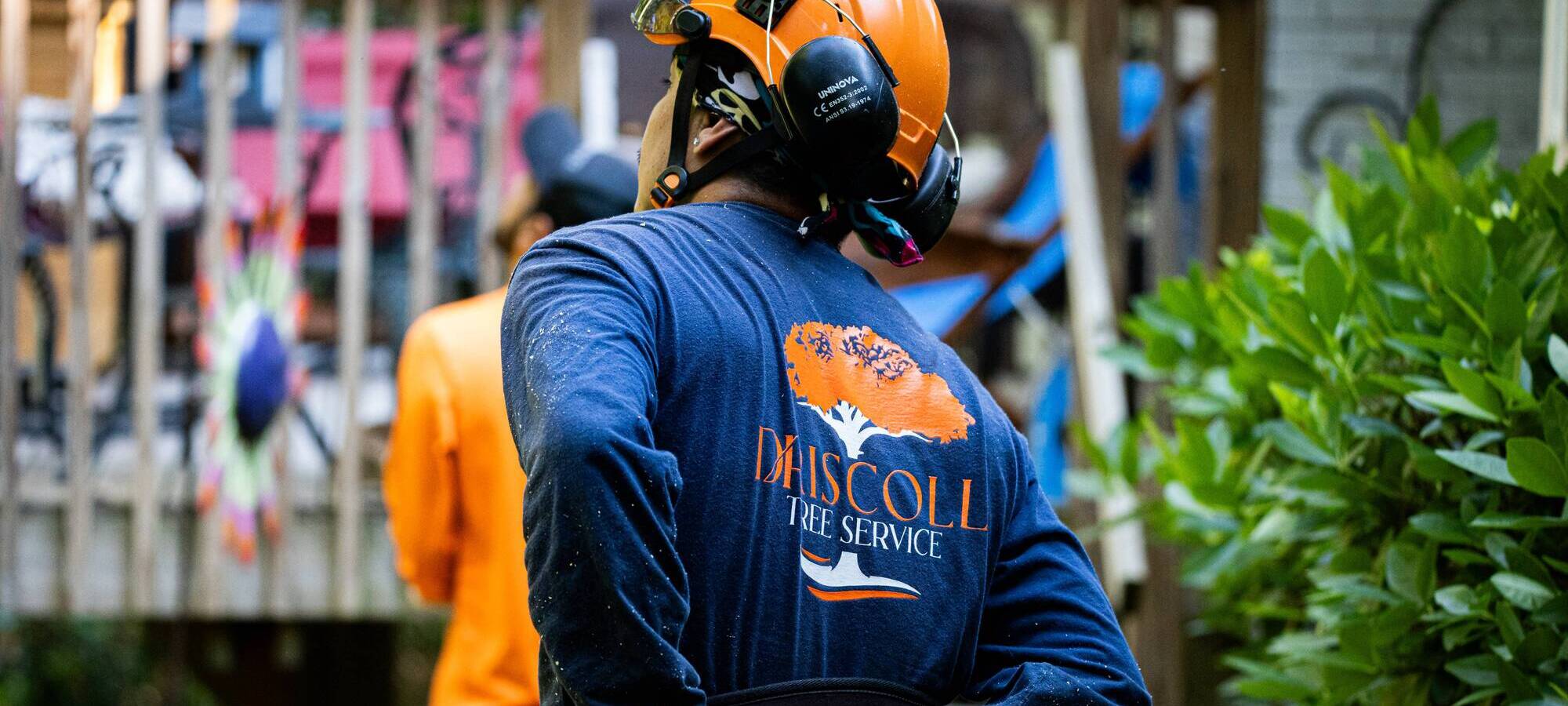

Efficient, Affordable, and Professional what more can you ask for in a company. I had a big tree in my yard that needed to be cut down. From the estimate from Michael and the actual job being performed by his crew, everything was satisfactory. Including the clean-up. They’re also licensed and insured so that made selecting for the job even more comfortable. I highly recommend Driscoll Tree Service for your tree removal.
I was very impressed with how quickly and professionally they worked. They were in and out in an afternoon. They had to remove a giant Red Oak, and did so with great skill and speed. Their price is very affordable and beats out most of the competition around. I highly recommend Driscoll Tree Service. We will use them again for all of our future tree removal needs! Seriously, give them a call. They are awesome!
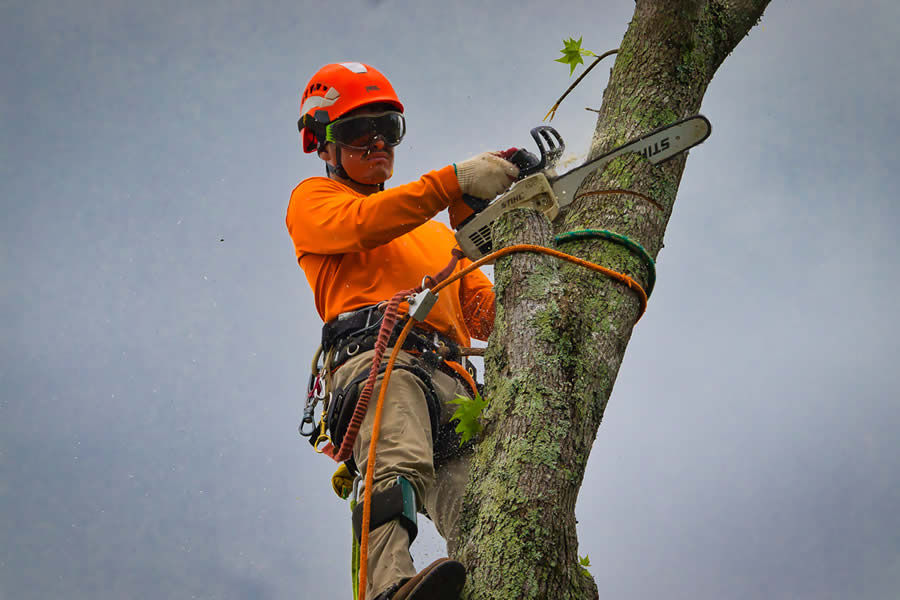
As a property owner, protecting your trees is a top priority if you want safety, aesthetics, and functionality. The last thing you want are potentially hazardous trees causing property damage and injuries down the line. However, identifying dangerous trees may not be straightforward, especially if you don’t have the skills and expertise required. That’s where Driscoll Tree Service comes in as your trusted tree company for advice and guidance. Our licensed arborists engage with you throughout to help you determine if your yard is safe and implement tailored tree services in Atlanta, GA to restore health and safety for years to come.
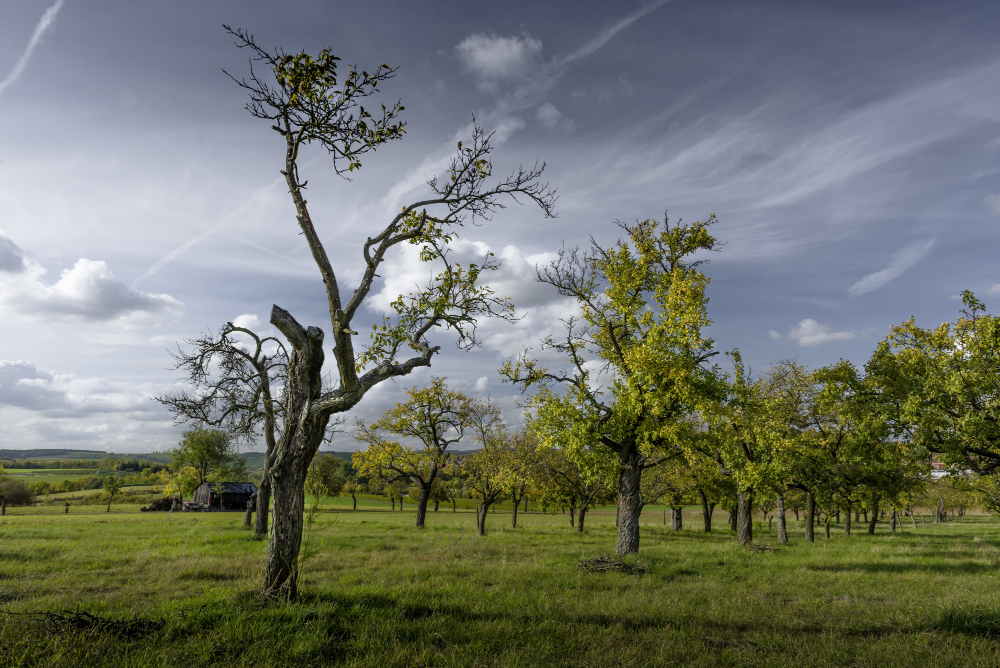
Trees play a crucial role in enhancing the quality of our landscapes and the environment. However, these magnificent entities are prone to damage, infections, infestations, and other hazardous situations that make them safety risks. Let’s delve into the warning signs you should look out for to identify dangerous trees.
If you notice a tree in your yard has developed a lean, or a leaning tree has worsened, call a professional tree company quickly. According to certified arborists and industry experts, a vertical lean of more than 15 degrees is a major hazard. Look for mounding or heaving soil on the opposite side of the lean, which indicates root failure. While a sudden lean may not raise concerns at first, delaying professional intervention can lead to property damage, injuries, and costly tree removal emergencies.
Another noticeable sign of a potentially dangerous tree in your yard is large, deep splits, cracks, or hollow cavities in the trunk or where branches meet. A damaged trunk may not seem like a problem, but it indicates severe structural damage. The best option to mitigate future safety hazards is to schedule an inspection with a local tree company. Professionals can identify the root cause, assess the extent of the damage, and determine the best course of action to keep your outdoor spaces safe and healthy.
Regularly inspect your trees for brittle branches with no bark or overhanging branches in the canopy. With storm season around the corner, neglecting professional intervention can lead to safety issues, property damage, or even legal action due to negligence. You can avoid these situations by working with a reputable tree service provider. Professionals provide tailored tree trimming and pruning, preparing your yard for harsh weather conditions.
Now that you know what to look for in a potentially hazardous tree, it is essential to also know what to look for in a healthy tree. One of the most obvious indicators of a healthy tree is a full bark without large missing sections or peeling. If the entire bark is intact and the canopy has consistent, vibrant foliage, your tree is in top condition.
As mentioned, structural damage is a red flag you shouldn’t ignore. However, routine trimming can ensure securely attached branches, with no signs of split crotches. A trunk that is solid with no cavities, large mushrooms near the base, or oozing sap is a welcome sight in any backyard, as it suggests proper care and good health.
If you notice any of the warning signs mentioned, consult a professional tree service provider to get ahead of potential hazards. Keep an eye out for large tree cavities, sudden leaning, severe storm damage, and other noticeable indicators of damage. Contact Driscoll Tree Service today and schedule an inspection with our certified arborist. We provide comprehensive services, including tree removal, addressing all your needs without breaking the bank.
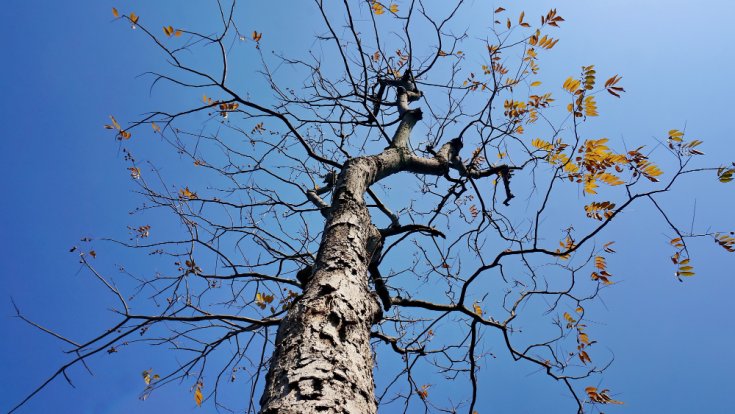
Cracks, Rot, and Weak Branches: When to Call a Tree Service Trees are magnificent entities that provide numerous benefits to our landscapes and the environment. From adding shade and beauty to purifying the air we breathe, we rely on trees…
Read More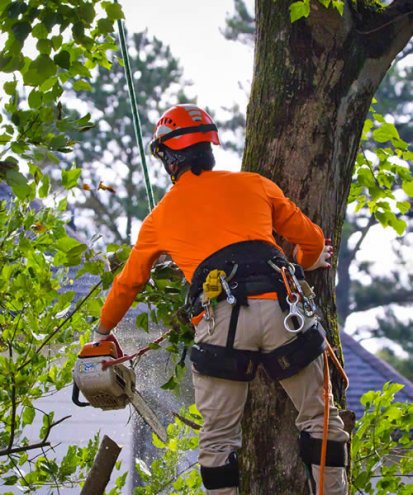
Basics of Tree Pruning Trees play a vital role in the ecosystem, from improving landscape appeal to purifying the air. Routine care is essential to improve tree health and longevity, like most living things. Pruning is one of the most…
Read More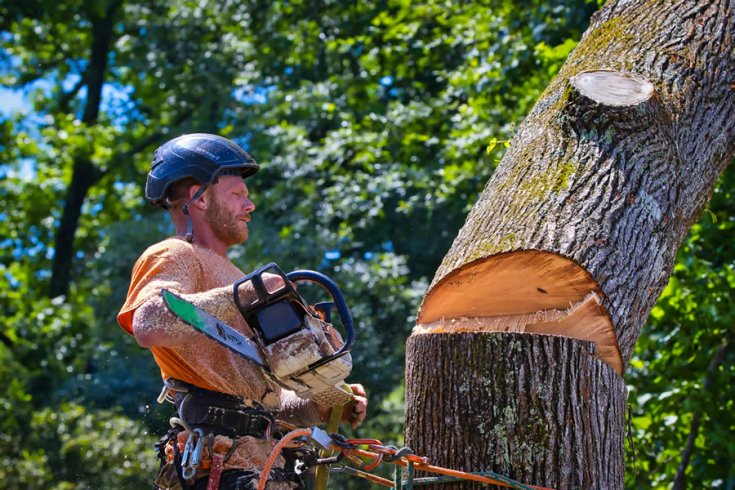
4 Situations That Require a Tree Removal Service Trees are a valuable addition to any landscape and play a vital role in the ecosystem. There are many benefits we get from trees, such as shade, curb appeal, and comfort, among…
Read More.jpg)
How to Manage Fallen Tree Leaves in Your Yard We've got all four seasons here in the Metro Atlanta area, but the seasons like to blur their lines. One minute it’s spring; the next it’s 90 degrees with a chance…
Read More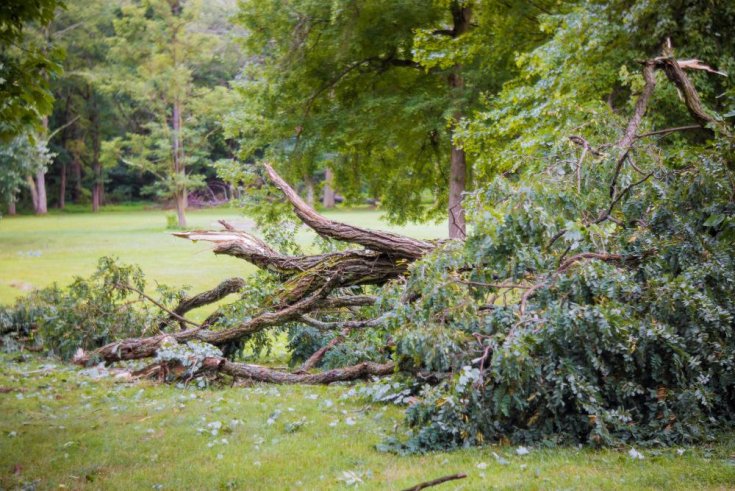
Who is Responsible for a Fallen Tree? Healthy and well-cared-for trees can be a valuable asset to your property, enhancing its beauty and value. However, the natural world can sometimes be unpredictable, and when a tree or large branch falls,…
Read More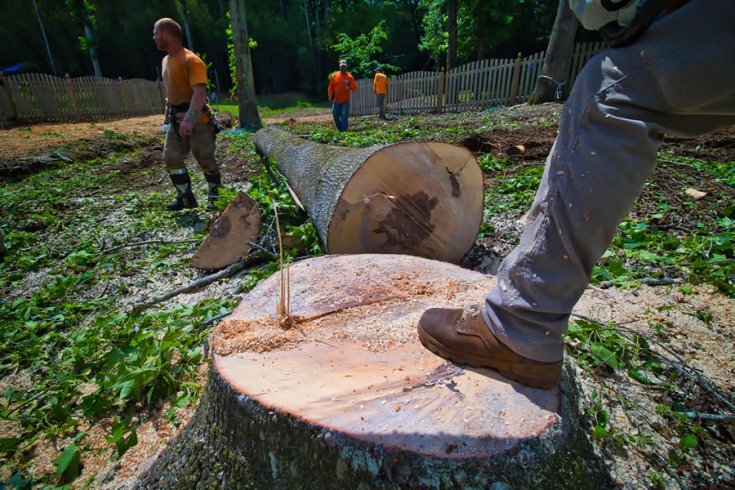
What's The Right Time of Year to Remove Trees? Trees provide a range of benefits to your property and the ecosystem. Whether it is enhancing curb appeal and giving shade or cleaning the air, the value of trees can’t be…
Read More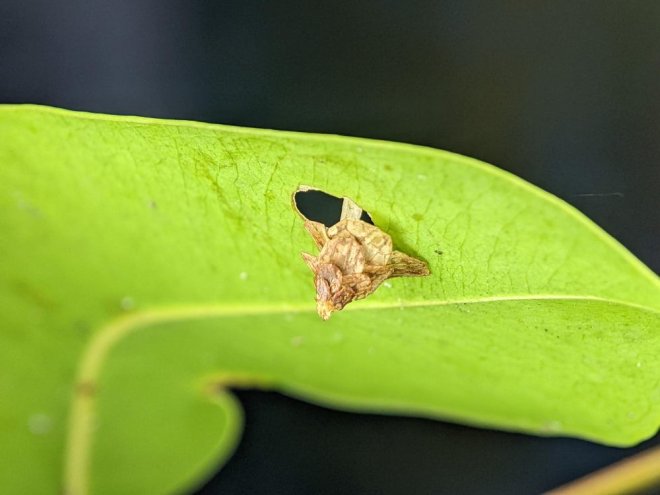
The Hidden Dangers of Bagworms Bagworms are a type of moth larvae that can wreak havoc on trees and shrubs, causing severe damage and premature tree removal projects. Despite their small size and discreet appearance, these pests pose hidden dangers…
Read More
Why Leaves Change Color in the Fall As fall nears, property owners need to understand why leaves change color. Chlorophyll, a green pigment found in algae, plants, and cyanobacteria, plays an essential role in photosynthesis, allowing plants to absorb energy…
Read More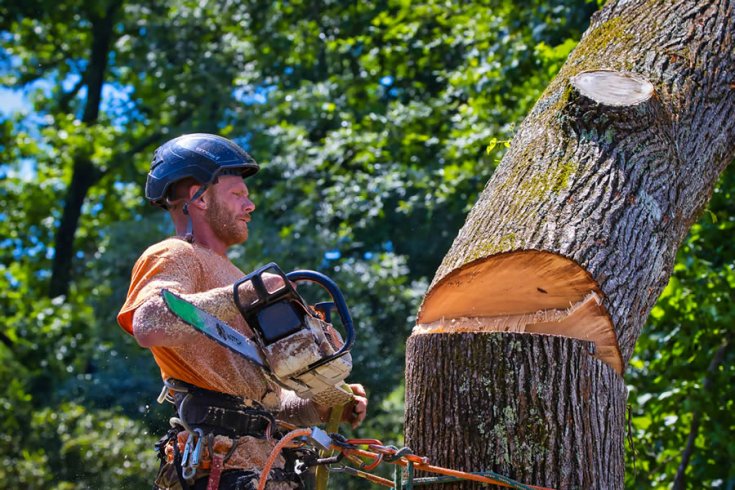
How to Prevent Tree Hazards Tree failure is a tree's breakdown from various problems. All trees are vulnerable to problems, even healthy trees. Careful inspection of your trees can allow you to identify any potential hazards and possible treatments. Driscoll…
Read More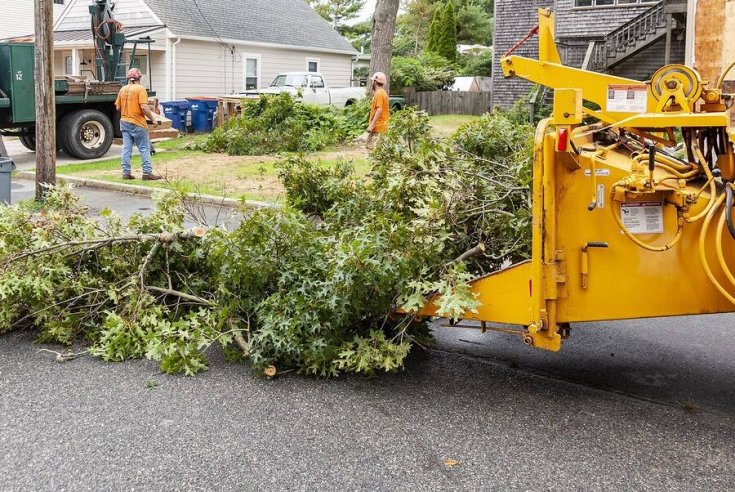
Guide to Tree Removal Insurance When a tree falls in the forest, it is nobody’s problem. However, the repercussions can be dire if a tree falls on your property. Storms and strong winds often cause tree-related damage, especially if the…
Read More