Menu
Menu
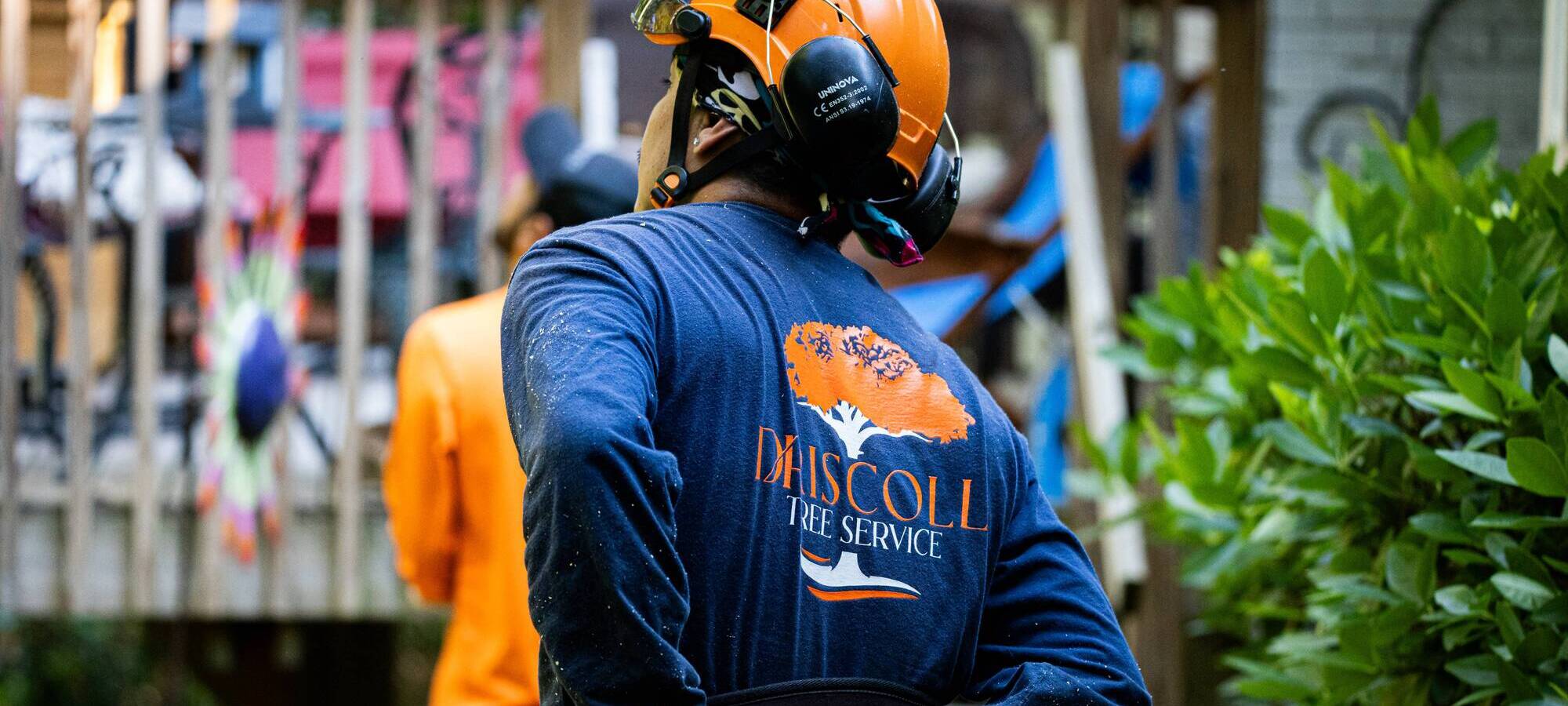

This is the second time using Driscoll, and we are pleased with the service. Michael is knowledgeable and punctual. We had eight trees trimmed, and they left no traces of the work in our yard. Polite workers. Reasonably priced as well. Highly recommend.
We called to have two large pine trees removed since they were in the way of where we needed to put our fence. We are slackers and always wait until the last minute to do anything so of course, we tried to find someone that could take these out quickly as we needed it done ASAP. These guys came out the same day I called and were able to get them out the next day. I was so impressed by how nice and professional they are, it’s nearly impossible to get anyone to come out and/or follow up with anything so it was extremely refreshing that they did both without me having to call and ask what the hold up was. I will forever use this company for future needs. Thank you again!!
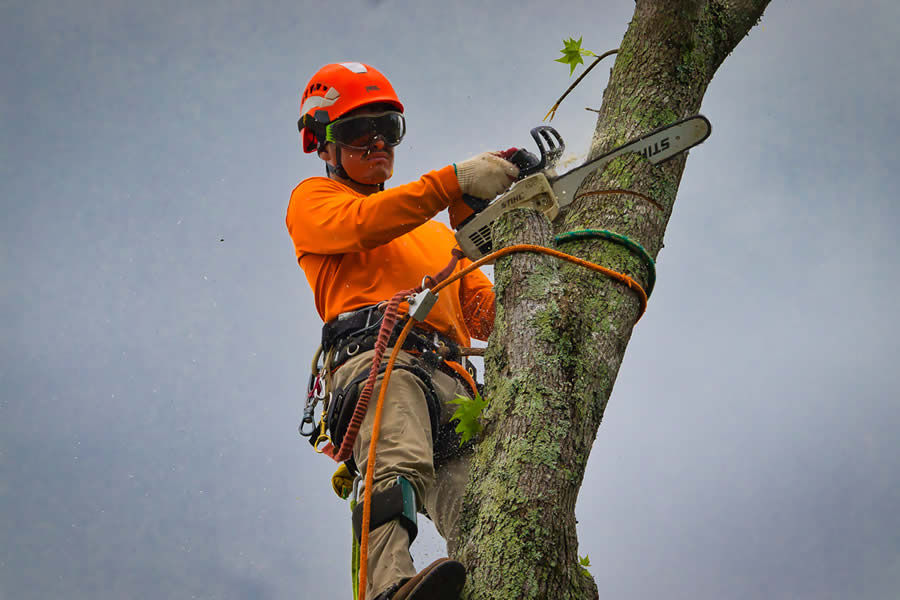
Tree failure is a tree's breakdown from various problems. All trees are vulnerable to problems, even healthy trees. Careful inspection of your trees can allow you to identify any potential hazards and possible treatments. Driscoll Tree Service provides professional tree services for both residential and commercial properties.
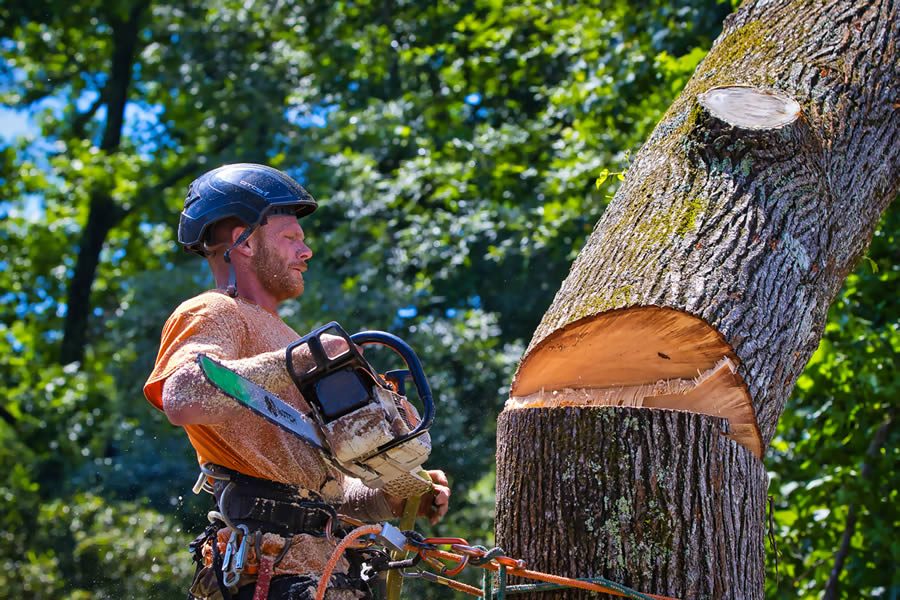
A tree failure occurs when a tree trunk splits or breaks into two pieces. Several factors can cause this:
Trees are beautiful and beneficial to any property. They provide shade, add beauty and value to the property, and provide a peaceful respite from daily life. However, trees can also be dangerous if they fall or fail.
Several hazards may result from tree failure:
Some tree issues can be corrected with proper care and maintenance. The first step to preventing tree hazards is to know what you are looking for.
Mushrooms are the fruiting bodies of certain fungi that grow on trees. They can appear anywhere on a tree, including its trunk, branches, or leaves. They're usually brown or white, with a stem and cap, and the stems may be short or long and fibrous.
Fungus is also standard on trees. It's a plant disease caused by microscopic organisms such as molds and yeasts that feed on decaying matter. Fungal infections can cause spots on leaves or stems or spread throughout the plant, causing large areas of dead tissue. Some fungi attack trees when stressed by environmental factors like drought, insects, or disease. Others attack healthy plants through open wounds in the bark caused by pruning or broken branches.
If you notice that the roots of your tree are coming out of the ground and lifting the soil, this may be an indication that your tree needs more water or fertilizer. It might also be a sign of root rot which can cause further damage to your tree's health and stability. If there is no noticeable damage to the trunk, it may only be an issue with the roots.
When a tree sheds its bark or sawdust-like material, it could mean something wrong with your tree's health. This could be due to disease or pests like beetles or mites eating away at the bark or wood inside the tree's trunk. It could also mean that there were some issues during pruning that caused this damage to occur.
Large cavities are holes in the trunk of a tree that are greater than one inch in diameter. Large cavities can be caused by decay, fungi, insects, or disease, and they may also be caused by impact from vehicles, lawn mowers, and other machinery. Large cavities can weaken the tree's structure and make it more susceptible to failure during storms or high winds.
Nesting cavities are holes that have been enlarged by small animals such as squirrels or raccoons. These animals will enlarge these holes for shelter or food storage purposes. While nesting cavities do not threaten the tree's health, they may allow for entry points for insects and diseases, which can lead to other problems for your trees.
The connection between two limbs is referred to as a union. Tree limb unions that are split, cracked, or sunken should be evaluated by a professional arborist who can determine if they need to be repaired immediately or if they can wait until spring when there is less risk of further damage occurring with high winds and rainstorms.
A tree leaning toward your house could be damaged by wind or snow or topple over during a storm. If the leaning tree is large enough that it might cause damage to your home if it falls, you should call in an arborist or other tree expert to evaluate the situation and provide advice on what action to take.
If your tree has unhealthy branches that could snap off in high winds or storms, trim them off, so they don't become hazards later. Ensure you cut away from anything else around the tree so no debris will fall on someone below.
Tree leaves provide shade and beauty — but they also block sunlight from reaching the plants below them. If leaves on your trees have dropped from higher up, rake them out of the way so plant growth can continue below the canopy level of the trees.
If your tree is damaged or diseased, hire a professional from Driscoll Tree Service. We are trained to identify whether a tree is damaged and what treatment options are available. Our professional tree services and tree care company can guide you to your specific tree concerns.
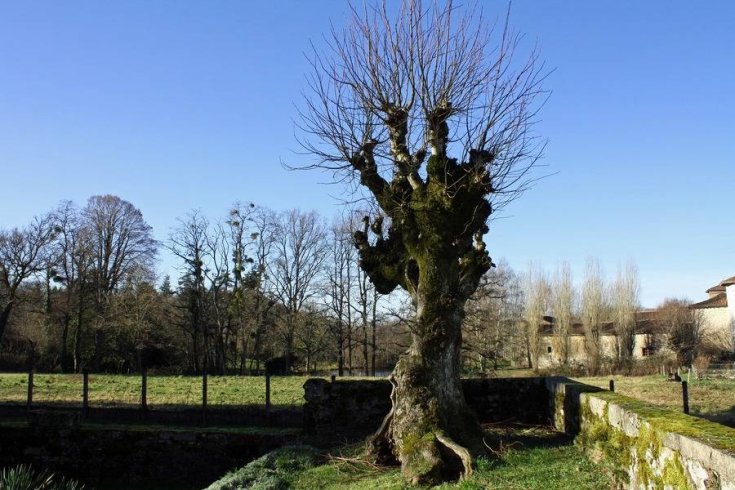
Why My Trees Look Bad Trees are alive and need regular care. Like most living things, they can get injuries or diseases. While it is not always easy to identify signs of infection or infestation in trees, you may have…
Read More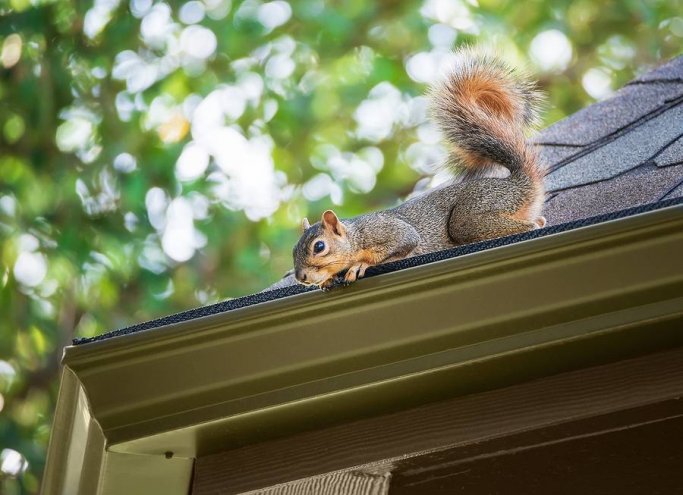
4 Tree Pests to Look Out for this Fall As the leaves change color and a crisp breeze fills the air, fall shifts the natural world. However, not just the season’s beauty capture our attention. With the changing weather, certain…
Read More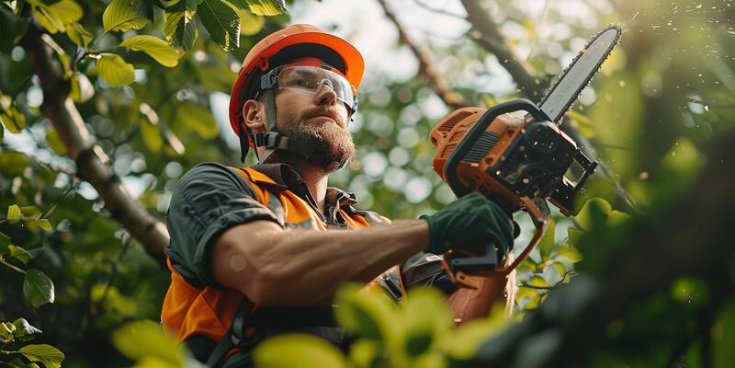
What Questions Should I Ask a Tree Service Company? Mature trees do more than make a yard look good. They also provide shade, improve air quality, and in some cases even produce fruit. They can also boost property value by…
Read More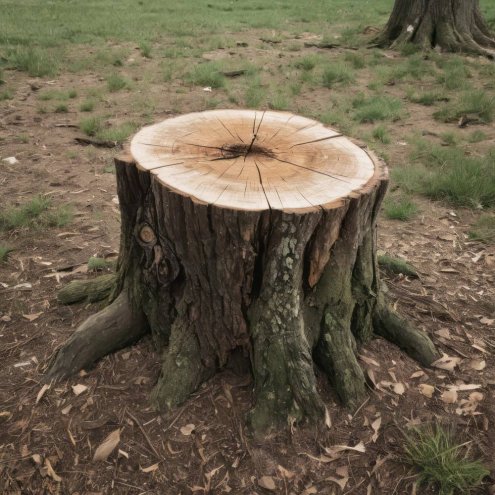
Can a Tree Grow Back from a Stump? When a tree is cut down, many assume that’s the end of its life. However, nature has a remarkable way of surprising us. Under the right conditions, a tree can grow back,…
Read More
Essential Tree Care Tips for Every Season Trees require regular care and maintenance to thrive. However, different seasons call for specific care to prevent irreversible damage and premature tree removal emergencies. With that in mind, hiring a professional tree care…
Read More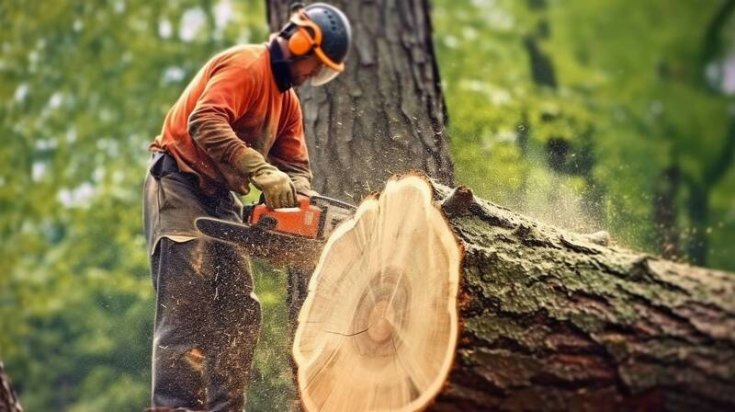
How to Effectively Remove Large Trees with Roots Large trees have vast root systems, which are crucial for proper growth and good health. While trees are magnificent entities that provide many benefits, there are times you need to remove them.…
Read More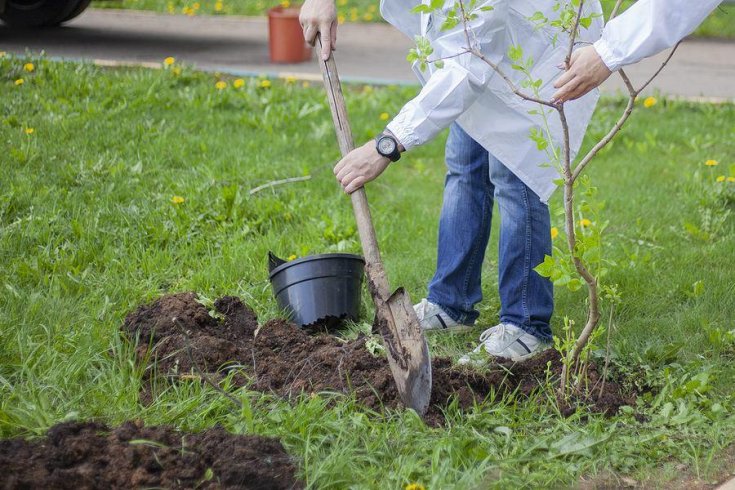
Planting Trees Properly Planting a tree is a rewarding and environmentally conscious act. However, following the proper planting techniques is essential to ensure its long-term health and growth. Here’s a helpful guide through planting a tree. As a professional and…
Read More
How Shade Trees Benefit Us As the temperature increases, many people seek refuge indoors. However, shade trees can protect you from the heat and sun, allowing you to undertake various outdoor tasks. Whether you want to grow birch or maple…
Read More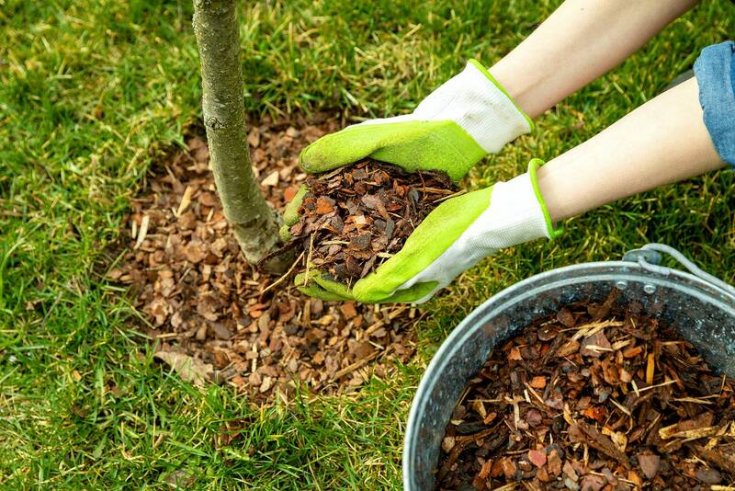
The Importance of Mulching Newly Planted Trees Regarding landscaping and gardening, the intricacies of nurturing nature’s wonders are both an art and a science. One crucial aspect that often goes unnoticed but is paramount is mulching newly planted trees. Mulch,…
Read More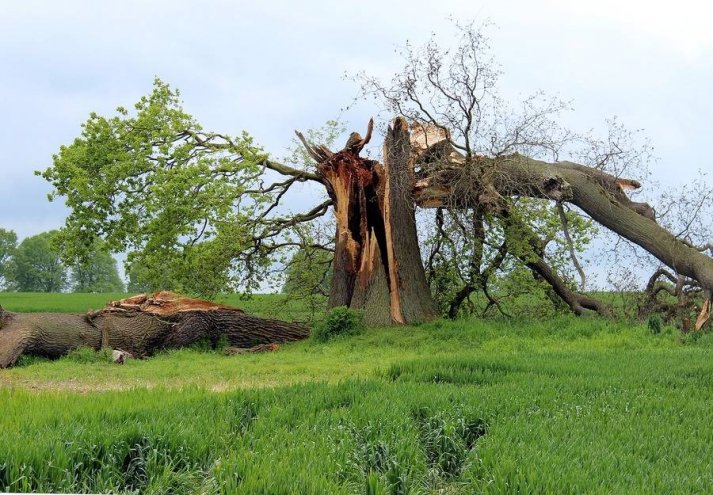
How to Save a Storm-Damaged Tree Storms strike anytime, causing significant damage to utility lines, houses, and commercial buildings. In addition, storms may damage trees, but it is often minor and results in no permanent damage. It would help if…
Read More