Menu
Menu
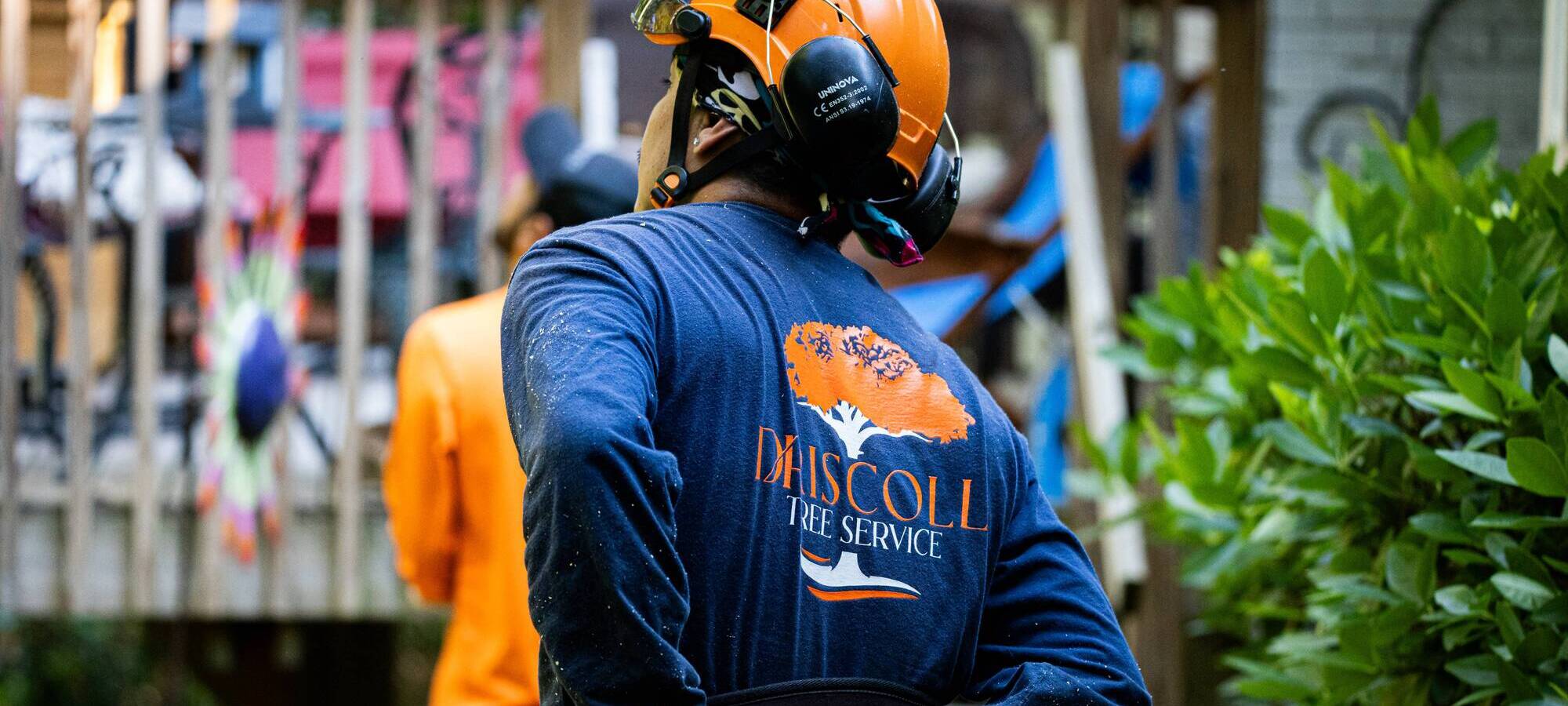

Efficient, Affordable, and Professional what more can you ask for in a company. I had a big tree in my yard that needed to be cut down. From the estimate from Michael and the actual job being performed by his crew, everything was satisfactory. Including the clean-up. They’re also licensed and insured so that made selecting for the job even more comfortable. I highly recommend Driscoll Tree Service for your tree removal.
I used Driscoll Tree Service for years in Snellville, and now we use them in Atlanta. They do an excellent job every time. Friendly and knowledgeable crew. Results are always great. Thanks, Driscoll Tree Service!
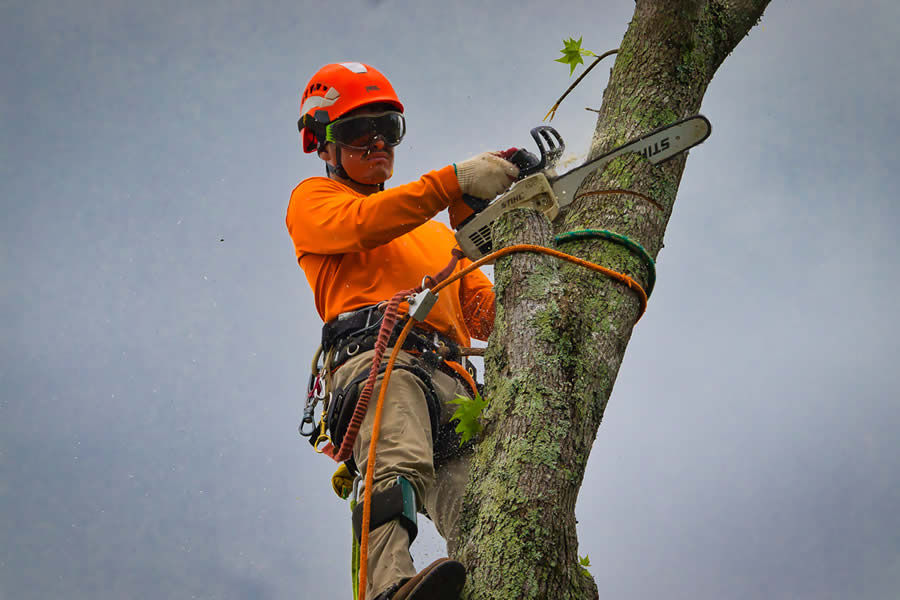
If you’ve ever stood in your yard and looked up at a big and diseased or aging tree, then you know the mix of feelings it can stir. On one hand, that tree has probably given your home shade, beauty, and countless memories. On the other hand, maybe it’s leaning toward your roof, dropping limbs in every storm, or threatening your years to come.
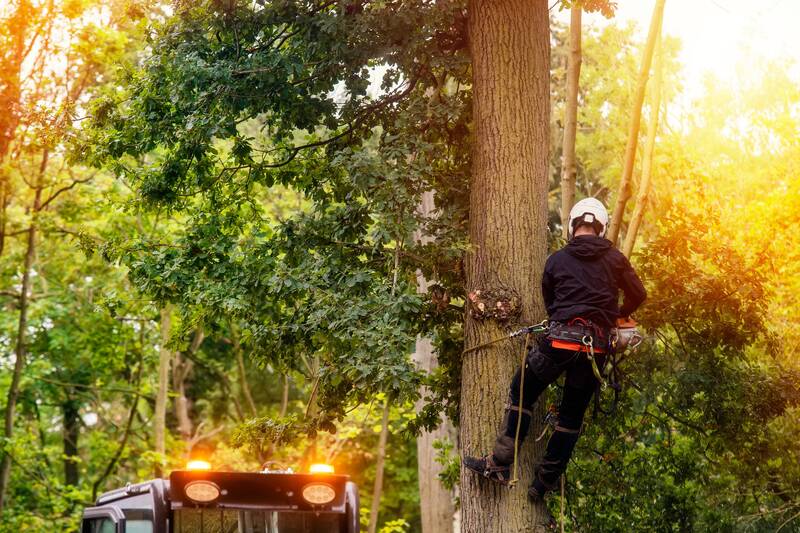
At some point, a tree removal become less of a “maybe someday” and more of a “today’s the day.” But do you pull out the chainsaw or call in the pros?
In this brief article brought to you by Driscoll Tree Service, we highlight the risks of trying to DIY a removal. In many cases, it’s simply not a viable – or legal – option.
Believe it or not, that tree might not be ‘yours’ per se. Many trees are considered part of the “urban forest” that helps keep our communities green, cool, and healthy. They improve air quality, provide shade (which is no small thing during Georgia summers), and even maintain property values.
In fact, cities like Atlanta, Decatur, and Sandy Springs have rules in place about which trees can be removed and when. Permits are designed to strike a balance between a homeowner’s needs and the community’s interest.
Even if you are permitted, a standing tree stores enormous energy. Once it’s cut, that energy releases fast… and not always in the direction that you expect.
Without professional training, it’s easy to misjudge weight distribution, internal decay, wind direction, and branch tension. The tree can very well fall sideways, split unexpectedly, or kick backward toward you. Falling limbs – darkly called “widowmakers” – are especially dangerous since they can snap loose from above without warning.
Georgia neighborhoods are filled with utility lines. If you’ve been skipping tree service like trimming and pruning, those lines may be running directly through tree canopies. Even if a branch appears far away, it can arc toward a live line once cut.
Remember, electricity can travel through branches, tools, and even the ground. You don’t have to touch the wire directly; even closeness to power lines can result in electrocution, fires, or explosions.
It’s not just falling branches and electrocution that threaten your life. Chainsaws, ladders, and unstable footing form a deadly combination. According to national safety data, tree work consistently ranks among the most dangerous occupations
Unlike other home projects, there is little margin for error when removing a tree. Common injuries include severe lacerations, crushed limbs, head and spinal injuries, and fatal blunt-force trauma.
Let’s hope you can dodge any falling branches, but roofs and fences aren’t so nimble. One miscalculation is all it takes to crush these or shatter a windshield.
To make matters worse, insurance companies often deny claims if the work was done without professional credentials. That means the repair costs come straight out of your pocket. You can be sure that replacing a roof is going to cost more than hiring a tree company in Stone Mountain.
Now, what if that tree or some branches fall on your neighbors property? Well, you’re legally liable. Without proper insurance – and even with it – homeowners can face lawsuits, denied claims, and long-term financial consequences.
Professional crews from companies like Driscoll Tree Service carry liability insurance and workers’ compensation for exactly this reason.
Professional tree removal specialists don’t just yell timber; they assess lean, load, decay, weather, soil conditions, and surrounding hazards before making a single cut. They also use specialized equipment to control the descent of limbs and trunks, and they carry insurance – just in case.
At Driscoll Tree Service, our trained crews handle even the most complex removals with precision, care, and full insurance coverage. When a tree must come down, we make sure that it happens the right way.
Still have questions or concerns? Call or message Driscoll to consult with a knowledgeable member of our team today.
Summer is winding down, the days are getting shorter, and the air will be crisp and the leaves will start falling before you know it. For tree owners, that means it’s time to think ahead. Fall is one of the…
Read More
Storm Cleanup Tree Services: What Happens After Damage Summer is a couple of months off but storm season is never far away. Strong winds, heavy rain, and lightning can strike fast and leave a big mess behind. Trees often take…
Read More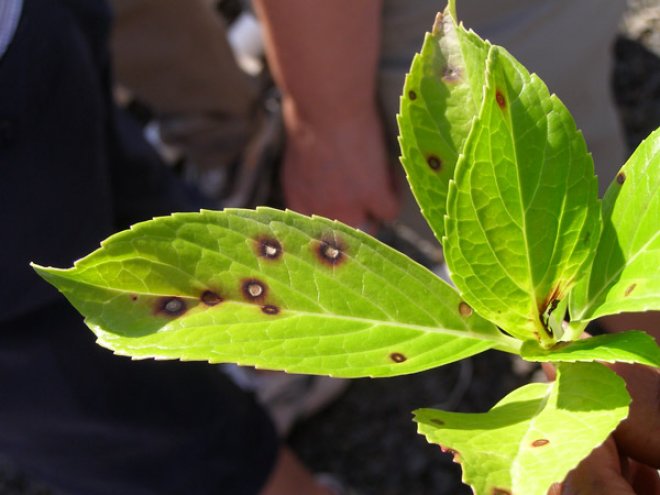
Brown or Black Spots on Tree Leaves As a homeowner, landscaping enhances curb appeal, safety, and property value. This includes scheduling routine inspections with a professional tree service provider. Trees provide many benefits to your home and the ecosystem, hence…
Read More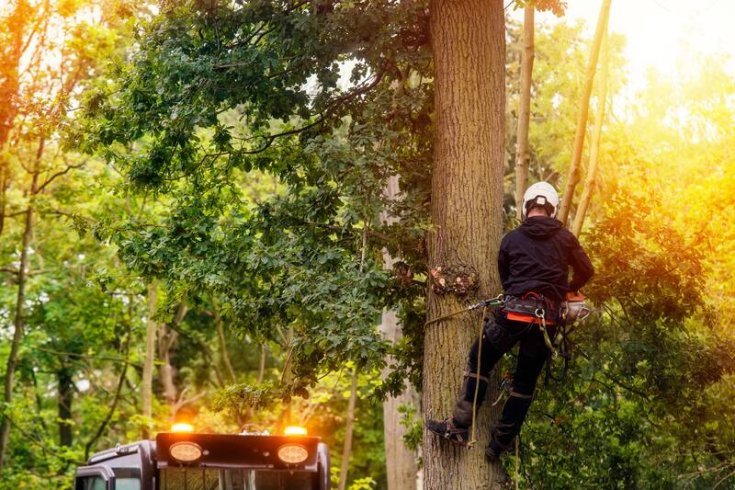
What Can Go Wrong With Untrained Tree Removal If you’ve ever stood in your yard and looked up at a big and diseased or aging tree, then you know the mix of feelings it can stir. On one hand, that…
Read More
Essential Tree Care Tips for Every Season Trees require regular care and maintenance to thrive. However, different seasons call for specific care to prevent irreversible damage and premature tree removal emergencies. With that in mind, hiring a professional tree care…
Read More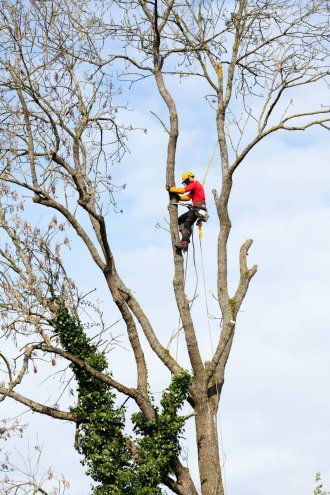
Fall Lawn and Landscape Care Tips As the vibrant colors of summer fade and fall begin to take over, it's essential to focus on lawn and landscape care. Fall is crucial for yard care as you prepare for the colder…
Read More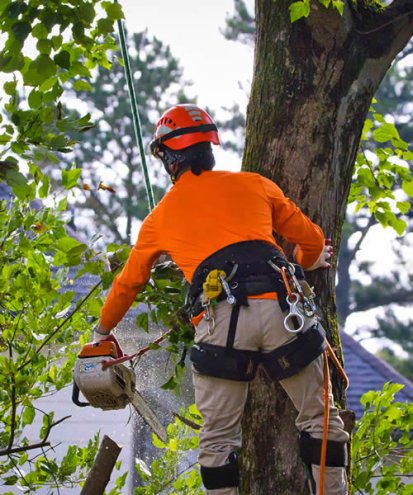
Tree Trimming Safety Tips Tree trimming is a vital aspect of landscaping and garden maintenance that helps keep trees healthy and aesthetically pleasing. However, it can also be hazardous if not done correctly, causing severe damage and premature tree removal.…
Read More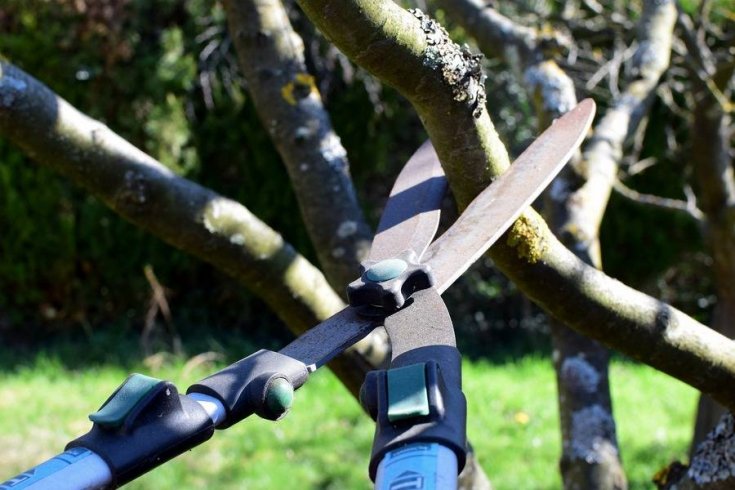
3 Commonly Used Tree Trimming Tools Trees offer many benefits, making them a valuable addition to any landscape. Like most living things, proper care is vital for growth and development, hence the need to schedule routine inspections with a professional…
Read More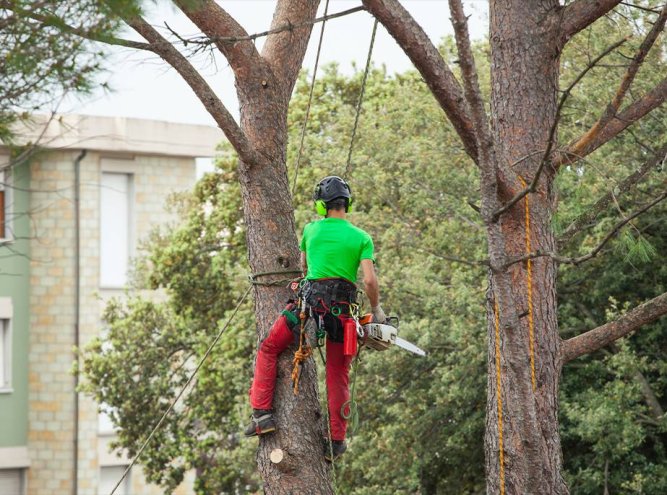
Seasonal Tree Care Tips: Summer Edition As summer kicks into full gear, trees in your yard require special attention to stay healthy and vibrant. As a trusted tree care company, Driscoll Tree Service provides routine inspections and maintenance to protect…
Read More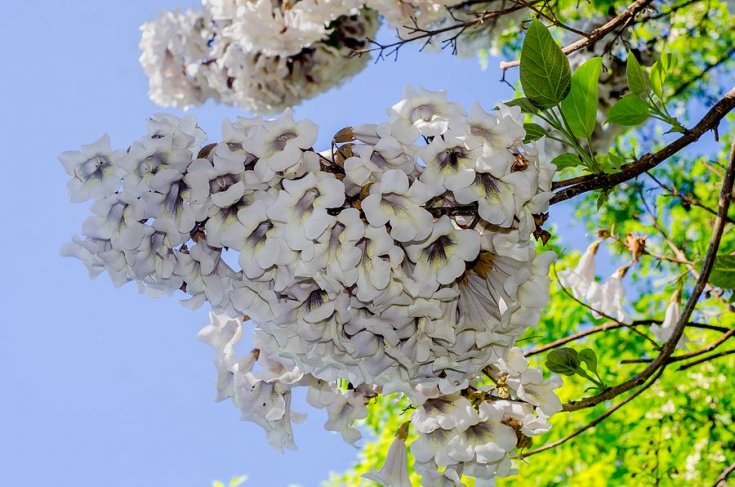
3 Types of Tree Flowers There’s nothing more spectacular than the fantastic spectrum of colors as different trees bloom. Whether you appreciate the distinct scent of blooming pine cones or despise the memory of stepping on mushy fruits, trees don’t…
Read More