Menu
Menu
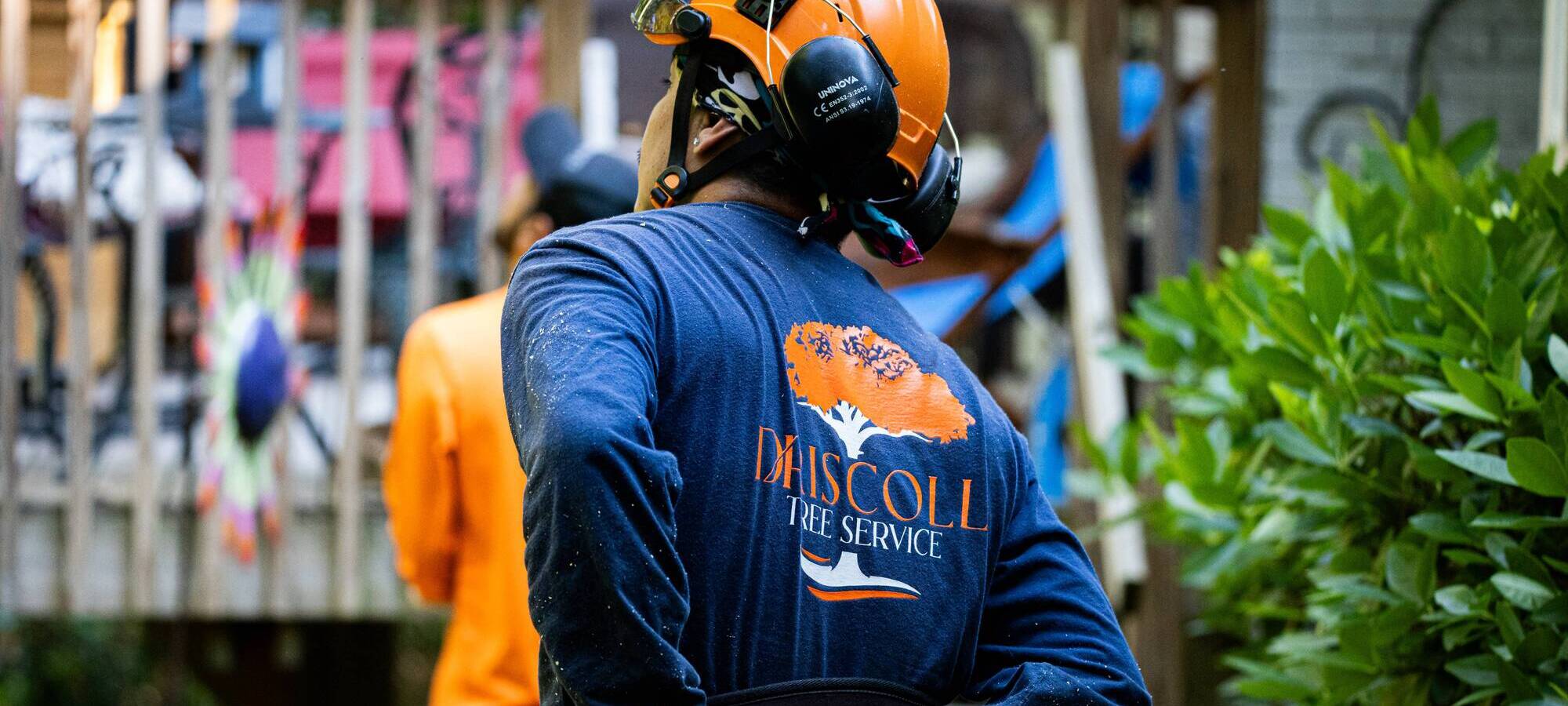

Efficient, Affordable, and Professional what more can you ask for in a company. I had a big tree in my yard that needed to be cut down. From the estimate from Michael and the actual job being performed by his crew, everything was satisfactory. Including the clean-up. They’re also licensed and insured so that made selecting for the job even more comfortable. I highly recommend Driscoll Tree Service for your tree removal.
I had a large oak tree taken down near power lines and an outdoor kitchen. I was well informed about the work they were going to do and how long it should take. The team was professional, fast and dropped the tree safely. They used a bucket truck and climber to trim branches from the top half of the tree with no damage to the yard around the tree. I am extremely pleased with Driscoll Tree service work.
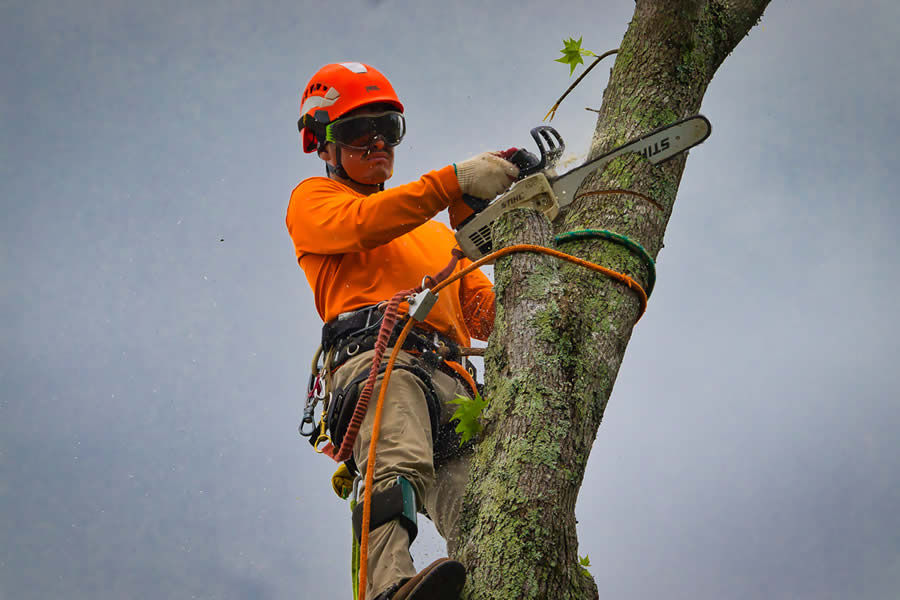
We like to think of trees as majestic givers offering shade on a blazing Georgia afternoon, adding character to a property, and even producing fresh fruit given the right season. But as generous as trees can be, they also have a wilder side.
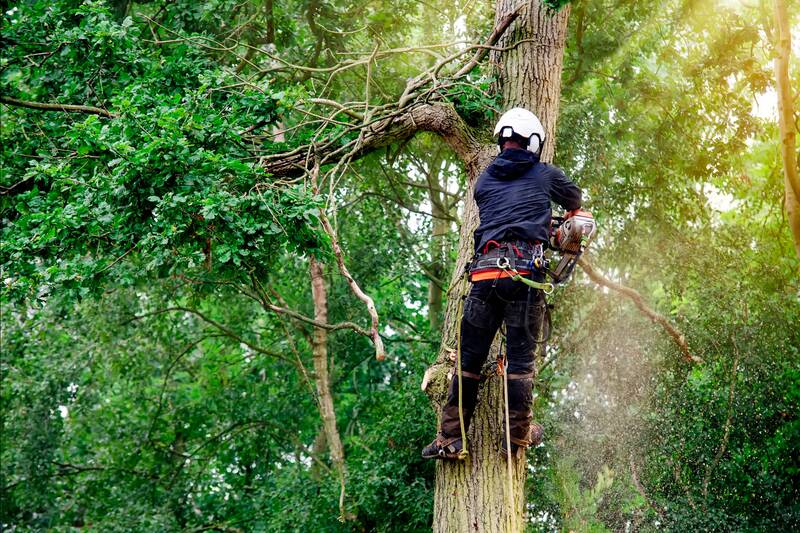
Beneath the soil, their root systems are constantly searching for water, nutrients, and stability. If those roots wander too close to your home, they can threaten the integrity of your foundation. That’s why homeowners ought to beware.
In this brief article brought to you by Driscoll Tree Service, we want to help you understand how tree roots behave, how foundations react, and how to manage both safely is a must for every Georgia homeowner.
There’s a common misconception that tree roots are strong enough to crack through solid concrete. The truth is a bit more nuanced.
Roots don’t break through healthy intact foundations per se. Instead, they take advantage of existing weaknesses. If there are small cracks, gaps, or areas where moisture collects, then roots will grow into those openings because they’re drawn to water and oxygen.
Over time, as roots expand in diameter, they can widen cracks and displace surrounding soil. The result? Foundation settling, uneven floors, damaged walkways, or gaps between walls and floors.
In many Metro Atlanta neighborhoods, we have soil with a blend of clay and loam. Clay soil expands when wet and contracts when dry – a cycle that already puts stress on foundations.
Tree roots intensify this natural movement because they pull large amounts of water from the ground.
When a large oak or maple consumes hundreds of gallons of water a day, the soil around it may shrink or shift more drastically. This often leads to foundation settlement.
On the other hand, if a tree is removed but the roots are left to decompose, then that underground void can lead to sinking soil and foundation dips.
It’s no secret that trees come in many types, shapes, and sizes. Some species spread their roots wide and shallow, while others grow deep and compact. The worst offenders near foundations are usually those with aggressive lateral roots.
Common high-risk trees in Georgia include:
This is not an exhaustive list. Even fruit trees aren't innocent, for example. Fig trees, despite their moderate size, have incredibly invasive root systems that can cause significant foundation problems.
You don’t need to be a tree service professional in Auburn, GA to spot early signs of root-related issues. Keep an eye out for:
Spotting warning signs is one thing, but fixing the problem is another. That’s when you’ll need a reputable and experienced tree company to come in.
Given the complexity of these problems, professional evaluation is crucial. The pros at Driscoll Tree Service, for example, can accurately assess whether existing trees pose risks to your foundation. They can also identify species, evaluate root systems, and recommend appropriate action.
Whether you need an inspection, routine tree maintenance, or an emergency tree removal, the team at Driscoll is ready to help. Call or message us today to get in touch with a live representative. We’re happy to schedule a convenient appointment or arrange urgent assistance for as soon as possible.
Notice Woodpecker Damage On Your Tree? Here’s What To Do Trees are a magnet for life. They provide shade, beauty, fruit, and oxygen - and they also play host to a wide range of wildlife. Birds, in particular, love trees.…
Read More
Stump Grinding Vs. Stump Removal If you recently cut down a tree in your backyard, there’s a chance you need to get rid of the eyesore left behind. While ignoring the stump or waiting for the natural decomposition process are…
Read More
How to Keep Your Trees Healthy Keeping trees healthy is not just essential for the aesthetics and safety of your landscape but also improves the quality of the environment. However, like other living things, trees need routine care and maintenance…
Read More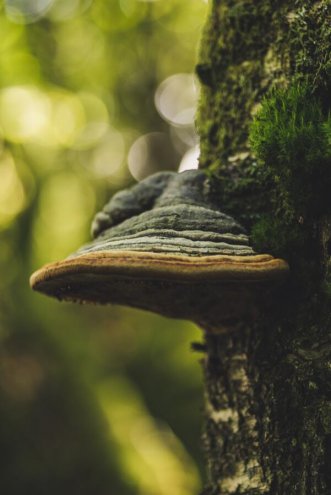
What Is Tree Fungus? Trees are an integral part of our environment, adding value, beauty, and a sense of tranquility to our properties. However, these majestic organisms are not immune to various challenges, one of the most common being tree…
Read More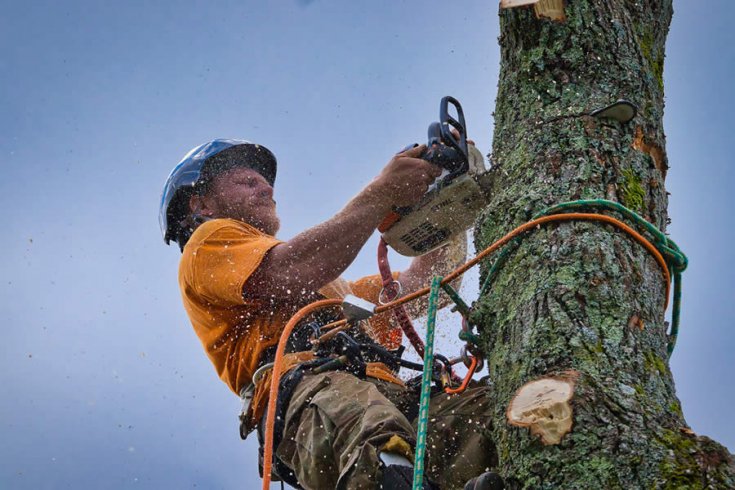
Everything You Need to Know About Residential Tree Clearing Trees provide a range of benefits for your property and the ecosystem. However, there are instances clearing is vital to mitigate safety hazards and costly damages in the future. Before hiring…
Read More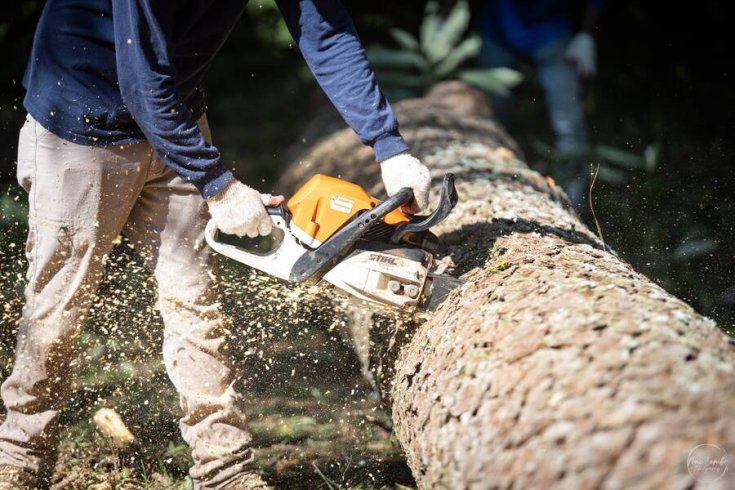
When Is It Time to Say Goodbye to a Tree? Signs Your Tree Might Be Better Removed There’s nothing like sitting under a shady oak on a hot Georgia afternoon or watching the dogwoods bloom in spring. We love trees…
Read More
4 Ways to Fill the Empty Space Where a Tree Was When a tree is removed from your yard, it can leave a space that can be challenging to fill. Fortunately, various creative and functional ways exist to fill that…
Read More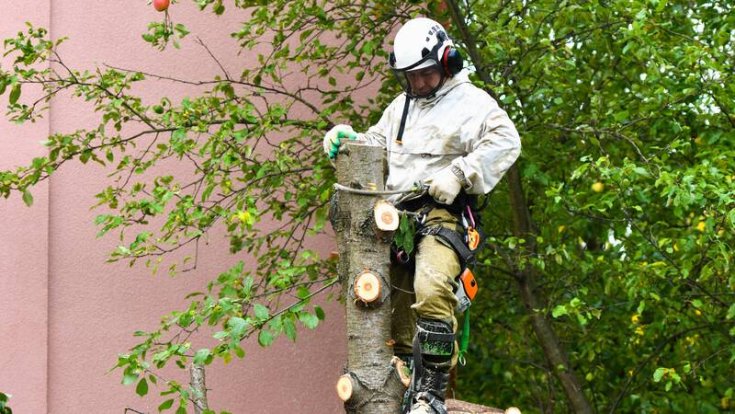
How Tree Companies Balance Safety and Environmental Responsibility When people hear the words “tree service,” they often think it’s all about cutting branches or whole trees down. On the flip side, some folks imagine environmental responsibility to be leaving trees…
Read More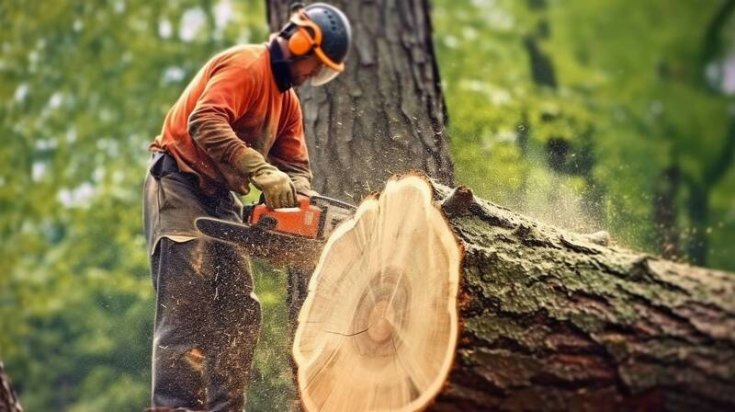
How to Effectively Remove Large Trees with Roots Large trees have vast root systems, which are crucial for proper growth and good health. While trees are magnificent entities that provide many benefits, there are times you need to remove them.…
Read More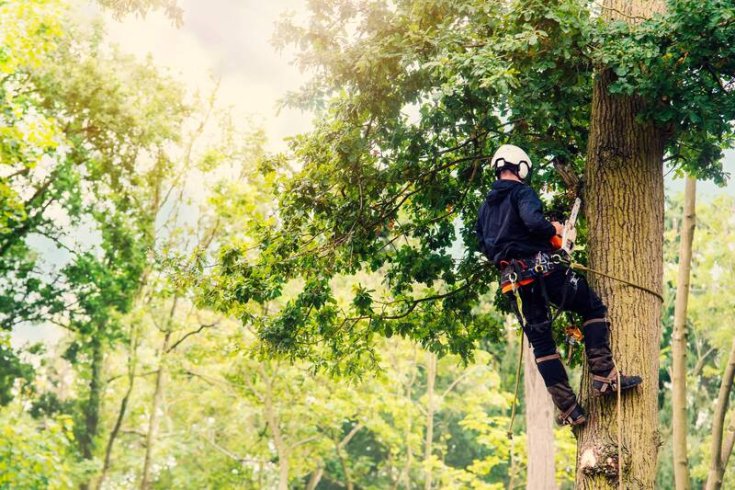
What Equipment Do Tree Removal Professionals Use? A tree removal is rarely the first choice… and it shouldn’t be. At Driscoll Tree Service, we will always explore ways to preserve a tree before recommending removal. However, removal becomes the only…
Read More