Menu
Menu

I began using Driscoll Tree Service back in 2021 and was so impressed with their knowledge and quality of work, I have only hired Driscoll Tree Service since! Just a few weeks ago, my large oak tree needed a trim and once again it was a great job!!
I used Driscoll Tree Service for years in Snellville, and now we use them in Atlanta. They do an excellent job every time. Friendly and knowledgeable crew. Results are always great. Thanks, Driscoll Tree Service!
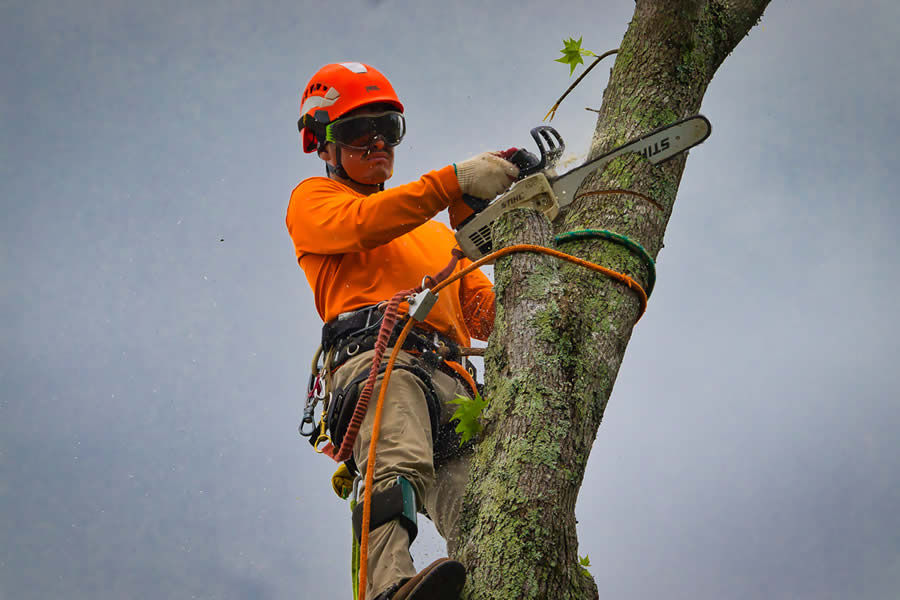
Trees may not speak our language, but they are constantly sending messages. Every leaf, branch, and root tells a story about what’s happening inside the tree. Some signals are harmless, others are early warnings, and a few are urgent calls for help.
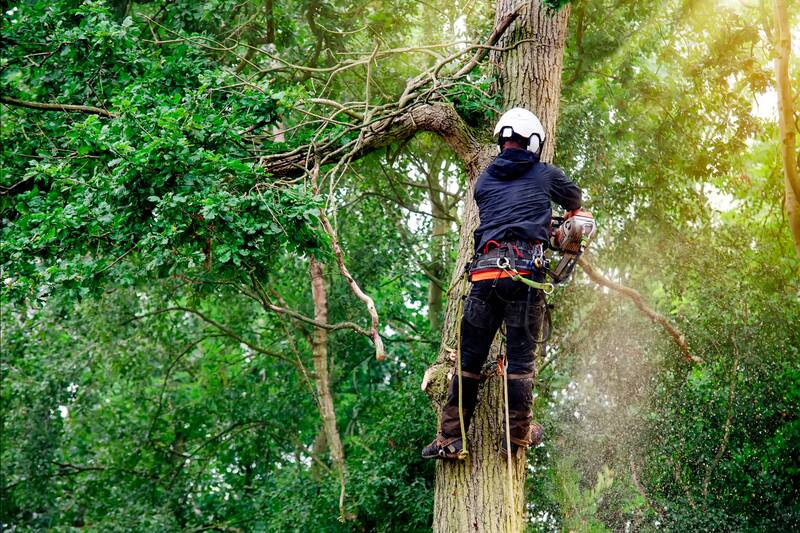
Learning to read your tree's signals can save you from disaster and help you keep your landscape healthy and beautiful. In this brief article brought to you by Driscoll Tree Service, we decode what your trees are trying to tell you.
If you are looking for a reputable and insured tree company in the Atlanta area, then consider the uniformed and time-tested pros at Driscoll Tree Service. Our office team is always happy to take your call or message.
Leaves are often the easiest place to spot trouble. Healthy trees produce full and vibrant foliage during the growing season. When leaves drop in fall, that's normal. But when your tree sheds leaves in spring or summer, it's waving a red flag.
Unexpected leaf drop signals serious stress. Your tree might be dealing with disease, pest infestation, or root damage. Sometimes sudden leaf loss means the tree is fighting for survival and shutting down non-essential functions.
Bark protects trees like skin protects you. When bark peels away, your tree becomes vulnerable to disease and pest invasion. Some trees naturally shed bark as they grow, but abnormal peeling is a warning sign.
Large sections of missing bark, especially on one side of the trunk, may indicate frost damage, disease, or physical injury. Exposed wood underneath bark provides an open door for insects and infection to penetrate deep into the tree.
Cracks in bark also deserve attention. Vertical cracks sometimes form naturally as trees grow, but deep splits that expose inner wood are real trouble.
Mushrooms cost a few bucks per pound at the market, but it’s not something you want to see growing at the base of your tree. Why? Because fungi feed on decaying wood, and mushroom growth could mean your tree is rotting from the inside.
Different fungi indicate different problems, but all signal decay. Moreover, fungus on branches and the trunk is one thing, for instance, but mushrooms around the tree's base suggest root rot. Roots anchor your tree and absorb nutrients. Rotting roots mean the tree can't support itself or feed itself properly.
It’s perfectly natural for a tree to have a little angle to it, but a tree that suddenly leans is screaming for help. This lean means something has compromised the tree's stability. This could be damaged roots, eroded soil, or structural failure.
A leaning tree won't correct itself. In fact, it will continue leaning until it falls completely. These are especially dangerous during storms, and they should be addressed ASAP. Schedule a tree removal before the tree makes the decision for you!
Some sap is normal, but excessive oozing is a problem. Color also tells a story. Dark and smelly liquid seeping from the trunk typically suggests bacterial infection. Clear and sticky sap flowing heavily might mean pest infestation or physical damage.
These oozing wounds attract more insects and provide entry points for disease. Left untreated, minor infections become major threats to the tree's survival.
This is certainly NOT an exhaustive list of warning signs, but it gets the point across: Your trees are constantly communicating with you. If you notice red flags, then call for professional tree service sooner rather than later. The team at Driscoll Tree Service is here to help today.
4 Situations That Require a Tree Removal Service Trees are a valuable addition to any landscape and play a vital role in the ecosystem. There are many benefits we get from trees, such as shade, curb appeal, and comfort, among…
Read More
Factors That Affect Tree Removal Cost Trees are valuable additions to any landscape, but sometimes you must remove them. Whether it’s a dying, dead, or potential hazards tree, you should immediately hire a professional tree care company to address the…
Read More
How to Become an Arborist An arborist or tree surgeon is a well-trained professional with extensive knowledge in applying various maintenance techniques to trees, vines, shrubs, and perennial plants. Suppose you are passionate about providing professional care to the trees…
Read More
How To Protect Your Trees From Summer Trees are a valuable addition to any landscape and offer many environmental benefits. After spending many months of winter in dormancy, summer is finally here, bringing life to all the greenery in your…
Read More
Is it Possible to Minimize Storm Damage to Trees? Trees play a critical role in our environment, providing many benefits like shade, oxygen, and beauty to our landscapes. However, they can also be vulnerable to the destructive forces of nature,…
Read More
Common Land Clearing Mistakes You Should Avoid Land clearing is an essential step in many residential and commercial development projects, whether building new infrastructure, expanding urban areas, or creating agricultural fields. However, the land-clearing process can be overwhelming, increasing the…
Read More
How Tree Roots Damaging Your Pipes Trees are attractive elements in your garden that provide shade and enhance the beauty of your space. However, the giant trees can cause problems to your property’s foundation and plumbing system. These roots are…
Read More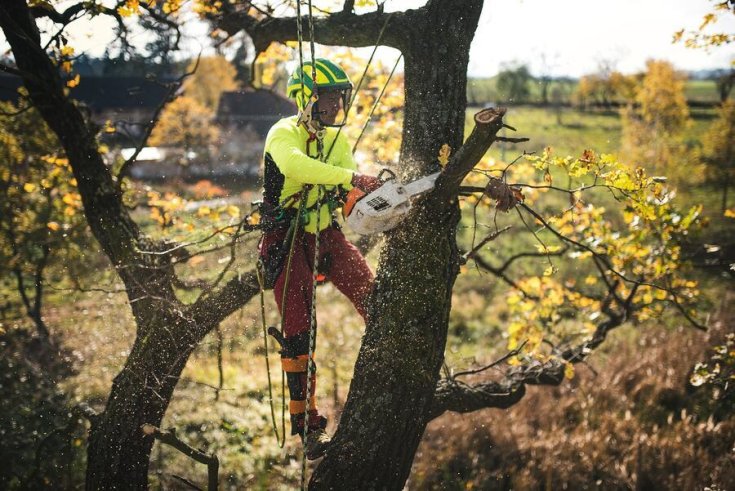
What Exactly Is an Arborist Report? Trees are a valuable addition to our environment, providing oxygen, curb appeal, shade, and a habitat for various species. However, when it is time for tree removal, especially protected ones, there are legal and…
Read More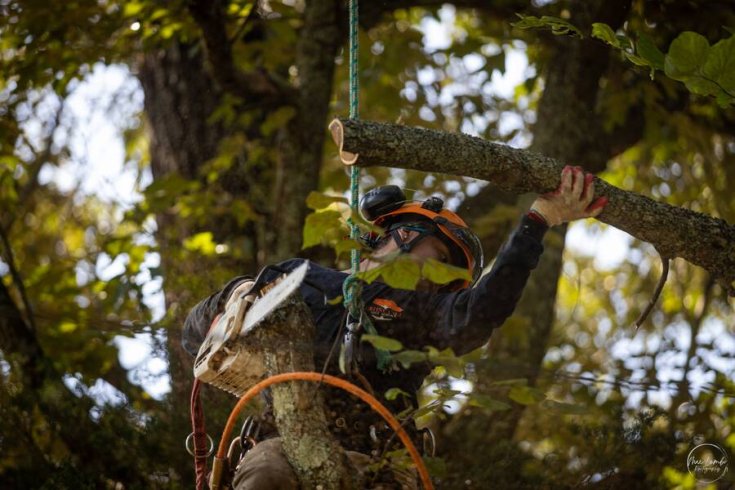
Removing Hazardous Trees Before They Fall We’re no hippies – but we love trees as much as the next guy. Trees cool our homes, boost property value, and make a yard feel complete. Still, loving trees doesn’t mean ignoring reality.…
Read More
How to Spot Diseased or Dangerous Trees Before They Become a Problem Let’s face it: not every homeowner is an arborist. Most people don’t spend their weekends studying leaf structure or bark fungus, and that’s perfectly fine. But while you…
Read More