Menu
Menu
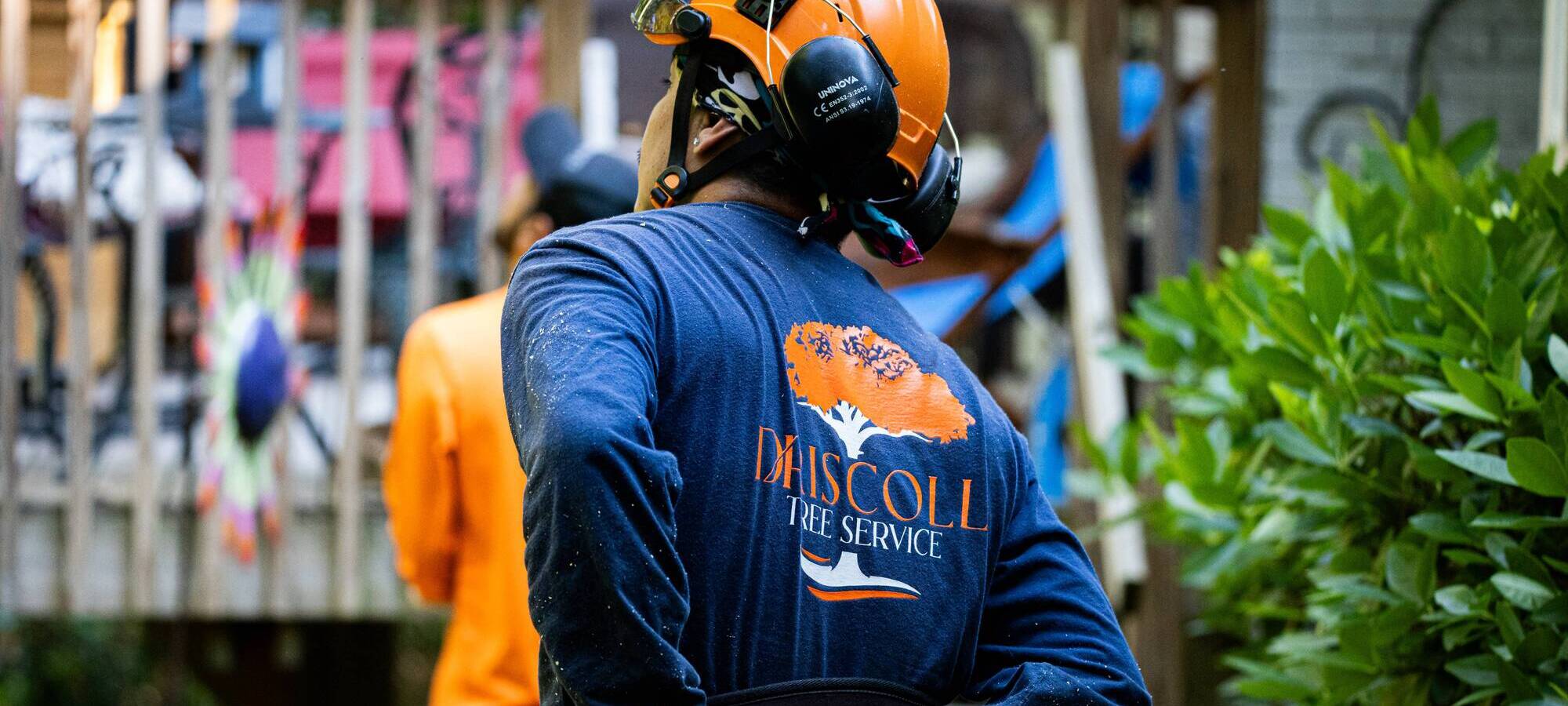

It took a while for the weather to cooperate, but when the time came, all went well with excellent results. The crew removed a large water oak and a small trash tree. They worked well together and when finished, the job site was cleaned up nicely. They were friendly and informative. Neighbors were also impressed. I highly recommend Driscoll Tree Service.
Michael came out to evaluate some trees I had with a questionable fungus on them, and ultimately the course of action was removal for a select few. He got me an estimate for the removal within a matter of days. They had the most competitive prices out of the other estimates I got. Michael is a very knowledgeable Arborist and you can tell he is passionate about his work. He wasn't pushy at all about the removal like some of the other companies I had come out, and he advised me on doing it in "phases" to fit my budget. The actual tree removal and stump grinding itself was so smooth and all the workers that came with the crane and stump service were very professional and communicative about what the process was going to be.
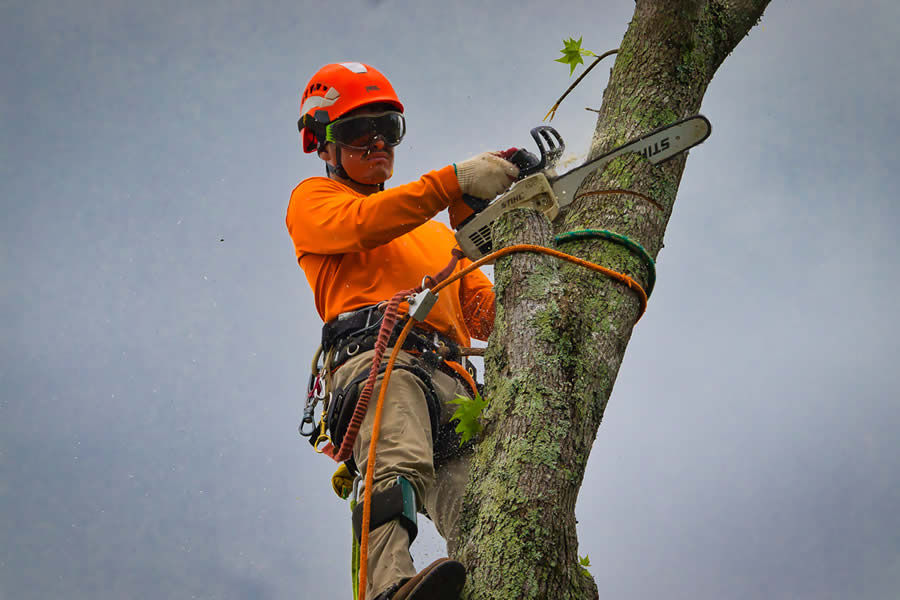
With summer right around the corner, many of us are gearing up for pool days, vacations, cookouts, and stocking up on sunscreen. Amid all this seasonal preparation, however, there's one important part of your property that might be getting overlooked: your trees.
 (1).jpg)
Yes, trees can suffer from heat stress just like we can; and just like some people, trees can’t exactly tell us when they’re feeling overwhelmed. When summer temperatures soar, trees are vulnerable to dehydration, sunscald, and long-term damage if not properly cared for.
In this brief article brought to you by Driscoll Tree Service, we take a look at what heat stress in trees looks like, how it affects your landscape, and most importantly, what you can do to prevent it. If you'd rather have a tree company investigate, then call or message Driscoll Tree Service to get in touch with a trained professional.
Heat stress happens when a tree loses more moisture through its leaves than it can absorb through its roots. In other words, it’s dehydrated and overheated. Prolonged exposure to high temperatures, drought conditions, or poor soil quality can push trees past their limits.
While many native species are fairly resilient, urban and suburban trees face additional stressors from compacted soil, reflective heat from pavement, and limited root space. All of these make trees more susceptible to summer heat.
If your parched tree could talk, it would probably say, “I’m thirsty!” Here’s how it tries to show you instead:
In severe cases, heat stress can weaken the tree to the point where it becomes more vulnerable to pests, disease, and structural failure. In such cases, there might be a need to schedule a tree removal instead.
The good news is most trees can handle summer just fine - with a little proactive care on your part. Here are some effective ways to reduce the risk of heat stress and keep your trees looking (and feeling) their best.
When it comes to summer tree maintenance, experience matters. If you'd like to leave the tree service to trained and experienced professionals, then consider the time-tested ones at Driscoll Tree Service. With a cumulative decades of industry experience, we know what it takes to give your trees a real spa treatment.
Worried about your trees? Call or message Driscoll Tree Service to get in touch with a member of our team. Let us know what you're worried about so we can arrange an appropriate appointment or urgent dispatch.

4 Ways to Fill the Empty Space Where a Tree Was When a tree is removed from your yard, it can leave a space that can be challenging to fill. Fortunately, various creative and functional ways exist to fill that…
Read More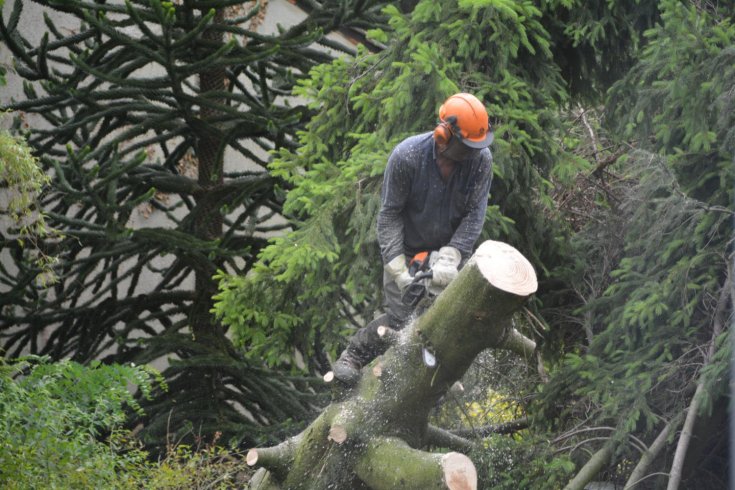
How Professional Tree Services Handle Large or Hazardous Trees Large or hazardous trees can quickly turn into serious threats on your property, and dealing with them safely requires far more than basic yardwork. You might look at a towering trunk,…
Read More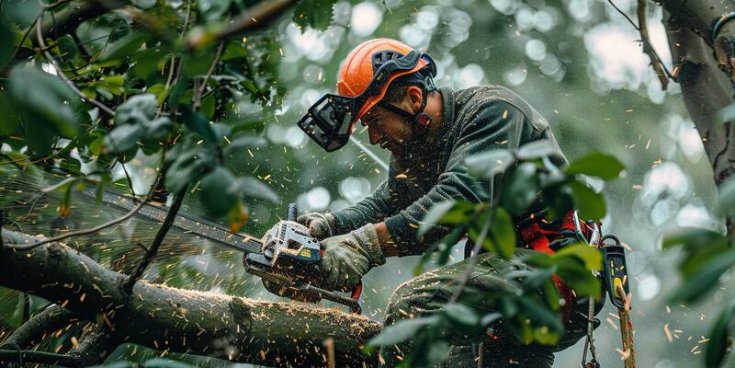
Seasonal Tree Care Tips to Keep Your Yard Healthy Tree care is not a one-and-done ordeal; a beautiful and healthy yard demands constant attention. That doesn't mean you have to sit at your window and watch the trees 24/7, but…
Read More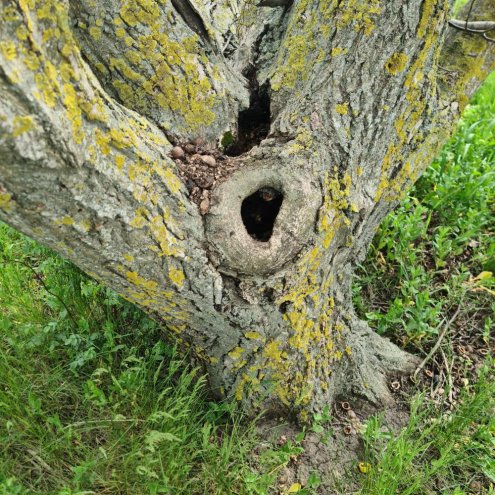
Should You Fill Holes or Cavities in a Tree? Trees usually develop cavities and holes over time, which are often mistaken for infections or infestations. While these fissures may raise concerns about the tree’s overall health, they are a natural…
Read More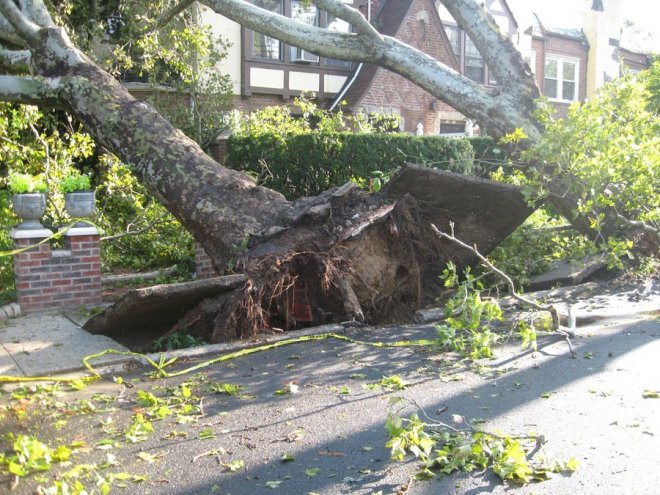
Signs a Tree Might Fall Many property owners appreciate and love their trees but must notice the potential danger some trees present. Research shows that many tree-related accidents could be avoided if people knew the signs and symptoms of a…
Read More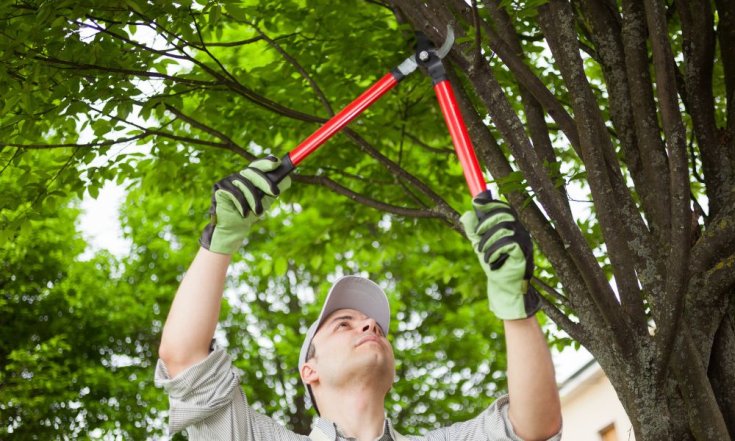
Tree Maintenance Issues Homeowners Neglect Trees add beauty to any landscape and provide many benefits like air purification, shade, and curb appeal. While these magnificent entities may seem sturdy and durable, proper care is vital to maintain good health and…
Read More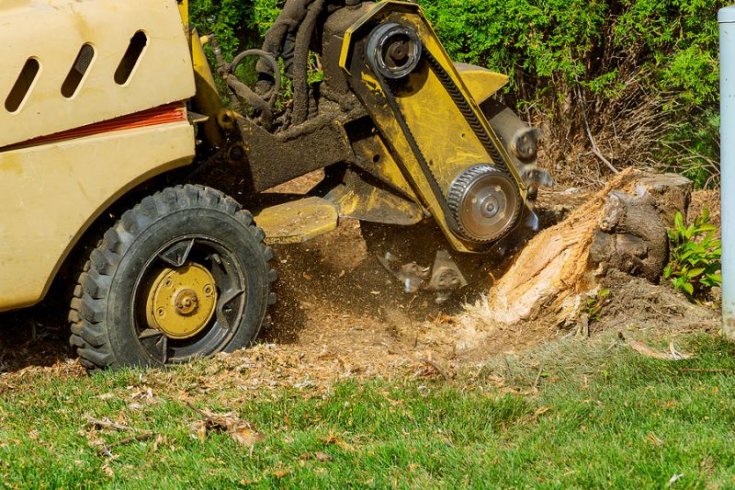
The Best Way to Remove a Tree Stump When a tree is cut down for whatever reason, the stump left behind is not just an eyesore but also a safety hazard on your premises. Waiting for the stump to decompose…
Read More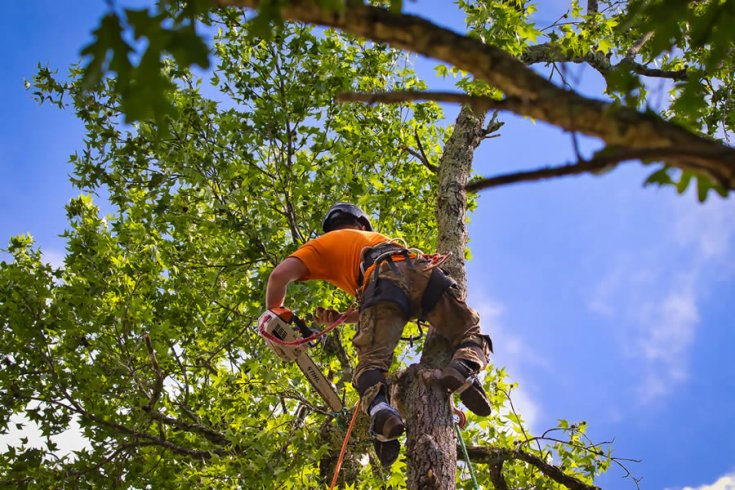
Benefits of Tree Trimming Do you have a tree that needs a lot of attention, but you're unsure what to do? Whether your tree is growing too close to the house, hangs over the driveway, or is growing unevenly, the…
Read More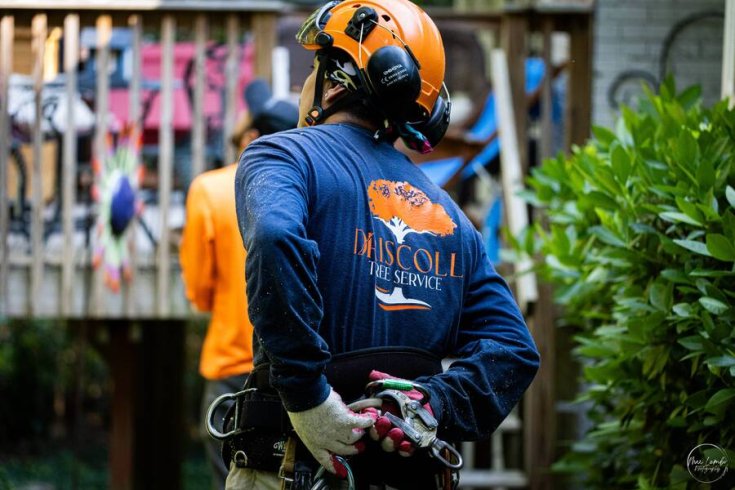
Why Working with Licensed and Insured Tree Companies Matters Tree companies love trees, but not in the dreamy hug-every-oak kind of way. Their job is to work with reality, and sometimes that reality means a tree is dangerous, diseased, or…
Read More
Removing Trees in Confined Spaces People living in urban and suburban settings often own homes with small yards. This is common in congested areas since most properties are close together. This can pose significant issues regarding tree removal, hence the…
Read More