Menu
Menu


I began using Driscoll Tree Service back in 2021 and was so impressed with their knowledge and quality of work, I have only hired Driscoll Tree Service since! Just a few weeks ago, my large oak tree needed a trim and once again it was a great job!!
Efficient, Affordable, and Professional what more can you ask for in a company. I had a big tree in my yard that needed to be cut down. From the estimate from Michael and the actual job being performed by his crew, everything was satisfactory. Including the clean-up. They’re also licensed and insured so that made selecting for the job even more comfortable. I highly recommend Driscoll Tree Service for your tree removal.
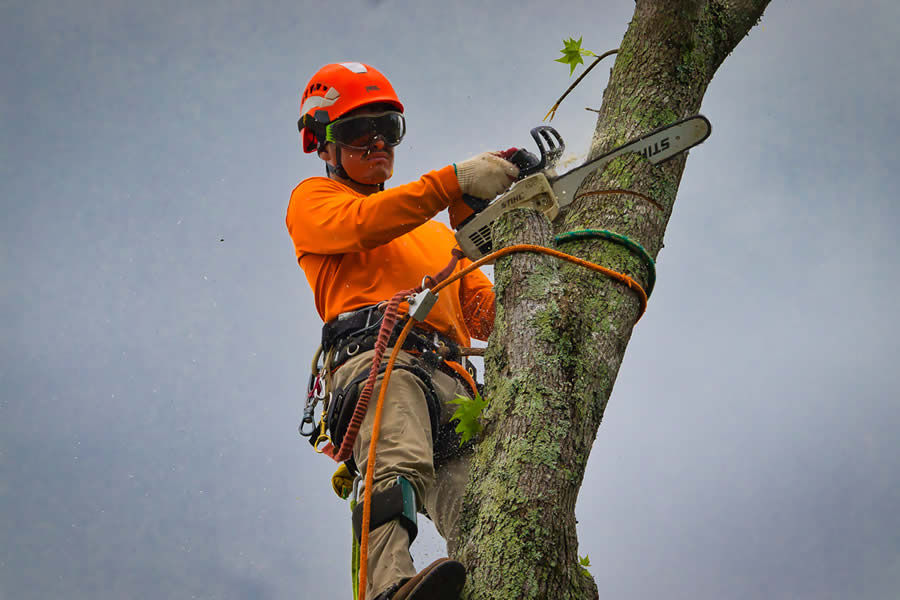
Regarding landscaping and gardening, the intricacies of nurturing nature’s wonders are both an art and a science. One crucial aspect that often goes unnoticed but is paramount is mulching newly planted trees. Mulch, often regarded as the unsung hero of landscaping, plays a multifaceted role in the well-being and thriving growth of these arboreal wonders. Driscoll Tree Service is a reputable tree care company that can help assess and recommend the right mulch for your trees. Here are reasons to consider mulching saplings or newly planted trees.
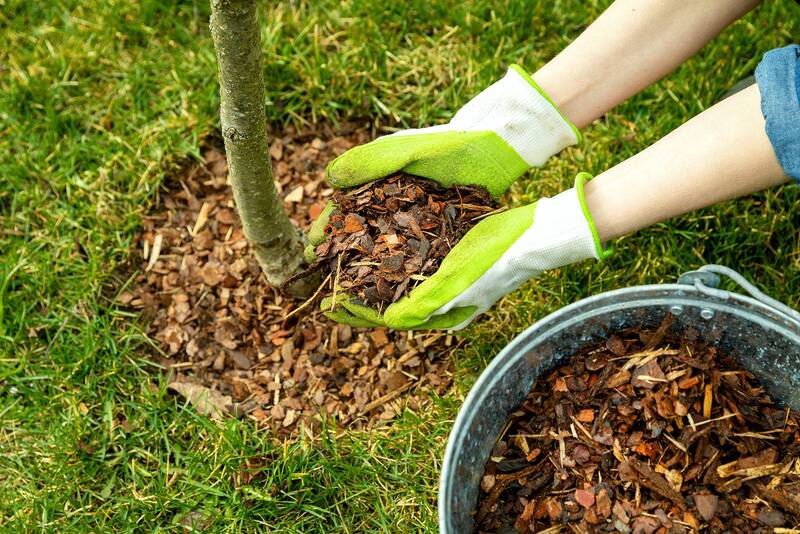
Imagine a young sapling, its roots freshly nestled into the earth, facing the wide world ahead. This vulnerable initial growth period is where mulching offers its protective embrace. Mulch acts as a shield, safeguarding the delicate root system from weather extremes — scorching sun or chilling frost. This layer of organic or inorganic material serves as a thermal insulator, regulating soil temperature and minimizing stress on the tree. While there are different mulching materials, consult a professional tree service for guidance and the well-being of your trees.
Just as humans require hydration to flourish, so do trees. Mulching creates an absorbing haven by preventing rapid water evaporation from the soil. This vital water reservoir ensures that the young tree’s roots stay consistently hydrated, reducing the risk of drought stress during hot spells and supporting it through critical establishment phases.
Mulch acts as a formidable opponent to the pesky intrusion of weeds. By forming a protective barrier over the soil’s surface, it denies weed seeds the light they need to germinate and grow. This natural weed suppressant saves your trees from competing with invasive plants for nutrients and minimizes the need for labor-intensive weeding.
The benefits of mulching extend beyond the surface, seeping deep into the soil beneath. As the mulch breaks down over time, it enriches the soil with essential organic matter, nourishing and improving its structure. This fertile environment encourages beneficial microorganisms, enhancing nutrient availability to the growing tree. In addition, mulching helps in soil aeration, preventing compaction and promoting root growth.
While the practical benefits of mulching are undeniable, its aesthetic contributions are equally noteworthy. A well-mulched tree presents a polished appearance in your landscape, framing the tree’s natural beauty while seamlessly integrating it into its surroundings. The diversity of materials available for mulching allows for creative expression, letting you harmonize your tree with your unique landscaping style. If you prefer a more hands-off approach to mulching, hire a tree care company to help choose the material and handle the application.
The practice of mulching newly planted trees is a testament to the profound impact of simple acts in landscaping and gardening. From protecting against the elements to fostering healthy growth, mulch’s role is functional and aesthetic. At Driscoll Tree Service, mulch reflects our understanding of nature’s needs and our commitment to nurturing beauty. Contact us today and schedule a consultation with our expert tree service providers. We leverage extensive industry knowledge and expertise to ensure healthy and durable trees.
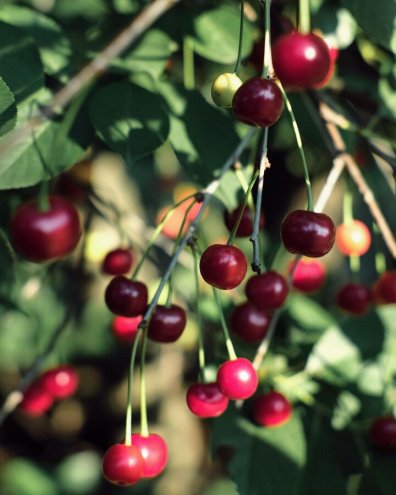
Summer Pruning Tips for Cherry and Apricot Trees Tree pruning is vital for optimum health and longevity. It is the equivalent of a haircut, as it enhances aesthetics and prevents diseases. Unfortunately, many homeowners prefer handling yard maintenance alone, which…
Read More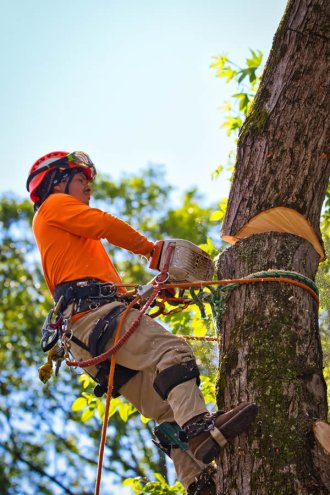
Hey there, Metro Atlanta neighbors! Whether you’re battling Bradford pears that shed like a husky in July or nurturing a century-old oak that’s seen more history than Peachtree Street, the tree care specialists at Driscoll Tree Service have some tips…
Read More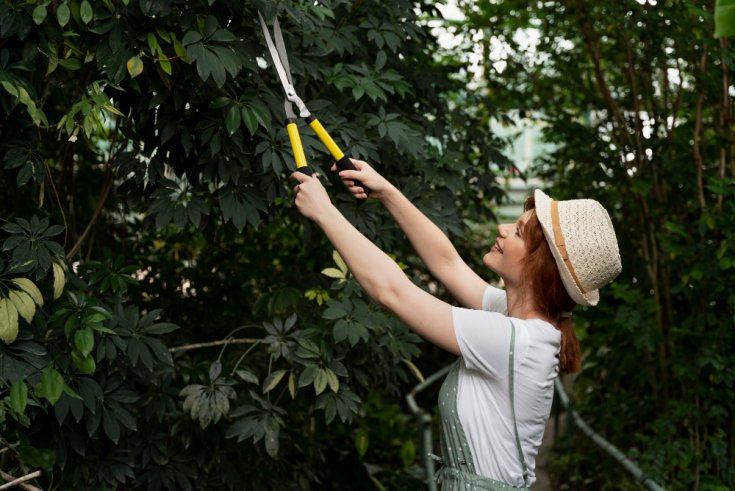
How Proper Pruning Techniques Help Shape Young Trees Young trees require careful pruning during their early years to develop strong structure, balanced growth, and long-term stability. Without proper trimming, trees may develop weak branches, uneven canopies, overcrowded limbs, or structural…
Read More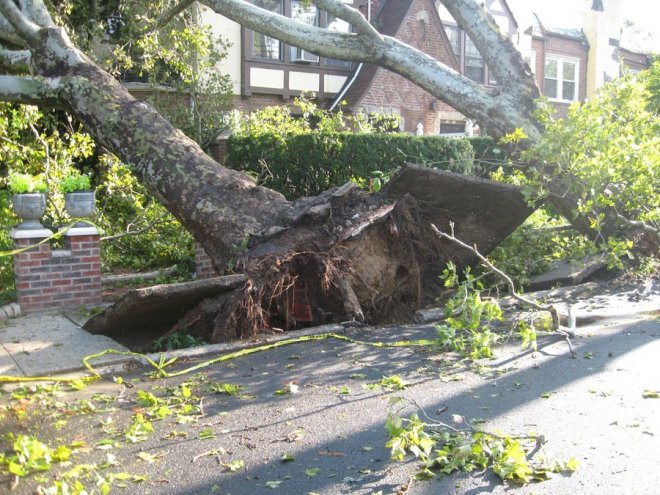
Signs a Tree Might Fall Many property owners appreciate and love their trees but must notice the potential danger some trees present. Research shows that many tree-related accidents could be avoided if people knew the signs and symptoms of a…
Read More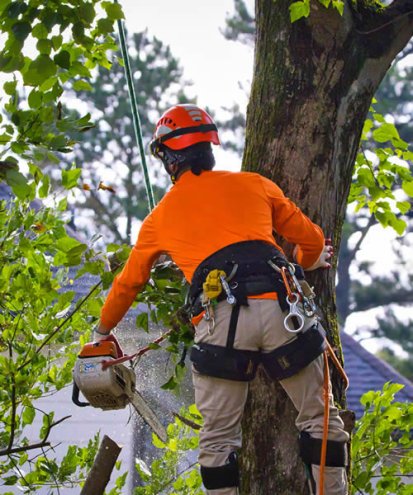
Signs It's Time to Trim Your Trees Trees play a vital role in our environment, offering many benefits, including fresh air, shade, and curb appeal. However, trees require proper care and maintenance to thrive. Regular trimming is one of the most crucial…
Read More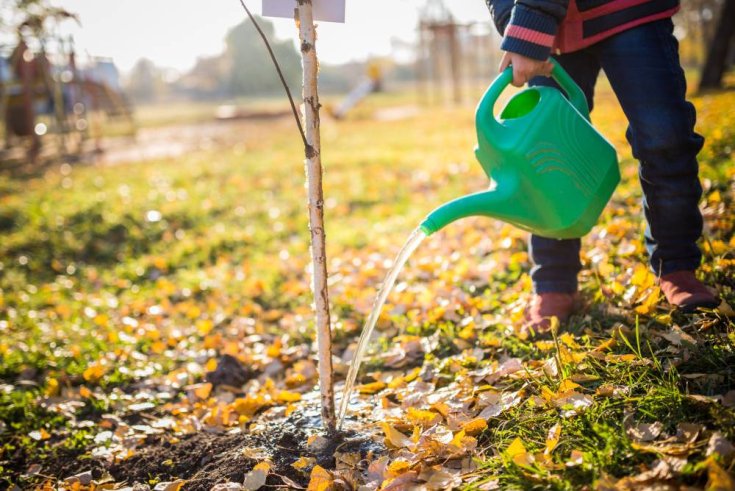
The Best Way to Water Trees Trees are silent giants in our environment that require proper care to thrive. One of the most crucial aspects of their care is watering. Watering trees may seem straightforward, but some specific methods and…
Read More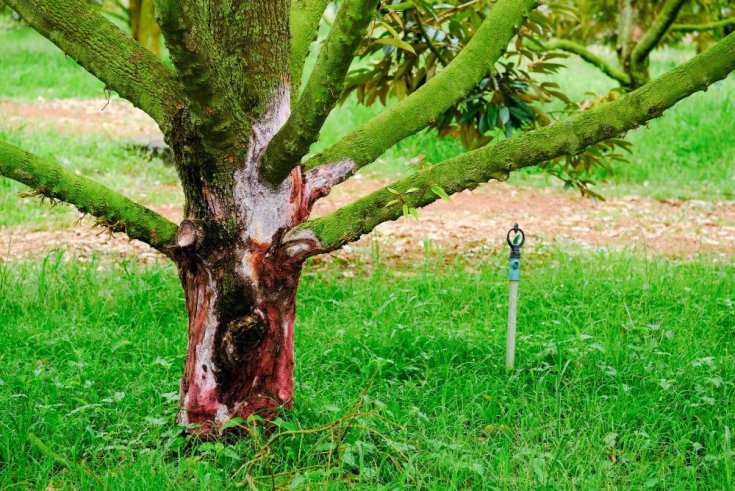
8 Symptoms of an Unhealthy Tree Trees are valuable to our homes and environment, providing oxygen, shade, and aesthetic appeal. However, trees can suffer from various health issues like other living organisms, prompting the expertise of a professional tree care…
Read More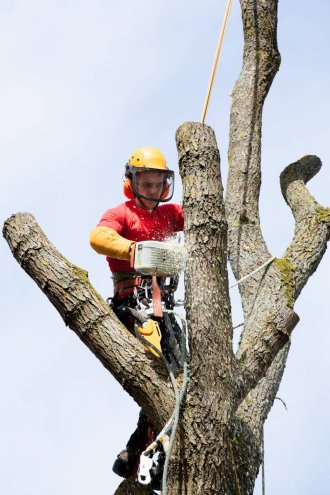
Dead or Dying Trees: Why Waiting Is Risky Sickness and death are facts of life. That applies to people, pets, and yes—even trees. Trees grow, thrive, decline, and eventually die. It’s part of the natural cycle. In a forest, a…
Read More
Why Tree Risk Assessment Is Important Trees are valuable assets that enhance the quality of your landscape and the ecosystem. These magnificent entities provide many benefits, including shade, beauty, and environmental benefits. However, they can experience structural deterioration or health…
Read More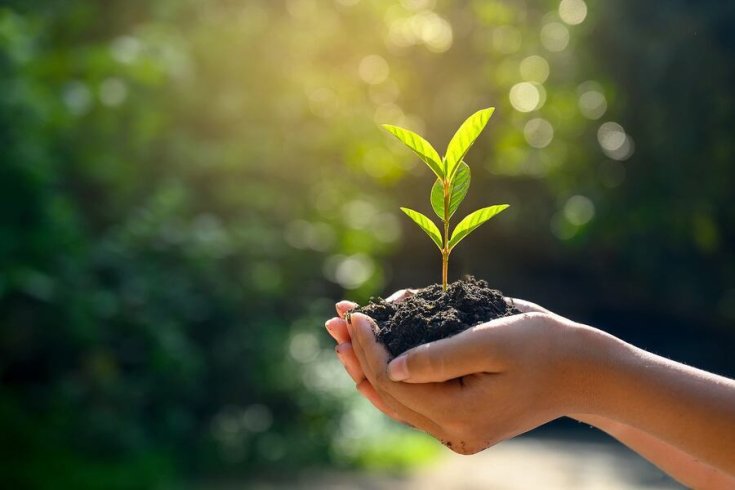
Tree Planting Aftercare A tree can add immense value to your landscape, providing many benefits like shade, curb appeal, and overall environmental well-being. However, planting the tree is just the beginning. Ensuring its growth and longevity requires proper aftercare, and…
Read More