Menu
Menu
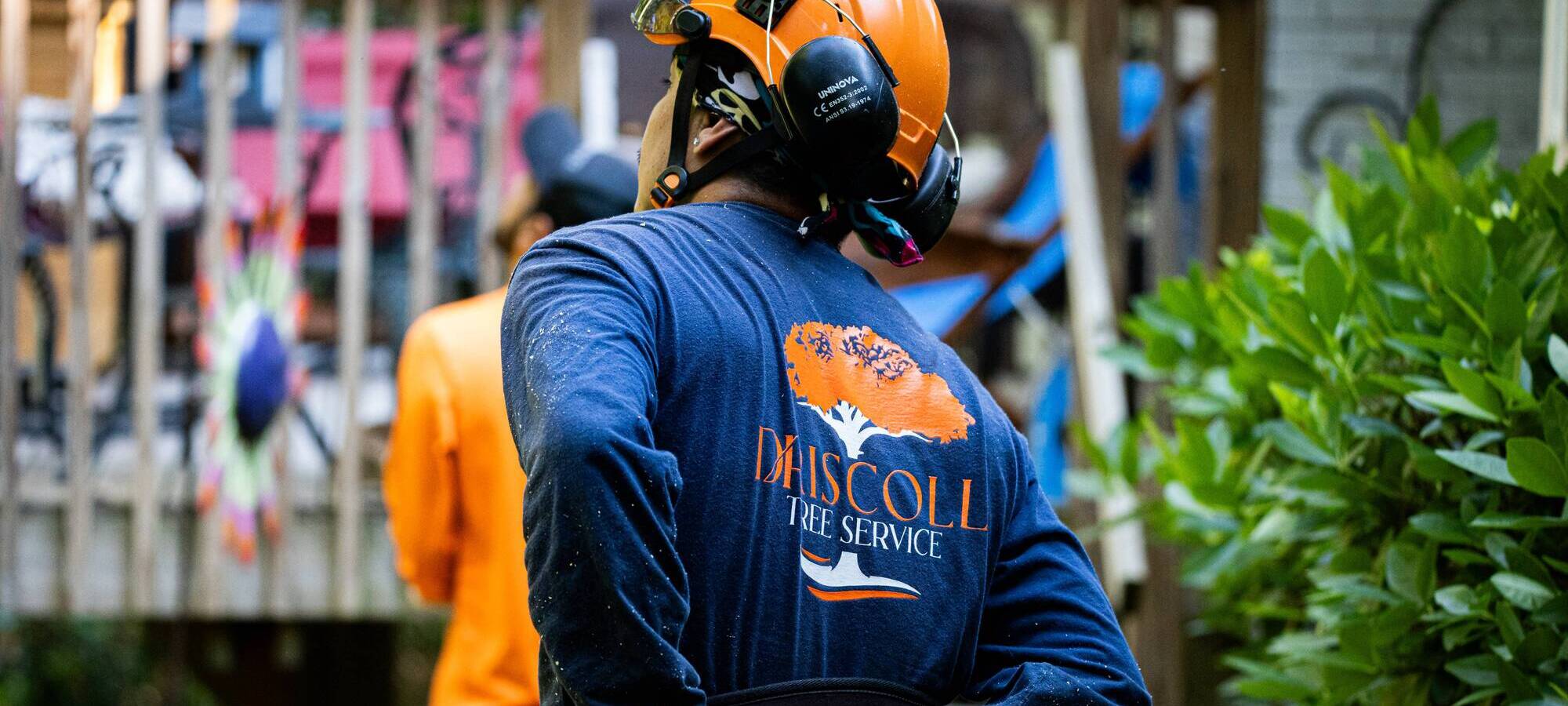

We called to have two large pine trees removed since they were in the way of where we needed to put our fence. We are slackers and always wait until the last minute to do anything so of course, we tried to find someone that could take these out quickly as we needed it done ASAP. These guys came out the same day I called and were able to get them out the next day. I was so impressed by how nice and professional they are, it’s nearly impossible to get anyone to come out and/or follow up with anything so it was extremely refreshing that they did both without me having to call and ask what the hold up was. I will forever use this company for future needs. Thank you again!!
It took a while for the weather to cooperate, but when the time came, all went well with excellent results. The crew removed a large water oak and a small trash tree. They worked well together and when finished, the job site was cleaned up nicely. They were friendly and informative. Neighbors were also impressed. I highly recommend Driscoll Tree Service.
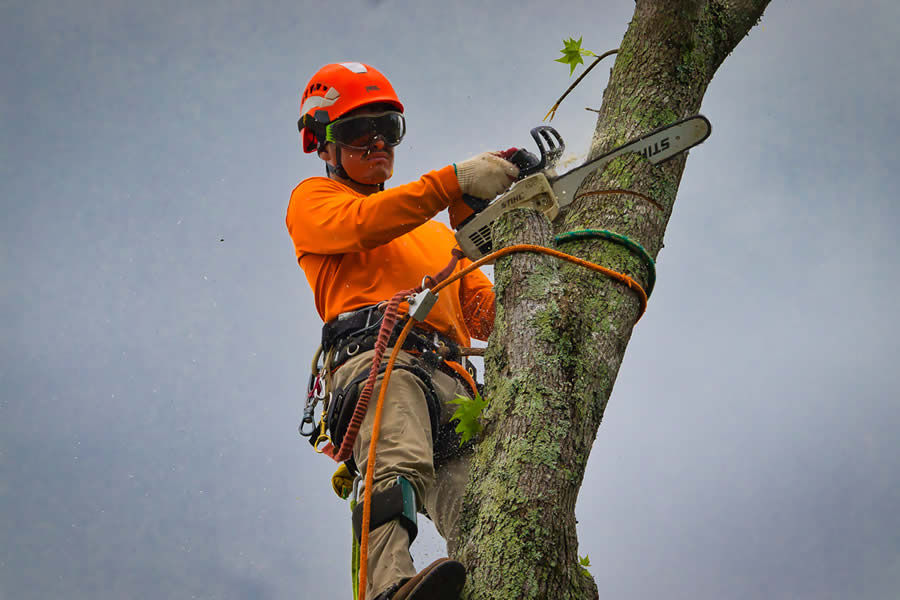
Trees are more than just pretty landscape features. They also provide shade that can reduce energy costs, improve air quality, and, in some cases, even “magically” deliver fresh fruit right to your backyard. We’ll be the first to say it: planting trees is usually a smart move for any property.
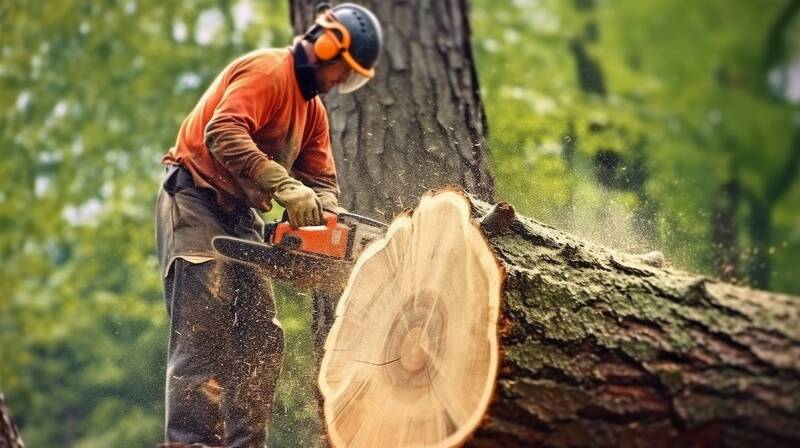
With that said, there are limits. When a tree grows too close to your house, its risks can outweigh the benefits. Proximity matters more than many homeowners realize. So how do you know whether a nearby tree is a blessing or a catastrophe waiting to happen?
In this brief article brought to you by Driscoll Tree Service, we explore both sides of this issue and help you make an informed decision about the trees closest to your home. If you’re looking for a reputable tree company to come out and investigate, then contact Driscoll to get in touch!
Let's first acknowledge the genuine advantages of having trees near your home. These benefits are real and shouldn't be dismissed lightly.
Believe it or not, energy savings top the list. A strategically placed tree can reduce your cooling costs by 25% or more during summer months. Specifically, trees on the west and south sides of your home block intense afternoon sun to keep your house naturally cooler. In the winter, evergreen trees serve as windbreaks blocking cold winds.
As energy bills go down, property value increases when mature trees grace your landscape. Real estate studies consistently show that homes with established trees sell for more than comparable properties without them. Trees create curb appeal and make properties more desirable.
There are environmental benefits, too. Trees near your home improve air quality, reduce stormwater runoff, provide wildlife habitat, and create a more pleasant outdoor living environment. Let’s face it: that maple shading your deck makes summer barbecues infinitely more enjoyable.
We can’t overlook privacy. Dense foliage screens your home from neighbors and street traffic while absorbing sound pollution. It's like having a natural fence that also happens to be beautiful.
Let’s now face the sobering reality: trees too close to your home create legitimate hazards that can lead to costly damage or worse.
Structural damage is the primary concern. Branches hanging over your roof drop leaves that clog gutters. Overhanging branches can also scrape shingles during windstorms or even come crashing through your roof with catastrophic results.
Those branches can interfere with utility lines, too. Trees growing into power lines create fire risks and cause power outages. When storms hit, trees entangled with utility lines become extremely dangerous and even deadly.
We can’t forget to mention that squirrels, raccoons, rats, and insects use overhanging branches like bridges to access the roof, attic, and/or walls. Once pests establish themselves in your home, evicting them is often expensive and frustrating.
Finally, there’s the risk under the surface. As roots expand in their search for moisture and nutrients, they can force themselves into cracked concrete, invade plumbing lines, and destabilize your home's foundation. The closer the tree, the more severe these underground conflicts become.
Ultimately, the question of whether to keep a tree near your home, or schedule a tree removal, depends on your specific situation. If you're keeping trees near your home, remember to:
Don't wait for a storm to make the decision for you. Call or message Driscoll Tree Service to have a tree service inspect your trees. The peace of mind alone can be worth it.
If you’ve lived in Metro Atlanta for a while, then you know we love our trees. Drive through Decatur, Marietta, or Roswell and you’ll see streets shaded by towering oaks, pines, and maples. For most of us, those trees aren’t…
Read More
Who is Responsible for a Fallen Tree? Healthy and well-cared-for trees can be a valuable asset to your property, enhancing its beauty and value. However, the natural world can sometimes be unpredictable, and when a tree or large branch falls,…
Read More
How to Help Prevent Tree Pests Trees are vital to our environment, providing many benefits like shade, oxygen, and beauty. However, they are also susceptible to pests that can cause significant damage and premature tree removal if left unchecked. Driscoll…
Read More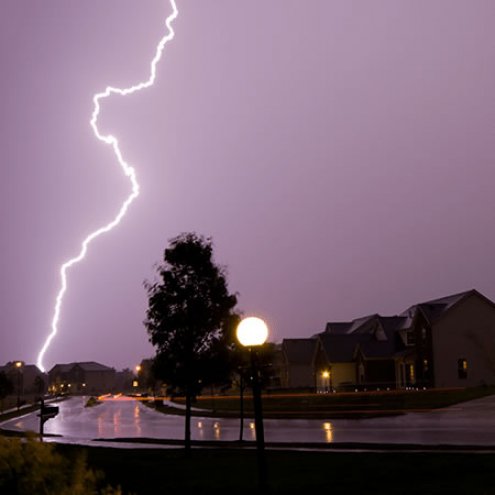
Trees and Lightning Strikes Lightning doesn’t strike the same place twice. While this might be true, you know how destructive it can be if you live in an area that frequently experiences such weather phenomena. Towering trees are easy targets,…
Read More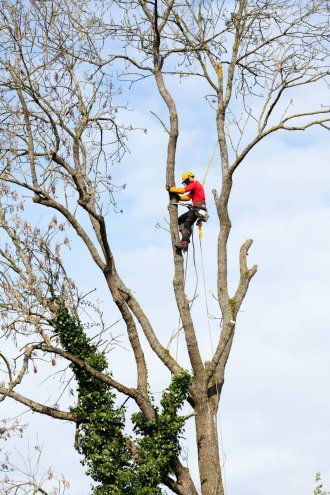
Fall Lawn and Landscape Care Tips As the vibrant colors of summer fade and fall begin to take over, it's essential to focus on lawn and landscape care. Fall is crucial for yard care as you prepare for the colder…
Read More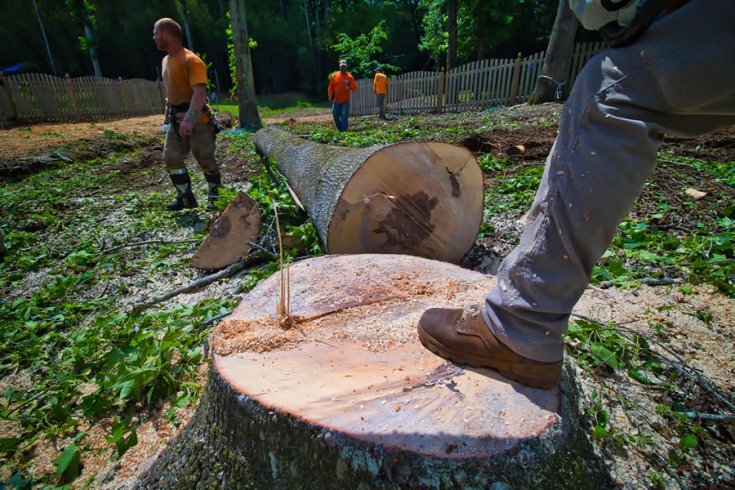
What's The Right Time of Year to Remove Trees? Trees provide a range of benefits to your property and the ecosystem. Whether it is enhancing curb appeal and giving shade or cleaning the air, the value of trees can’t be…
Read More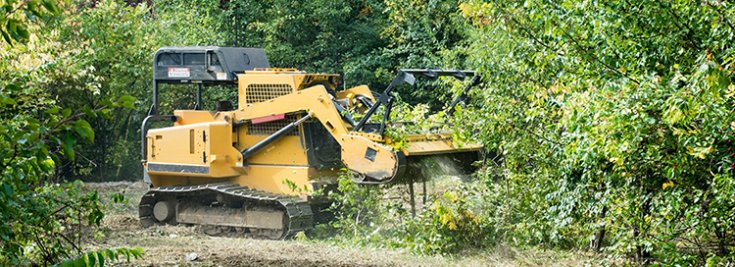
Learn About Hiring Forestry Mulching Services Forestry mulching is the ultimate win-win for nature enthusiasts, landowners, and anyone looking to responsibly manage overgrown vegetation. This innovative process transforms trees, bushes, vines, and other plants into valuable mulch that not only…
Read More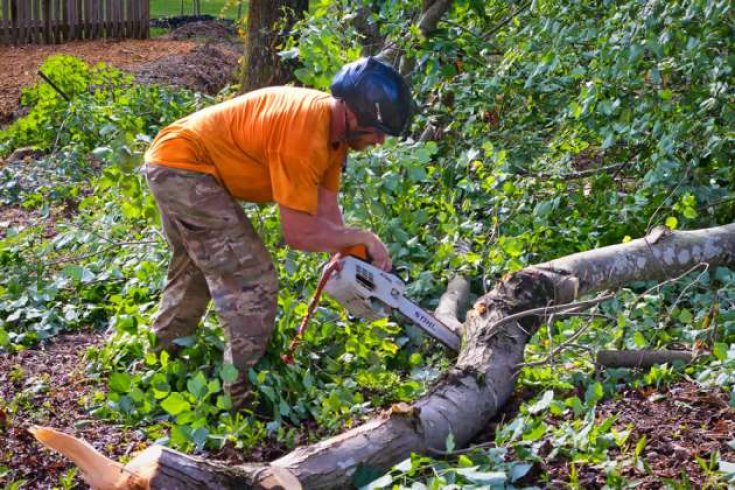
Tree Maintenance Tips to Prevent Property Damage Trees on your property can enhance its beauty and provide many environmental benefits. However, without proper maintenance by a professional tree care company, trees can become a liability, leading to property damage and…
Read More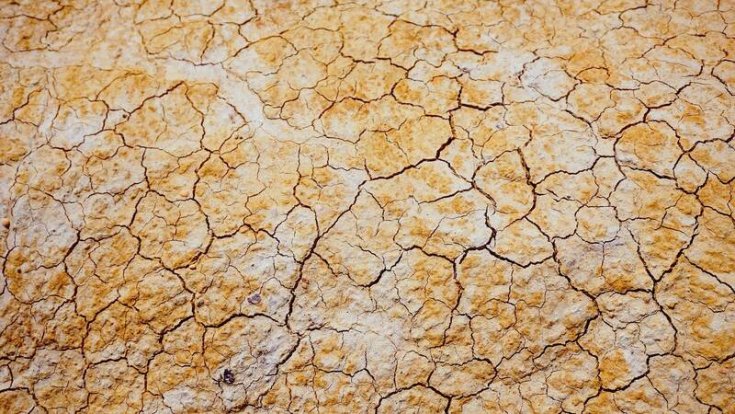
How Does Drought Affect Trees? Drought is a prolonged deficit between water supply and demand. This means long-term conditions of increased demand without sufficient water supply cause drought. With the rise of global warming and climate change, many parts of…
Read More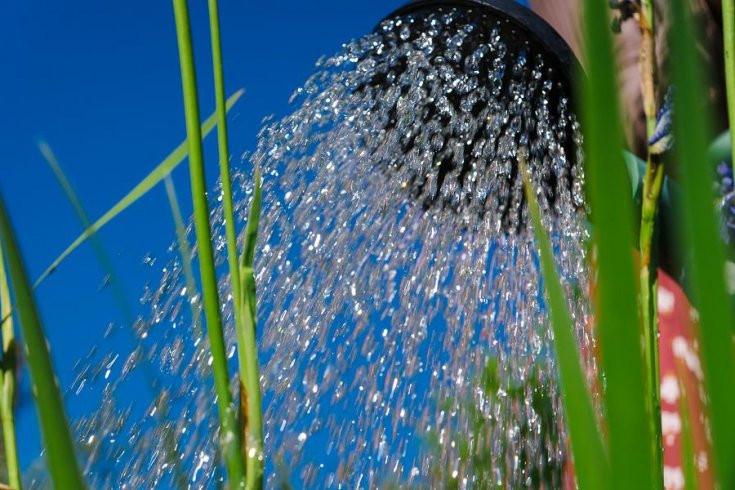
How to Properly Care and Watering Your Trees Proper watering is one of the best ways to ensure your trees remain in optimal condition throughout their lifespan. With climate change affecting vegetation across the globe because of drought, Driscoll Tree…
Read More