Menu
Menu
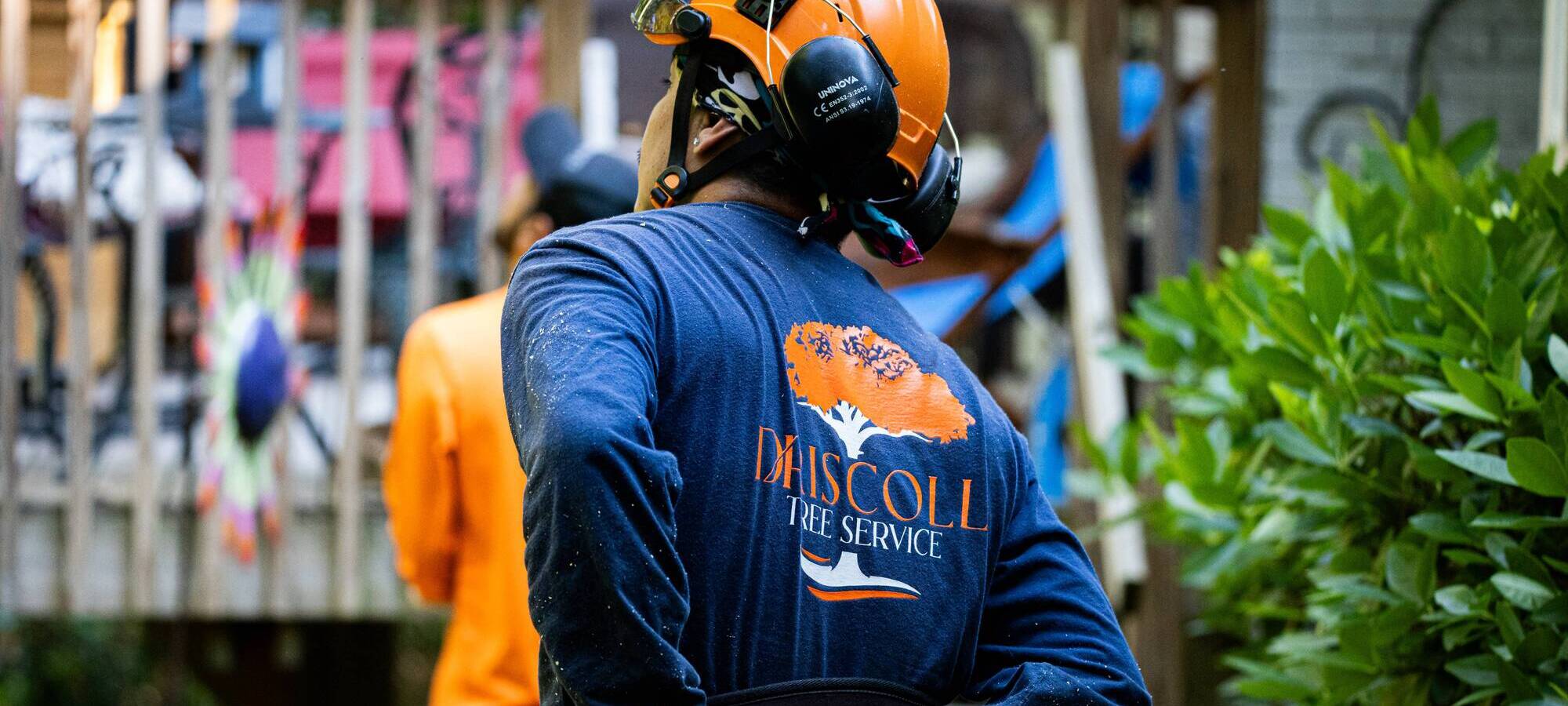

Efficient, Affordable, and Professional what more can you ask for in a company. I had a big tree in my yard that needed to be cut down. From the estimate from Michael and the actual job being performed by his crew, everything was satisfactory. Including the clean-up. They’re also licensed and insured so that made selecting for the job even more comfortable. I highly recommend Driscoll Tree Service for your tree removal.
I began using Driscoll Tree Service back in 2021 and was so impressed with their knowledge and quality of work, I have only hired Driscoll Tree Service since! Just a few weeks ago, my large oak tree needed a trim and once again it was a great job!!
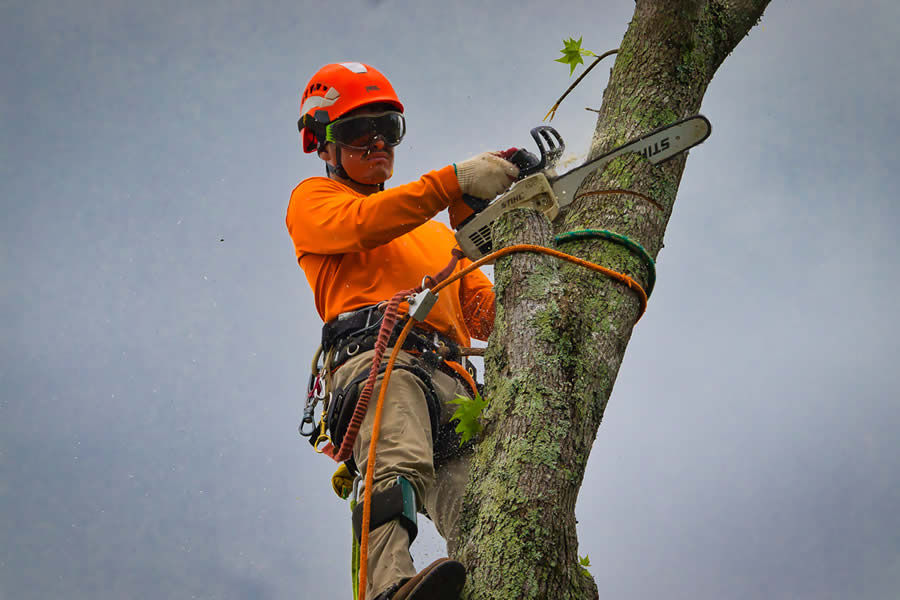
Trees provide many benefits, from improving air quality and curb appeal to providing a habitat for wildlife. However, trees can grow close to power lines, posing safety risks and electrical hazards. If you notice tree branches rubbing against utility lines on your property, it might be time to call an electric or tree care company quickly. At Driscoll Tree Service, we understand the dangers of allowing trees to grow close to power lines, and provide tailored solutions like pruning or complete tree removal for peace of mind.
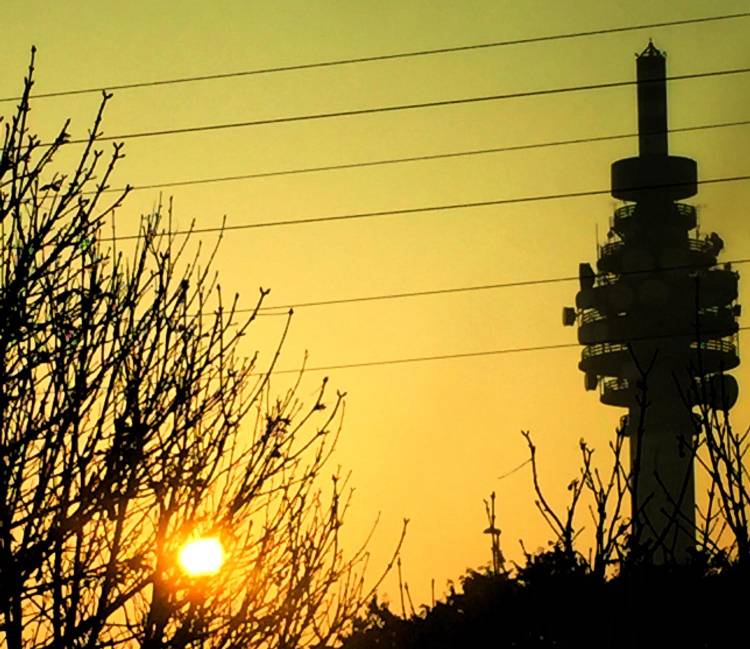
When your tree touches the power lines on your property, electricity can pass through the tree, causing electrocutions and fire hazards if left unattended. In severe cases, a power outage can affect the entire neighborhood, causing inconveniences and disrupting daily routines. As a reputable tree care company, we can help you understand the gravity of these risks and recommend effective solutions to prevent costly damages.
Trees rubbing against power lines not only cause physical damage but also a range of operational and safety hazards. The last thing you want is a tree on your premises to conduct electricity, electrocuting bystanders or causing fires. Once you notice a tree touching power lines directly, call a trusted tree service or the utility company to avoid such scenarios.
In addition, the electrical arc between a power line and a tree can ignite surrounding vegetation, causing wildfires or costly property damage. It is vital for utility companies and homeowners to manage greenery near power lines, implementing routine maintenance like trimming, pruning, or complete tree removal if necessary. Proactive tree management goes a long way to ensure public safety and reliable power supply.
As stated, a tree touching power lines is a safety risk if left unattended. However, knowing who to call can help to resolve the problem safely and efficiently. If you are dealing with a tree touching power lines on your property, contacting your utility and tree care company is the first step. Unlike untrained individuals, professionals leverage extensive expertise and training to handle the dangers associated with trees growing near power lines.
Tree service providers in Loganville also have the tools and knowledge to inspect and address the problem before things worsen. Sometimes, utility companies and arborists work together to manage trees in sensitive areas while complying with local and municipal laws. Even if you have experience with DIY projects, trees touching power lines should be left to certified technicians.
Most tree companies have seasoned arborists with vast experience dealing with such situations. This gives you peace of mind, knowing they have the expertise needed to maneuver the process without compromising your family’s safety and well-being. While branches rubbing against power, lines might not raise concerns initially, delaying professional intervention can wreak havoc and costly repairs. Contact us at the Driscoll Tree Service and schedule a consultation with our experts to understand the importance of preventing trees from interfering with utility lines.
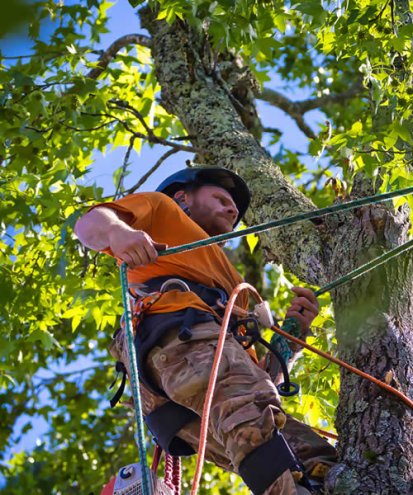
Eco-Friendly Tree Removal Trees are valuable entities in our ecosystems, providing habitats for wildlife, absorbing carbon dioxide, and improving the planet’s overall health. However, there are instances when tree removal is the best option to protect your yard from diseases,…
Read More
The Best Landscaping Services for Residential and Commercial Properties Landscaping enhances residential and commercial properties’ aesthetic appeal, functionality, and overall value. When most people think of landscaping, images of lush green lawns and vibrant gardens come to mind. However, landscaping…
Read More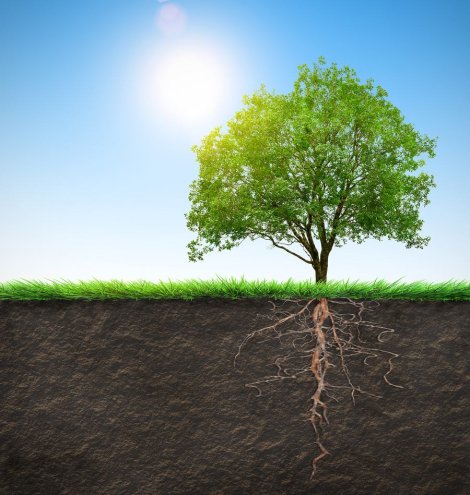
What Are Hidden Underground Hazards? Underground hazards are often overlooked, yet they pose significant risks to public safety, infrastructure, and the environment. These hazards range from natural occurrences to human-made dangers, and knowing them is crucial for any property owner.…
Read More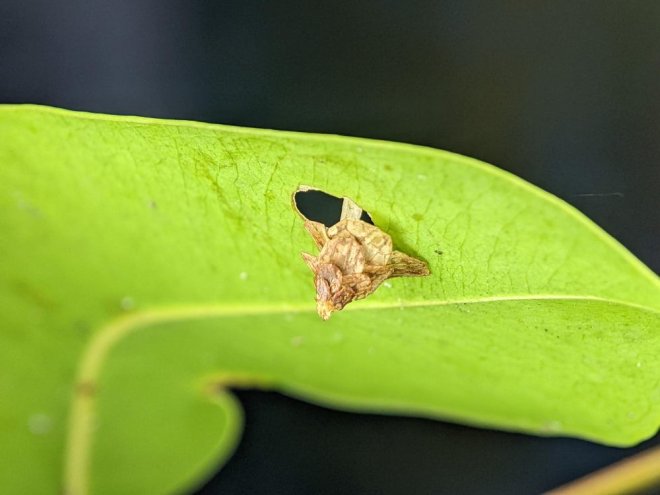
The Hidden Dangers of Bagworms Bagworms are a type of moth larvae that can wreak havoc on trees and shrubs, causing severe damage and premature tree removal projects. Despite their small size and discreet appearance, these pests pose hidden dangers…
Read More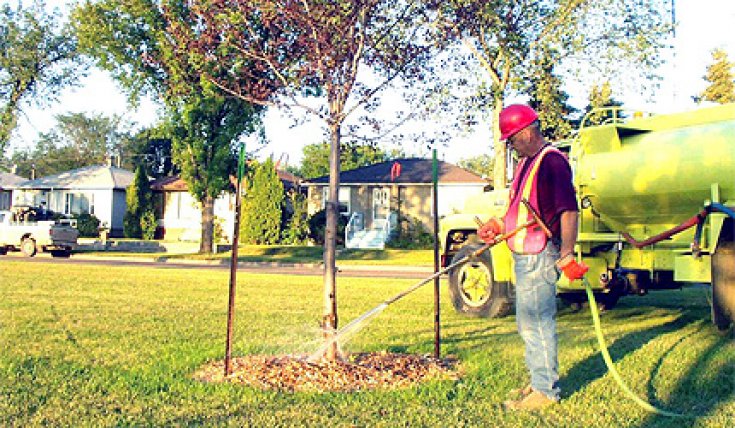
Three Signs You Are Overwatering Your Trees Are you having a problem with your trees? Driscoll Tree Service can help to inspect every tree in your yard and recommend solutions to maintain healthy and robust trees. A common tree problem…
Read More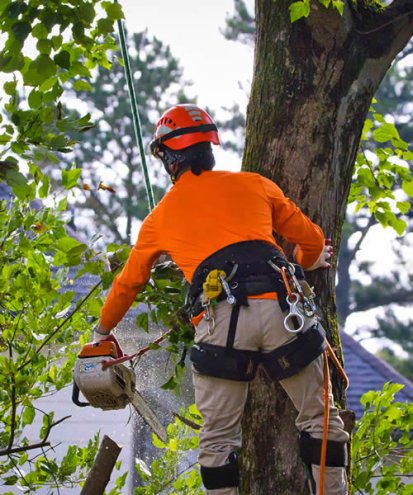
Tree Trimming Safety Tips Tree trimming is a vital aspect of landscaping and garden maintenance that helps keep trees healthy and aesthetically pleasing. However, it can also be hazardous if not done correctly, causing severe damage and premature tree removal.…
Read More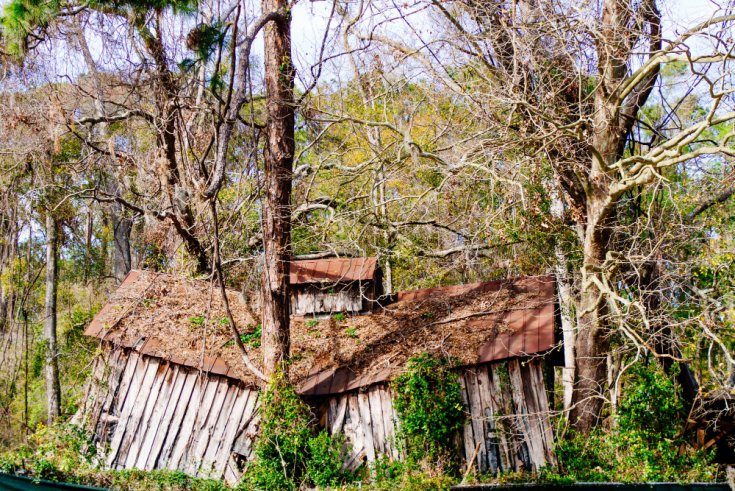
How Overgrown Trees Damage Roofs and Foundations Trees are part of what makes landscapes and the environment thrive. However, these magnificent entities can overgrow, leading to subtle yet noticeable damage to your home or business. While many people often focus…
Read More
When Is It Time to Say Goodbye to a Tree? Signs Your Tree Might Be Better Removed There’s nothing like sitting under a shady oak on a hot Georgia afternoon or watching the dogwoods bloom in spring. We love trees…
Read More
Top Reasons to Hire a Certified Arborist for Tree Services Trees are among the best investments you can make in your property. They offer aesthetic, provide shade, increase home value, and can even give you delicious fruit to enjoy. However,…
Read More
How to Find a Reliable Tree Service Company Trees are incredible ornaments that beautify the landscape and increase the value of properties. They can also provide fruits and much-needed shade as well as protection from high winds. Unhealthy and disheveled…
Read More