Menu
Menu
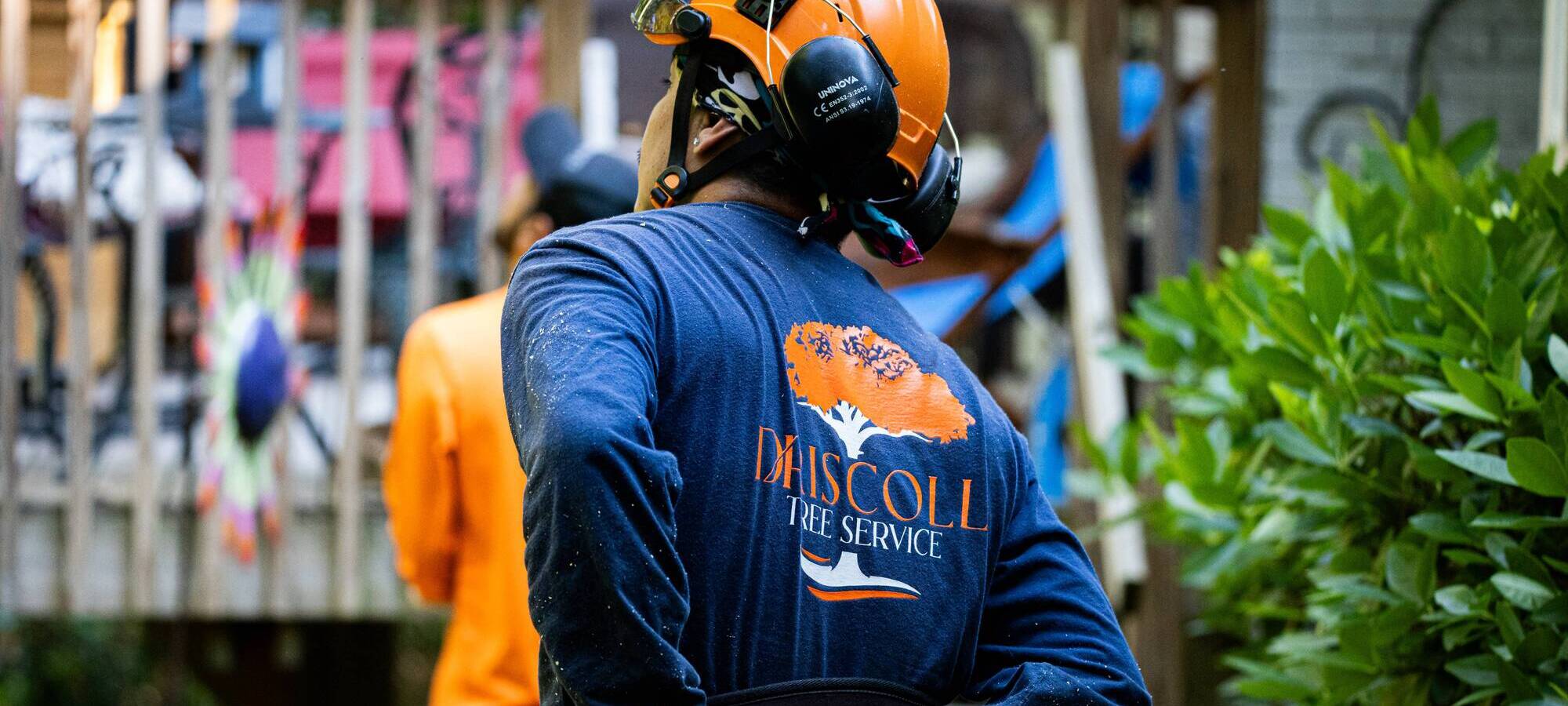

I was very impressed with how quickly and professionally they worked. They were in and out in an afternoon. They had to remove a giant Red Oak, and did so with great skill and speed. Their price is very affordable and beats out most of the competition around. I highly recommend Driscoll Tree Service. We will use them again for all of our future tree removal needs! Seriously, give them a call. They are awesome!
We called to have two large pine trees removed since they were in the way of where we needed to put our fence. We are slackers and always wait until the last minute to do anything so of course, we tried to find someone that could take these out quickly as we needed it done ASAP. These guys came out the same day I called and were able to get them out the next day. I was so impressed by how nice and professional they are, it’s nearly impossible to get anyone to come out and/or follow up with anything so it was extremely refreshing that they did both without me having to call and ask what the hold up was. I will forever use this company for future needs. Thank you again!!
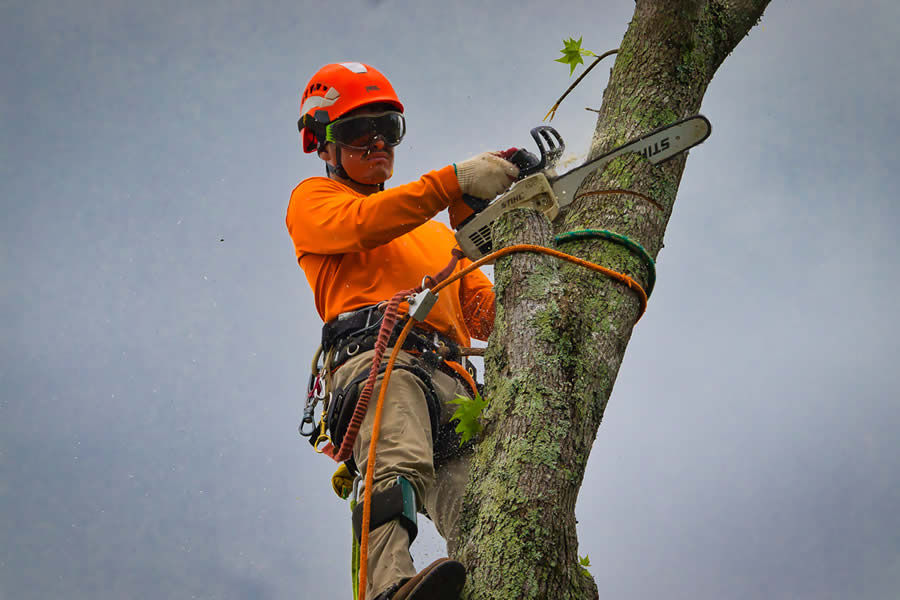
A good shade tree is a must if you live in an area where the temperatures tend to rise in the spring and summer. Choosing the right trees can not only offer a cool place to enjoy your outdoor space all year long, but they can also improve curb appeal and might even help reduce utility costs. The team at Driscoll Tree Service enjoys helping local customers find ways to improve their landscape with trees. Our technicians offer reliable tree service, including emergency tree removal. If you're interested in planting a few shade trees but aren't sure which species will work best, read below for the top three choices.
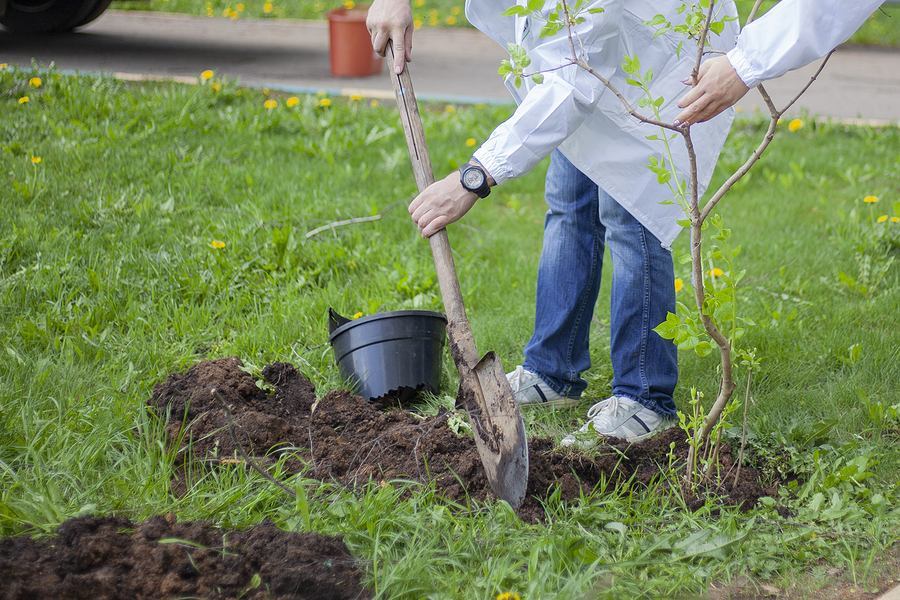
Oak trees are a great addition to any landscape, providing shade and beauty for many years. But did you know that oaks also offer many other benefits? Here are just a few reasons why oak trees are great for your yard:
There are many reasons why tulip poplar trees are great for shade. They are fast-growing, reaching a height of up to 80 feet in just a few years. They have large, deeply lobed leaves that provide dense shade and turn a beautiful golden yellow in the fall. Tulip poplars are also relatively pest and disease-resistant, making them a low-maintenance choice for shade. When it comes to growing preferences, tulip poplars prefer full sun and moist, well-drained soil. They are adaptable to various soil types but will not tolerate wet, boggy conditions. For best results, plant tulip poplars in an area that receives at least six hours of direct sunlight daily. Once established, they are relatively drought-tolerant and will not need supplemental irrigation unless conditions are extremely dry. With their fast growth rate and ability to thrive in a variety of conditions, tulip poplar trees make an excellent choice for those looking for an attractive shade tree and are sure to add significant value to your home.
Gingko trees are fast-growing and can reach 40 to 50 feet, making them an ideal option for shading a house or patio. Ginkgo also has a deep root system that helps stabilize the soil and prevent erosion. In addition, their leaves turn a beautiful yellow color in the fall, adding an extra touch of color to the landscape. Gingkos prefer full sun but can tolerate partial shade. They are also relatively drought-tolerant once they are established. Given their many benefits, it's no wonder that ginkgo trees are such a popular choice for landscaping.
While you may be ready to invest in landscaping services, planting new trees can be difficult if you have old, dying trees or leftover tree stumps in the way. The team at Driscoll Tree Service offers emergency tree removal and other specialized services that can help keep your yard safe and beautiful long term. Contact our office for more information about our offerings or to schedule a time for your next emergency tree removal or professional tree service.
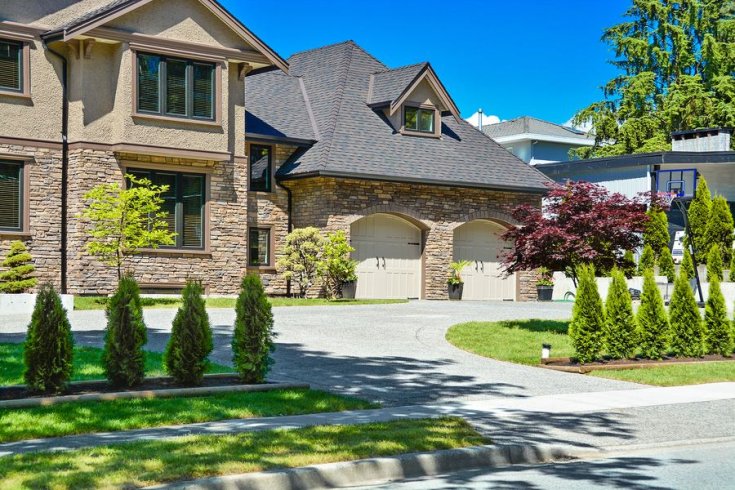
Can You Cut Your Neighbor’s Overhanging Tree Branches? Neighborly conflicts are common among many homeowners, the most common being trees or branches hanging from the neighboring yard. If you’ve asked your neighbor to remove the branches with no luck or…
Read More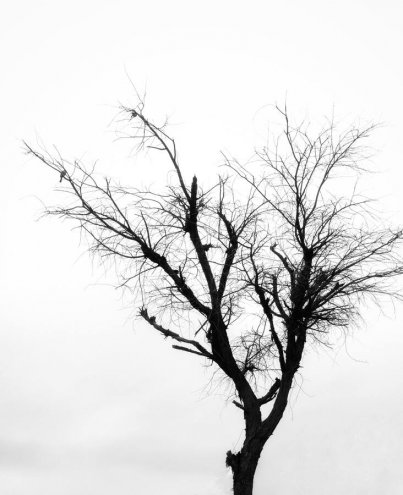
5 Common Reasons Why Your Trees Die? Trees enhance the aesthetics of any living space and contribute to the local ecosystem. However, trees are susceptible to infections and infestations, causing premature death. A dying or dead tree in your backyard…
Read More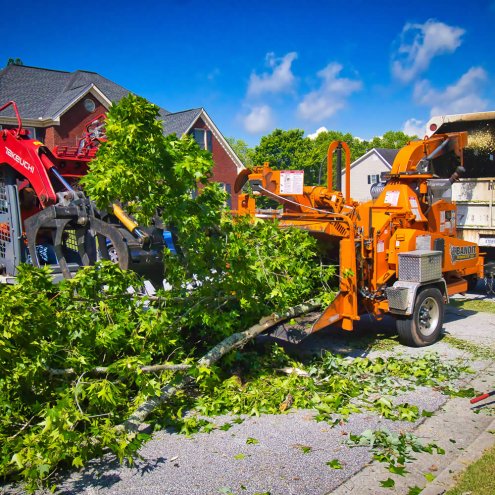
The Dangers of Ignoring Tree Removal Trees are not only nature’s exquisite creations but also valuable assets that enhance the beauty and character of your landscape. Their presence provides shade, improves air quality, and contributes to the overall aesthetics of…
Read More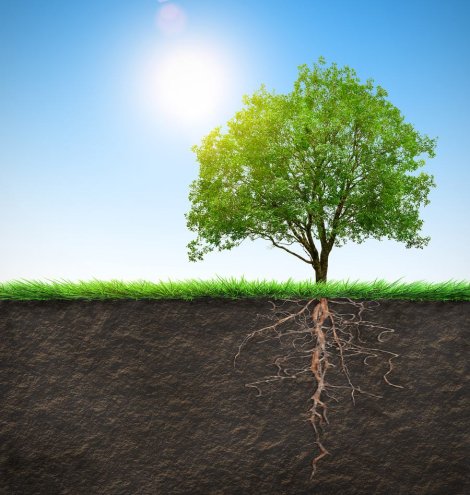
Benefits of Trees Did you know trees cover nearly 40% of the country? Despite trees' many benefits, they are often overlooked and may not receive proper care. At Driscoll Tree Service, we appreciate the role of trees in the ecosystem…
Read More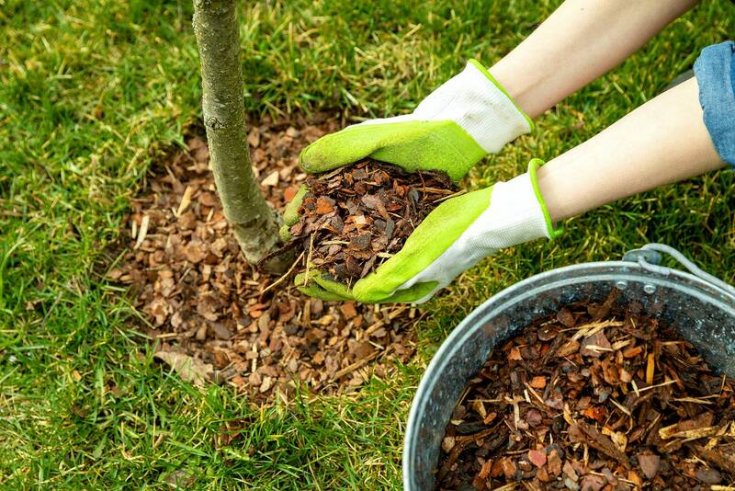
The Importance of Mulching Newly Planted Trees Regarding landscaping and gardening, the intricacies of nurturing nature’s wonders are both an art and a science. One crucial aspect that often goes unnoticed but is paramount is mulching newly planted trees. Mulch,…
Read More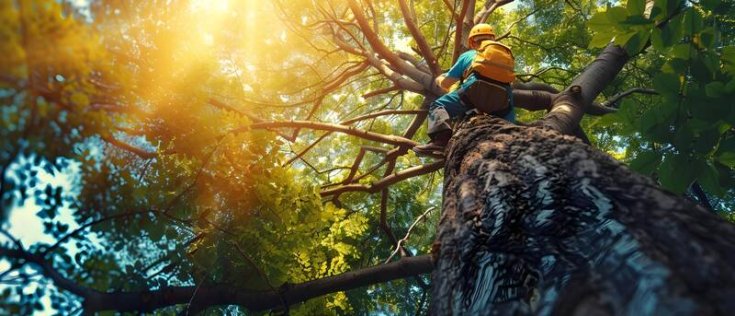
Is That Leaning Tree Dangerous? Here’s What Homeowners Should Know There’s nothing quite like the beauty of a big, healthy tree standing tall in your yard. Whether it’s a towering oak providing shade or a row of evergreens lining your…
Read More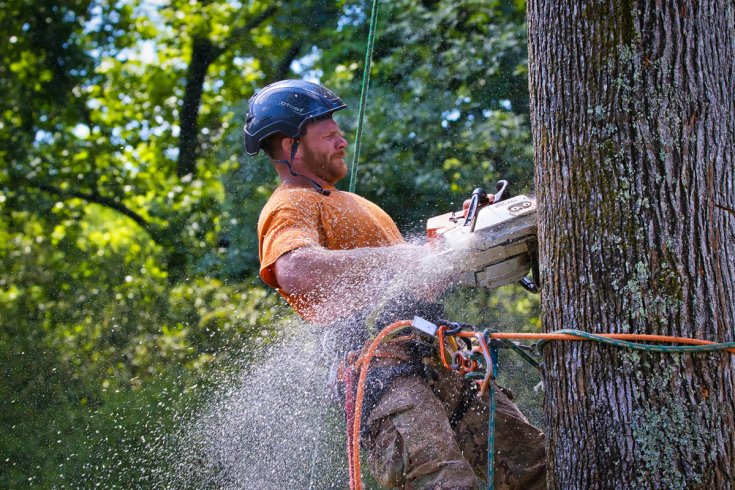
Why Dead Trees Should Be Removed Trees are a valuable addition to any landscape. However, dead trees pose safety hazards and should be removed before things get out of hand. Many property owners usually ignore telltale signs of deterioration until…
Read More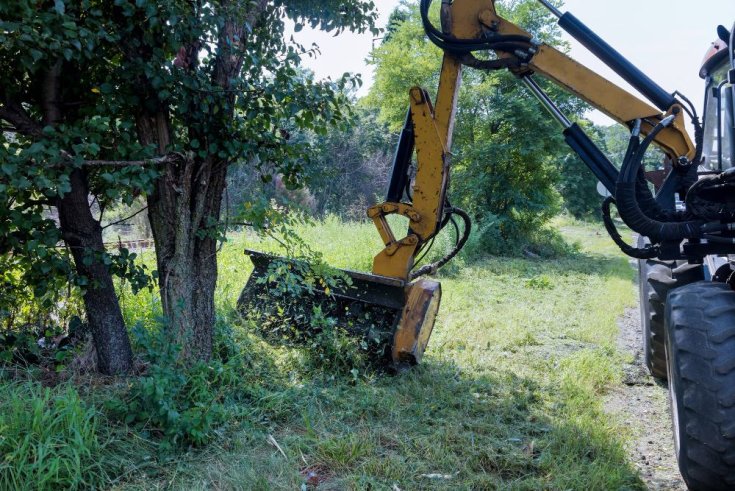
Common Land Clearing Mistakes You Should Avoid Land clearing is an essential step in many residential and commercial development projects, whether building new infrastructure, expanding urban areas, or creating agricultural fields. However, the land-clearing process can be overwhelming, increasing the…
Read More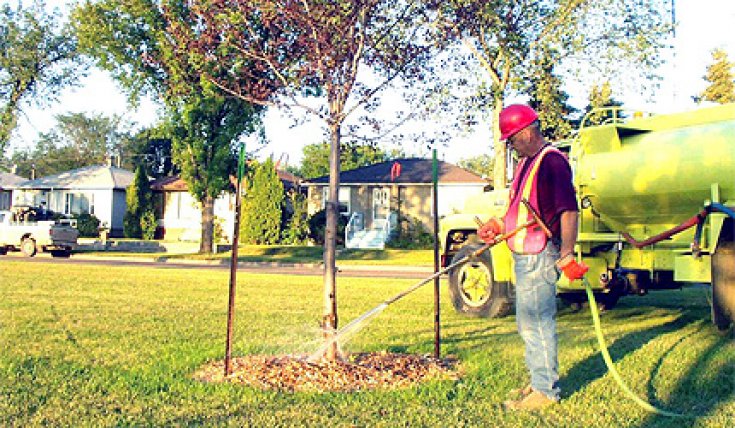
Three Signs You Are Overwatering Your Trees Are you having a problem with your trees? Driscoll Tree Service can help to inspect every tree in your yard and recommend solutions to maintain healthy and robust trees. A common tree problem…
Read More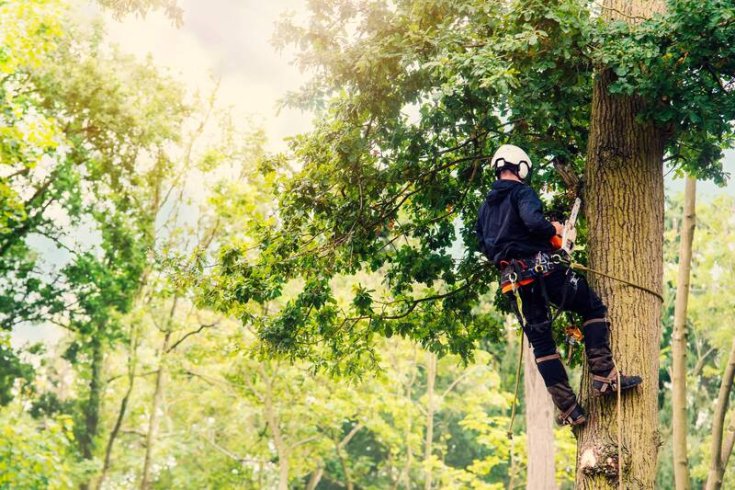
What Equipment Do Tree Removal Professionals Use? A tree removal is rarely the first choice… and it shouldn’t be. At Driscoll Tree Service, we will always explore ways to preserve a tree before recommending removal. However, removal becomes the only…
Read More