Menu
Menu
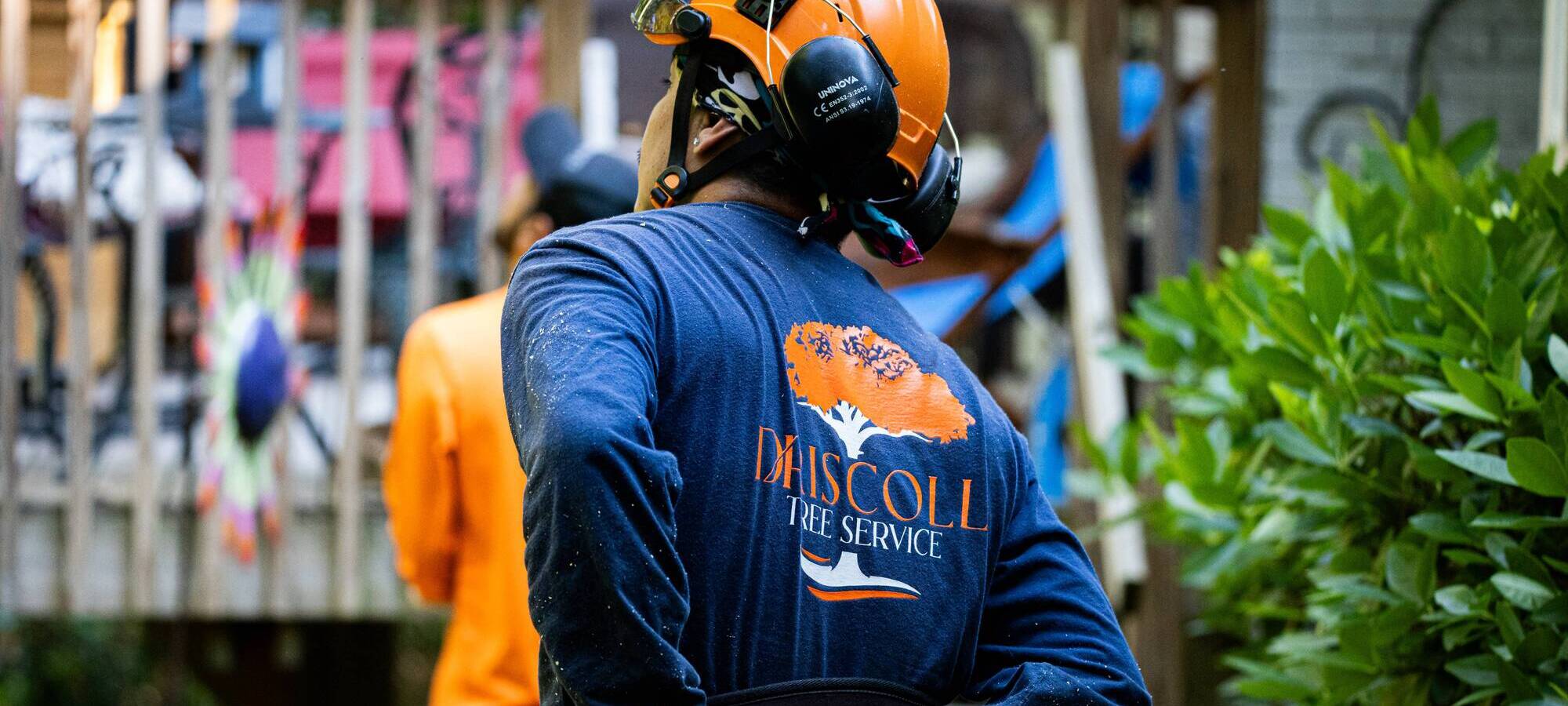

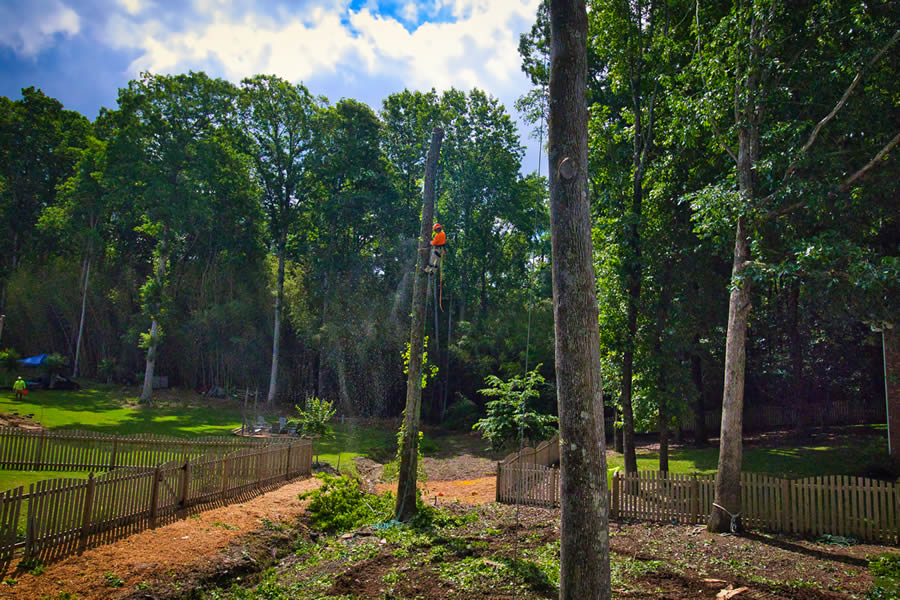
The service for Driscoll Tree Service was outstanding. Michael came out to meet with me, explained the pros and cons of how to deal with my tree removal, and provided a clear quote for the service. The crew that came out to do the work was on-time, professional and did a great job. One of the trees they had to remove was tall and in a spot where they couldn't get any heavy equipment to it, but they were able to take it down in pieces without damaging my landscaping or fence. If you are looking for a professional and competent tree service, I definitely recommend calling Driscoll Tree Service.
I had a large oak tree taken down near power lines and an outdoor kitchen. I was well informed about the work they were going to do and how long it should take. The team was professional, fast and dropped the tree safely. They used a bucket truck and climber to trim branches from the top half of the tree with no damage to the yard around the tree. I am extremely pleased with Driscoll Tree service work.
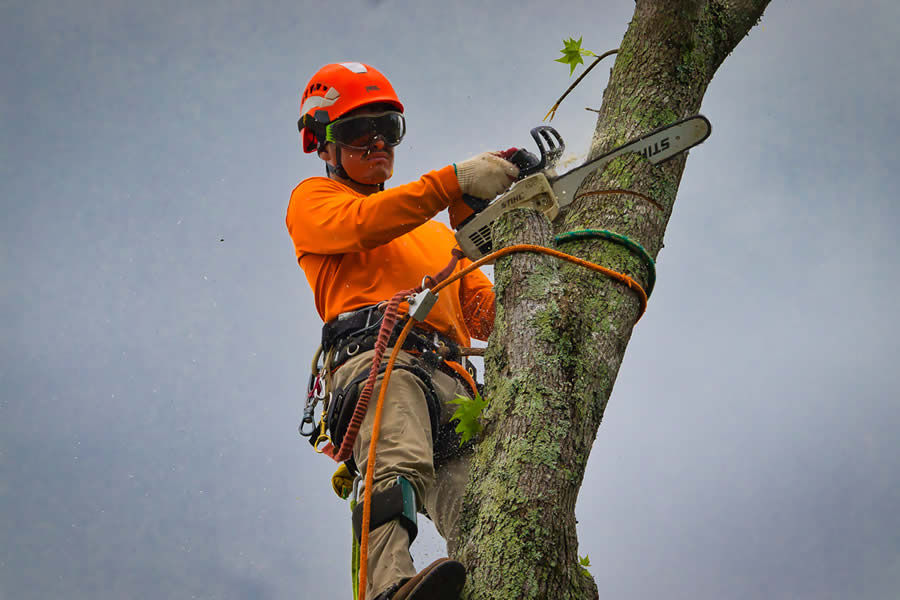
Trees are a valuable addition to any landscape; after spending a lot of time with them, you can tell when something is off. Some signs of damage can be detected easily, whether it’s a chunk of bark missing near the trunk, mold growth or brown leaves. However, the severity of damage is another crucial factor that is difficult to determine without the knowledge and expertise required. If you suspect your tree is not in the best condition, it may be time to contact a professional tree care company.
At Driscoll Tree Service, we have a team of well-trained and experienced arborists ready to help you maintain a healthy landscape throughout the year. Severe deterioration can be prevented if trivial signs are addressed early. Here are some key points to note when assessing if a tree is dead.
Property owners need to understand the difference between a sick and a dead tree. A sick tree can be salvaged if you intervene quickly, while it can still be preserved. Dead trees can’t be salvaged and pose a severe safety risk to everyone. In both cases, you must respond quickly and appropriately, hence the need to hire a trusted tree service provider for professional help.
Some common signs of a dead tree include mushrooms growing near the roots, dead branches that don’t have any foliage or bugs, cracks in the trunk, and peeling bark. These signs are easily observable and require immediate action to guarantee the safety of your premises. If you see any of these signs in your backyard, you need to call a tree care company as soon as possible.
One way to tell if your tree is dying involves scratching the surface of the twigs. A green and moist feel underneath the surface means it is still alive and can be salvaged. However, if the branch is brittle and brown when you scratch the surface, you need to consult a tree service provider. We can assess the surrounding foliage to determine the extent of damage and whether it can be salvaged.
Our professional arborists can conduct other tests that are more accurate to ensure the tree is dead before recommending a viable solution. You can rely on us to provide quality tree removal before you incur costly damages and safety hazards because of falling branches.
If a tree is still alive, but there are visible signs of deterioration, you must act quickly before it dies. Although you can take many DIY alternatives without the experience and standard industry tools, you risk further damage to your tree and home. The most effective solution is calling a professional tree care company for maintenance inspections. This allows us to assess, diagnose, and address issues before they cause irreversible damage.
Contact us at Driscoll Tree Service and schedule an appointment with our highly experienced arborists. Learn how to maintain healthy trees throughout the year and enjoy exceptional services without breaking the bank.

How Proper Tree Care Can Support Wildlife Trees are magnificent additions to any landscape and the environment. Like most living things, proper care and maintenance go a long way to enhance aesthetics, health, and longevity. A healthy tree provides shelter…
Read More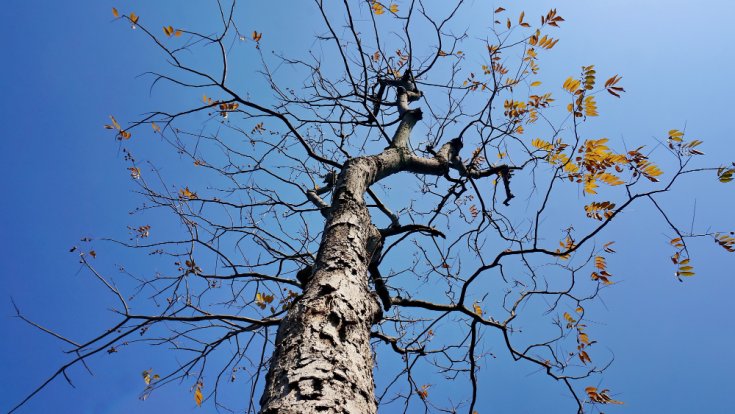
Cracks, Rot, and Weak Branches: When to Call a Tree Service Trees are magnificent entities that provide numerous benefits to our landscapes and the environment. From adding shade and beauty to purifying the air we breathe, we rely on trees…
Read More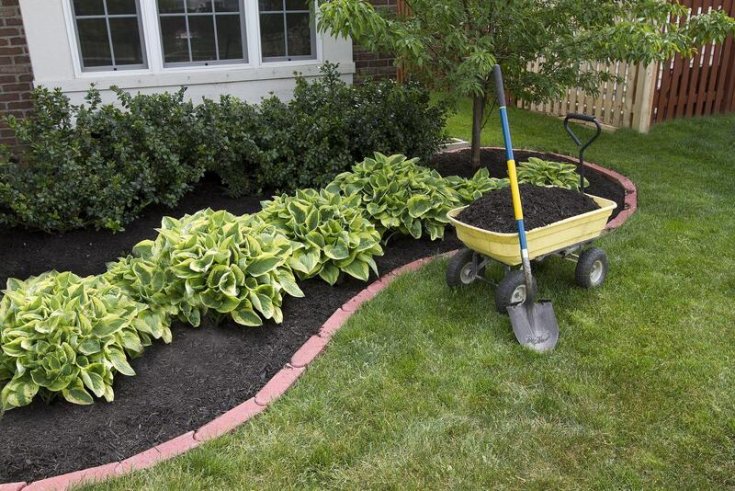
What are the Benefits of Brush Mulching? Mulching is a standard tree care practice that helps with moisture retention and soil nourishment. While there are several mulching techniques, brush mulching offers a sustainable solution to land management, as it entails…
Read More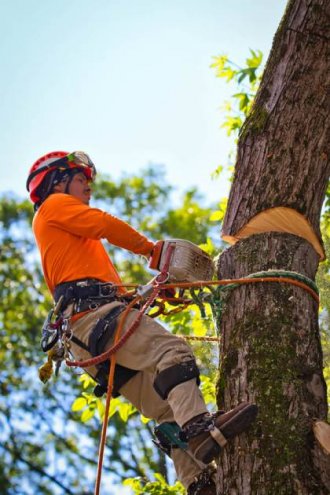
Factors That Affect Tree Removal Cost Trees are valuable additions to any landscape, but sometimes you must remove them. Whether it’s a dying, dead, or potential hazards tree, you should immediately hire a professional tree care company to address the…
Read More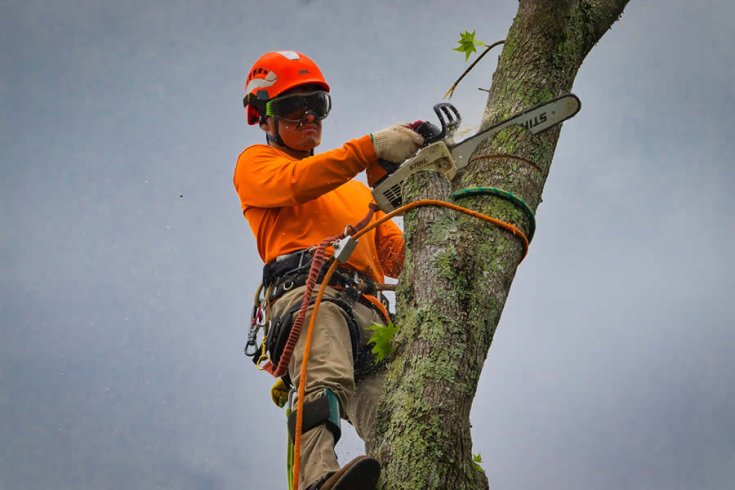
Factors to Consider When Choosing a Tree Service Company Maintaining the health and aesthetics of your trees is crucial for the safety and beauty of your property. Whether it’s pruning, trimming, or tree removal, choosing the exemplary tree service can…
Read More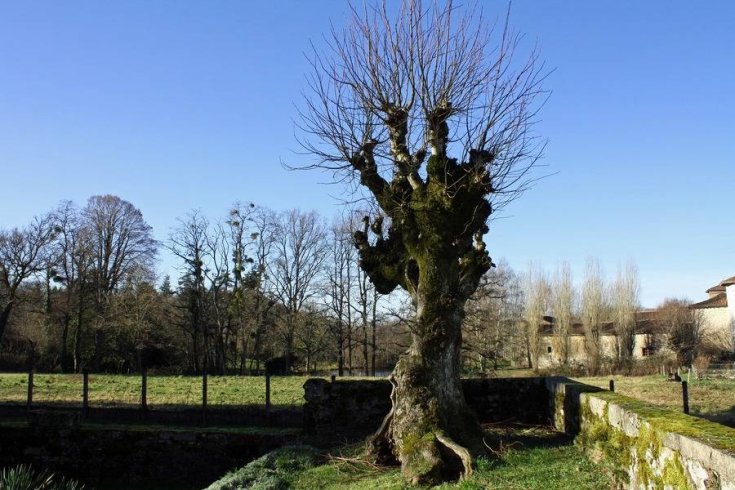
Why My Trees Look Bad Trees are alive and need regular care. Like most living things, they can get injuries or diseases. While it is not always easy to identify signs of infection or infestation in trees, you may have…
Read More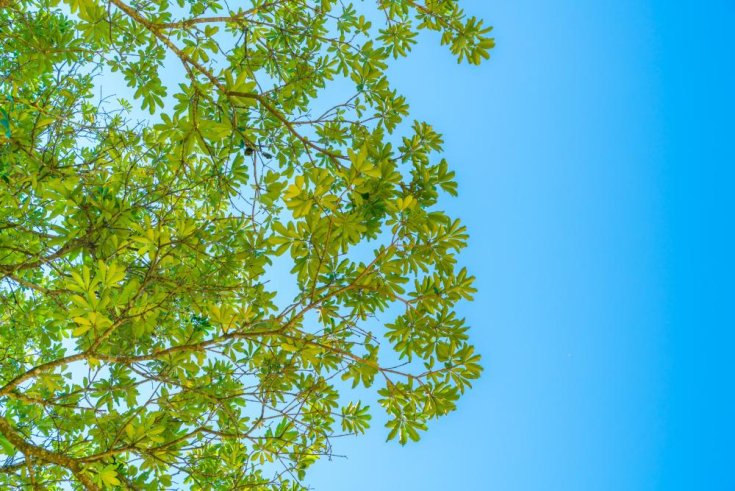
How Shade Trees Benefit Us As the temperature increases, many people seek refuge indoors. However, shade trees can protect you from the heat and sun, allowing you to undertake various outdoor tasks. Whether you want to grow birch or maple…
Read More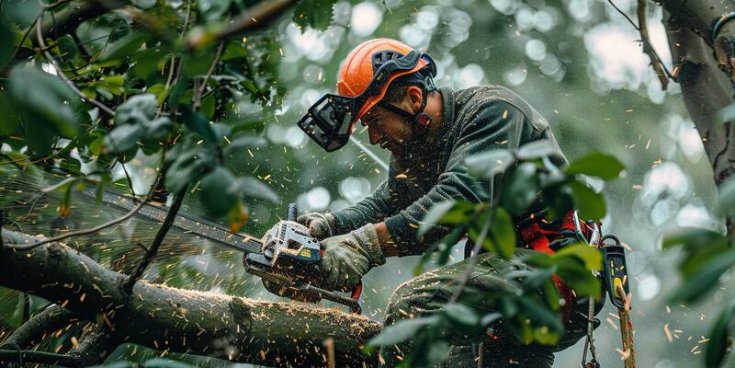
Seasonal Tree Care Tips to Keep Your Yard Healthy Tree care is not a one-and-done ordeal; a beautiful and healthy yard demands constant attention. That doesn't mean you have to sit at your window and watch the trees 24/7, but…
Read More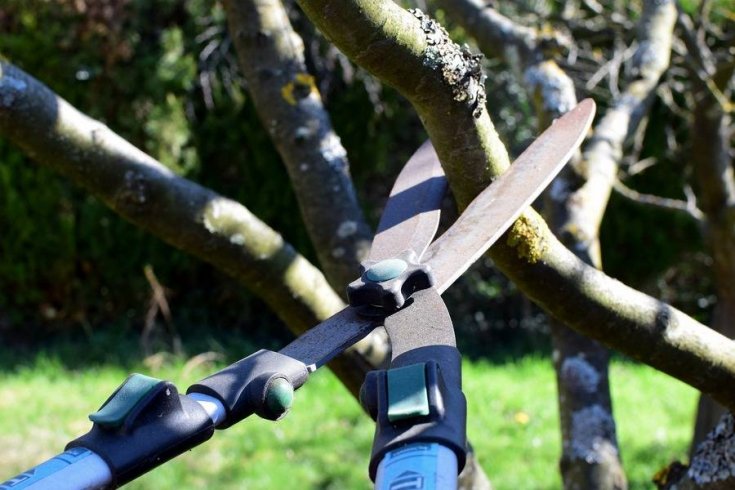
3 Commonly Used Tree Trimming Tools Trees offer many benefits, making them a valuable addition to any landscape. Like most living things, proper care is vital for growth and development, hence the need to schedule routine inspections with a professional…
Read More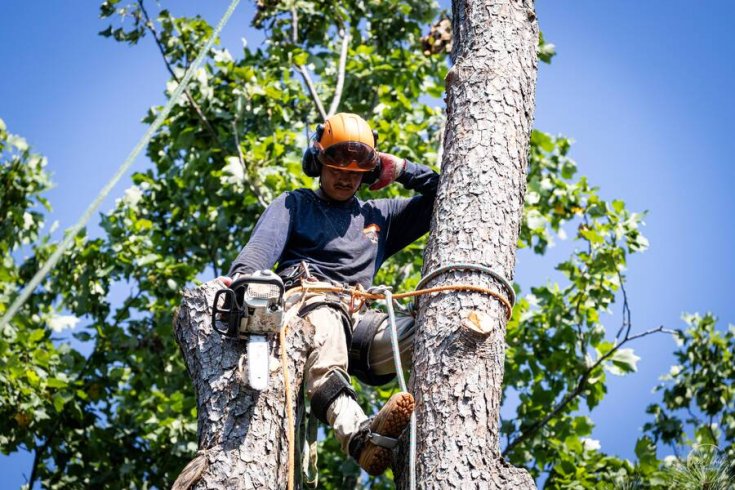
Common Mistakes to Avoid When Trimming Trees and Bushes Trees and bushes are more than just “greenery” - they’re living features that shape the personality, health, and curb appeal of your lot. Regular trimming keeps them healthy, well-shaped, and safe.…
Read More