Menu
Menu

Great job they removed a big tree stump on our property with no problem and at a better price than the others guys wanted to charge us. Driscoll Tree Service team was on time and had the right equipment and got right to work.
We called to have two large pine trees removed since they were in the way of where we needed to put our fence. We are slackers and always wait until the last minute to do anything so of course, we tried to find someone that could take these out quickly as we needed it done ASAP. These guys came out the same day I called and were able to get them out the next day. I was so impressed by how nice and professional they are, it’s nearly impossible to get anyone to come out and/or follow up with anything so it was extremely refreshing that they did both without me having to call and ask what the hold up was. I will forever use this company for future needs. Thank you again!!
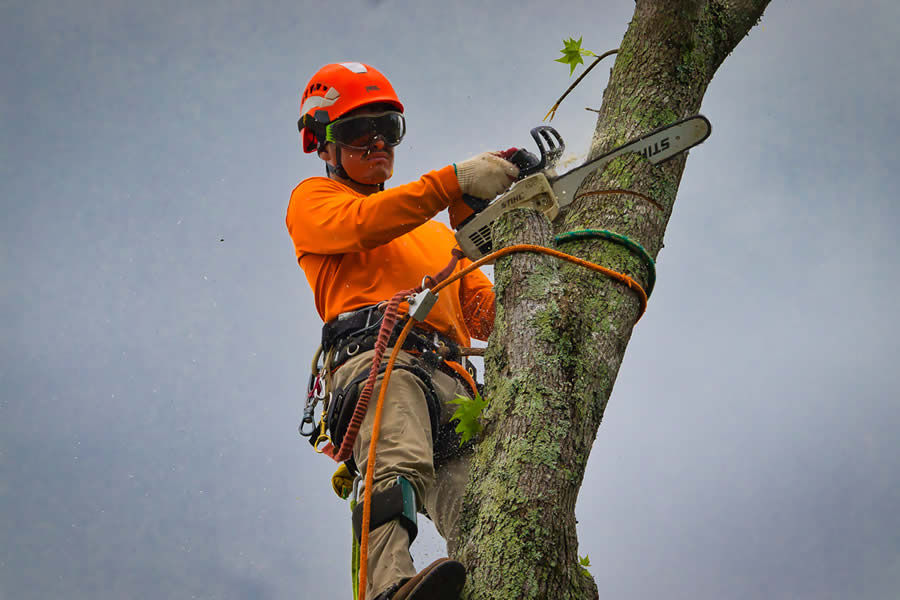
When caring for your trees, there is no room for compromise. Professional arborists understand the importance of using the right tools for the job. Whether it’s trimming branches for aesthetics or maintaining the health and safety of your trees, the choice of equipment plays a crucial role. If you have a pruning project lined up, Driscoll Tree Service can ensure safety and efficiency by using the right equipment. Here are six pruning tools that professional tree service providers rely on to keep your trees in prime condition.
Bypass pruners are the workhorses of any arborist’s toolkit. These handheld pruning shears make precise cuts thanks to their bypass blade mechanism. The two curved blades pass by each other, creating a clean and even cut, promoting quicker healing for the tree.
Our expert arborists use bypass pruners for fine pruning tasks, such as removing small branches of deadwood or shaping the canopy. These tools have an ergonomic design and are easy to use, making them indispensable for any tree service provider.
As a reputable tree care company, we turn to bypass loppers for thicker branches that bypass pruners can’t handle. These elongated pruning shears provide extra leverage and reach to trim branches up to 2 inches in diameter or more. Like bypass pruners, they feature the bypass blade mechanism, ensuring clean and efficient cuts.
Bypass loppers are essential for maintaining the structural integrity of your trees, as they can remove heavy, unwanted growth without causing further damage and tree removal emergencies.
When dealing with larger branches or limbs, pruning saws is a must-have tool for arborists. These saws come in various styles, including folding saws and pole-mounted saws, to address different pruning needs.
Pruning saws enhance precision and control while cutting through thicker wood. Their sharp teeth and sturdy construction allow arborists to make clean cuts without damaging the surrounding bark, which is crucial for the tree’s health. The last thing you want is to cause irreversible damage, leading to premature tree removal.
Pole saws extend the reach of arborists in Winder, GA, making it possible to trim top branches without climbing the tree or using a ladder. These tools include a saw blade mounted on a telescopic pole, offering versatility and safety in tree pruning.
Professional-grade pole saws are lightweight and sturdy, allowing arborists to navigate through tree canopies with ease. They are invaluable for maintaining the health and appearance of tall trees, ensuring that no branch goes unattended.
Anvil pruners differ from bypass pruners in their cutting mechanism. Instead of two blades passing each other, anvil pruners have a single sharp edge that cuts against a flat surface. These pruners are excellent for cutting dead or hardwood, as they provide extra power.
Tree service experts use anvil pruners when dealing with dead or diseased branches that require clean removal. However, they are less suitable for live wood, as their cutting style can crush and damage healthy branches if not used correctly.
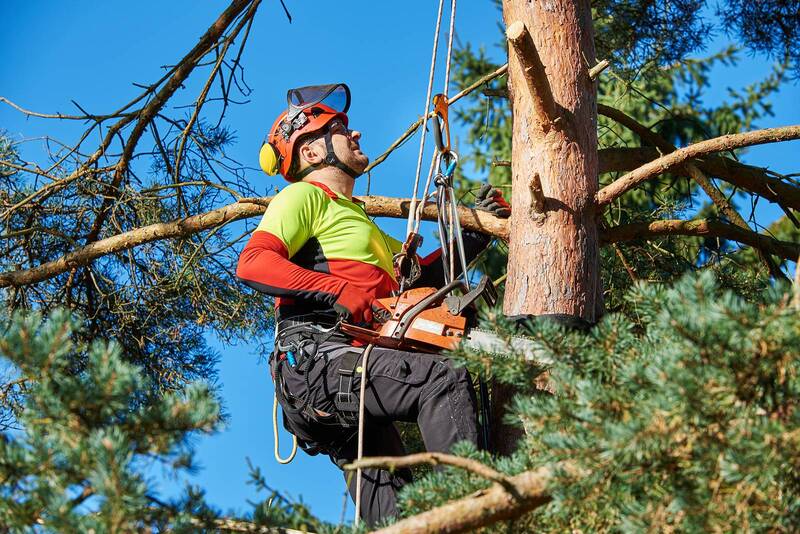
Chainsaws are the heavy artillery of tree pruning tools reserved for significant tree removal and intensive pruning tasks. Professional arborists rely on chainsaws to tackle large tree branches, trunks, and even whole trees when necessary.
Chainsaws come in various sizes and types, from gas-powered to electric models, each designed for specific applications. When used by trained DIYers, chainsaws can cause severe damage and injuries. A tree care company can guarantee precision in removing or pruning large tree sections while prioritizing safety efficiently.
The selection of tree pruning tools plays a vital role in maintaining the health, safety, and aesthetics of your trees. Professional arborists understand the importance of using the right tool for each specific task, whether it’s the precision of bypass pruners, the reach of pole saws, or the power of chainsaws. Contact us at the Driscoll Tree Service for quality services at competitive market rates.

How Proper Tree Care Can Support Wildlife Trees are magnificent additions to any landscape and the environment. Like most living things, proper care and maintenance go a long way to enhance aesthetics, health, and longevity. A healthy tree provides shelter…
Read More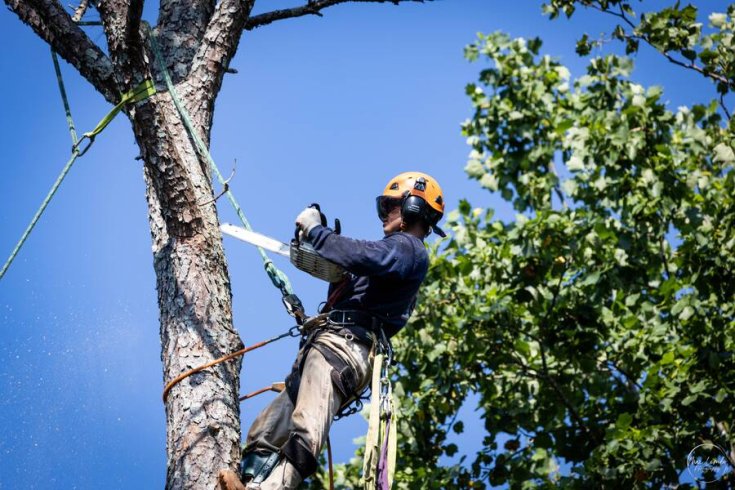
When most people hear the word pruning, they probably think of someone snipping away at tree branches with big clippers. While that’s technically true, tree pruning is way more complex - and interesting - than just cutting random limbs. Pruning…
Read More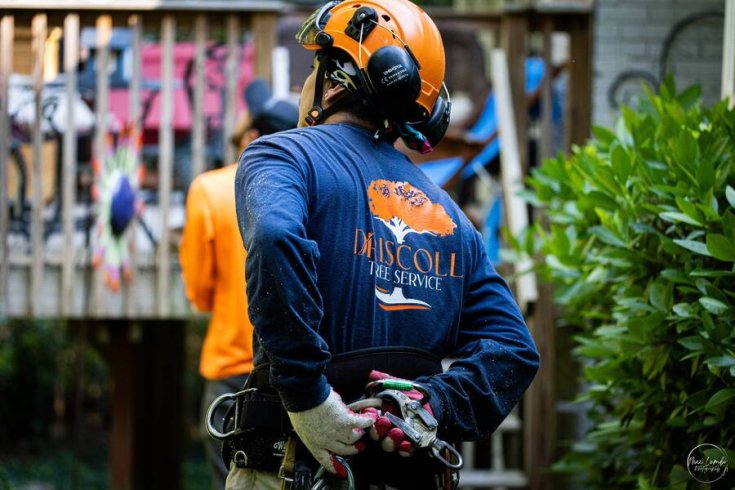
How Can Arborists Improve Your Yard As a property owner, hiring a professional tree service provider in Buford, GA to improve your yard can add significant value to your property. A certified arborist leverages extensive knowledge and experience to inspect,…
Read More
What Happens If Tree Roots Freeze? Wintertime isn’t just tough on plumbing and roofing; it is also brutal on trees. Tree roots can freeze when soil temperatures drop below 15°F or the water within the soil surrounding the roots freezes…
Read More.jpg)
How Arborists Assess Tree Health Before Removal As a property owner, understanding the health of a tree is crucial for maintaining a safe and functional outdoor space. If you suspect a problem or detect indicators of deterioration, a professional tree…
Read More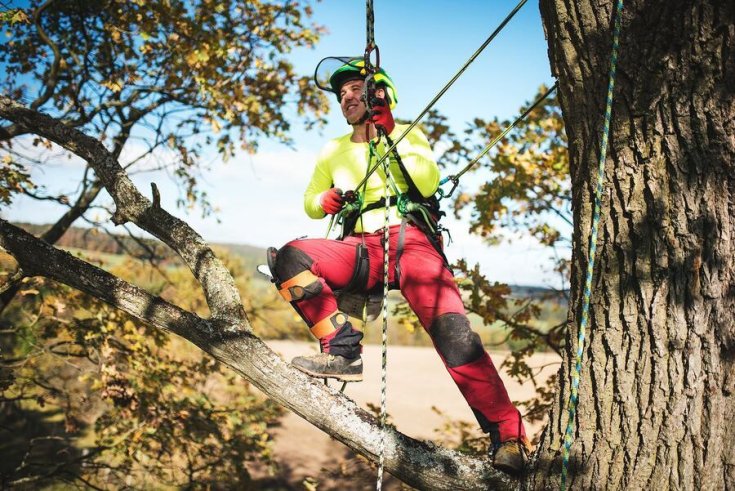
Top Signs You Need an Arborist to Inspect Your Trees Most of us love the trees on our property because they offer shade, beauty, privacy, and even fruit in some cases! Despite our appreciation, how well do we really understand…
Read More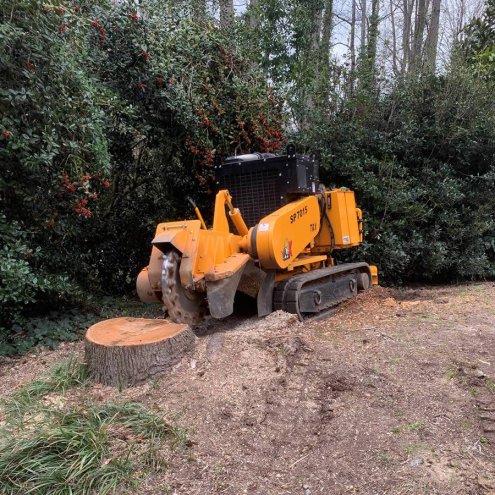
Why Stump Grinding Is an Important Part of Tree Removal We hate to see a tree go. Most homeowners do. After all, trees offer shade, privacy, and character to a yard; some even give us delicious fruit. So, taking one…
Read More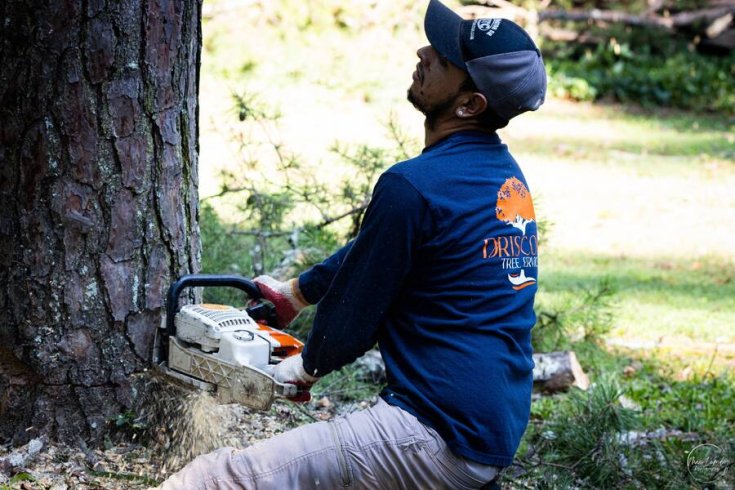
How Much Does It Cost to Remove a Tree? For starters, tree removal should be left to the professionals, whether the tree is big or small. A DIY approach may seem like a way to save money, but we don’t…
Read More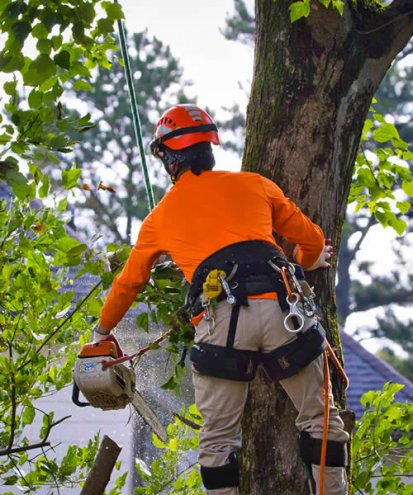
How Bad Pruning Can Damage Your Trees Pruning trees is essential for enhancing your property’s aesthetics and promoting tree health and longevity. When done correctly, pruning can rejuvenate a tree’s growth and improve its appearance. However, bad pruning practices can…
Read More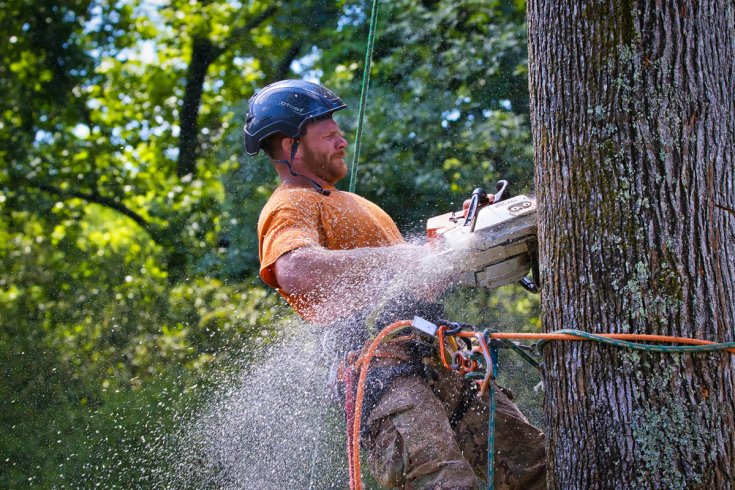
Why Dead Trees Should Be Removed Trees are a valuable addition to any landscape. However, dead trees pose safety hazards and should be removed before things get out of hand. Many property owners usually ignore telltale signs of deterioration until…
Read More