Menu
Menu
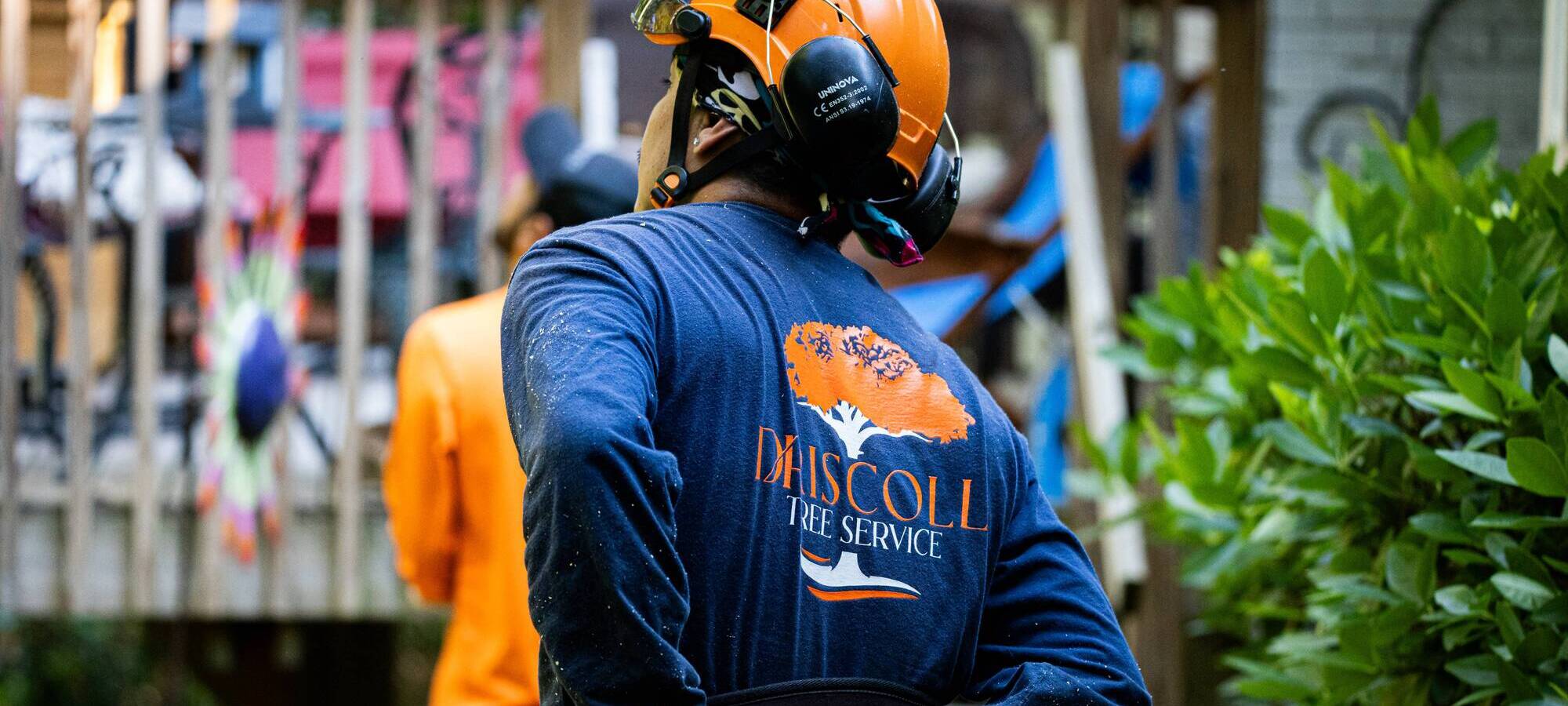

Efficient, Affordable, and Professional what more can you ask for in a company. I had a big tree in my yard that needed to be cut down. From the estimate from Michael and the actual job being performed by his crew, everything was satisfactory. Including the clean-up. They’re also licensed and insured so that made selecting for the job even more comfortable. I highly recommend Driscoll Tree Service for your tree removal.
The service for Driscoll Tree Service was outstanding. Michael came out to meet with me, explained the pros and cons of how to deal with my tree removal, and provided a clear quote for the service. The crew that came out to do the work was on-time, professional and did a great job. One of the trees they had to remove was tall and in a spot where they couldn't get any heavy equipment to it, but they were able to take it down in pieces without damaging my landscaping or fence. If you are looking for a professional and competent tree service, I definitely recommend calling Driscoll Tree Service.
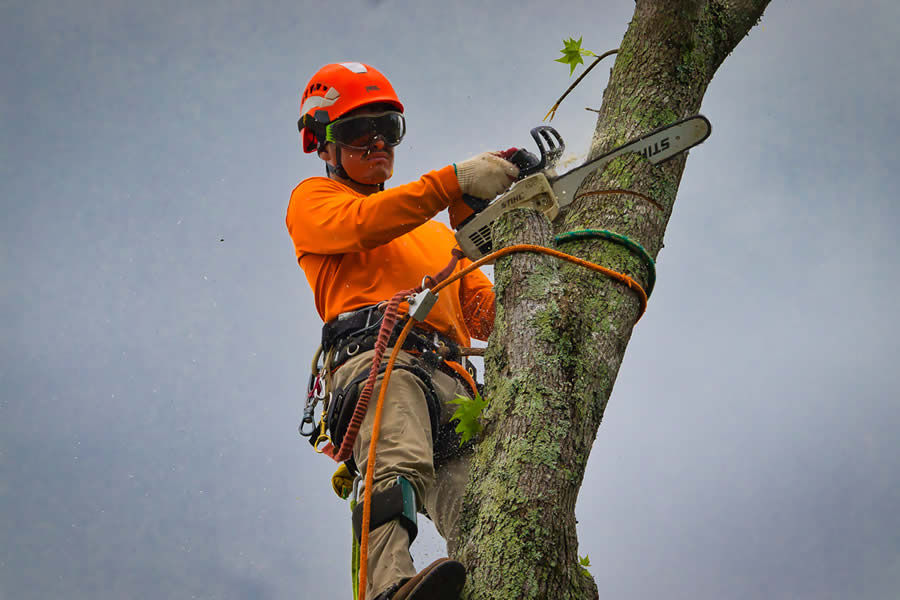
If you recently cut down a tree in your backyard, there’s a chance you need to get rid of the eyesore left behind. While ignoring the stump or waiting for the natural decomposition process are easy and cost-effective alternatives, you risk compromising the safety and aesthetics of your landscape. Driscoll Tree Service is a reputable tree care company ready to help restore your yard’s aesthetics. Many homeowners may opt for traditional stump removal, which is more complex and rigorous, not to mention highly invasive.
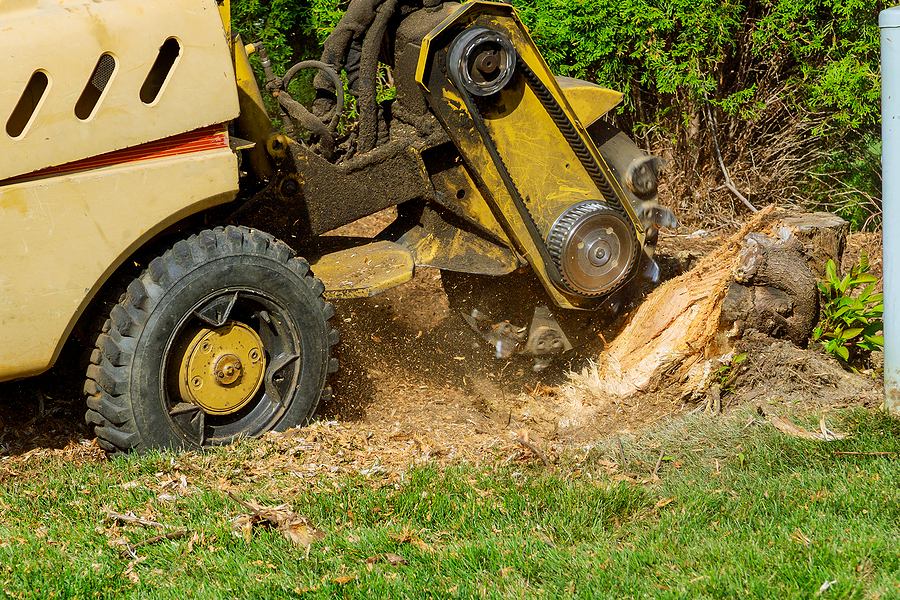
Our well-trained and equipped arborists can determine whether stump removal or grinding is required based on your plans for the property. If you are clearing space for construction, stump removal is the best solution to avoid problems with the root systems. However, stump grinding is definitely the way to go if you want minimum disturbance and optimal efficiency. Here are some differences between stump grinding and removal.
As mentioned, stump removal is a highly invasive technique that involves pulling out the stump along with the entire root system. This entails using heavy-duty equipment to dig deep and extract the remaining part of the tree beneath the ground. Stump grinding is less invasive and incorporates innovative grinders that shred the stump into wood chips until it’s not visible. We usually shed the stump at least 10 inches beneath the surface, creating more space for transplanting without damaging the landscape.
Stump grinding uses innovative equipment to enhance the efficiency of the process without compromising the safety of those around. Homeowners can handle constant dealing with interruptions or tight schedules. With traditional stump removal, you need industry-standard, heavy-duty equipment, which increases safety risks and the project’s overall efficiency. It is essential to remember that a professional tree service provider can recommend both techniques, depending on plans.
Traditional stump removal is considered the most comprehensive technique because it removes the stump and roots. Unfortunately, property owners are left with a massive hole in the ground which is difficult to fill. Stump grinding may not be as comprehensive, but we can ground some stumps up to 18 inches beneath the surface, eradicating any traces of a stump. Before deciding, we recommend consulting a tree care company for professional advice. Grinding also eliminates any chances of the unwanted tree from growing back, and any roots left behind will decay.
Stump removal is a more comprehensive technique, especially when preventing pest infestation. There’s no dead wood left behind to attract unwanted critters to your property or compromise the well-being of surrounding healthy trees. However, we can protect you from such issues after stump grinding by taking measures to protect your premises from pests. We will remove any remaining sawdust that attracts insects and lingering wood that creates the ideal habitat for these nasty creatures.
If you need professional help to decide whether to remove or grind a stump in your backyard, contact us at Driscoll Tree Service and schedule a consultation with our tree service experts. We guarantee exceptional services at pocket-friendly rates.
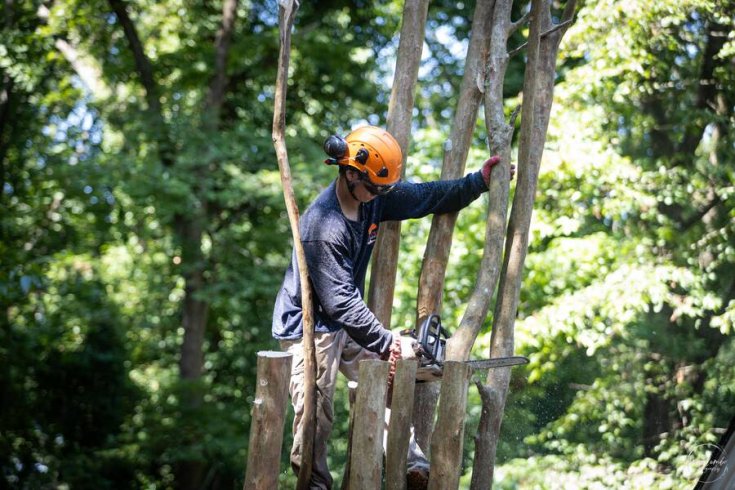
Trees are beautiful, strong, and bring life to your yard - but only when they’re well cared for. Regular tree trimming keeps your trees healthy, prevents branches from growing too close to your home, and reduces the risk of falling…
Read More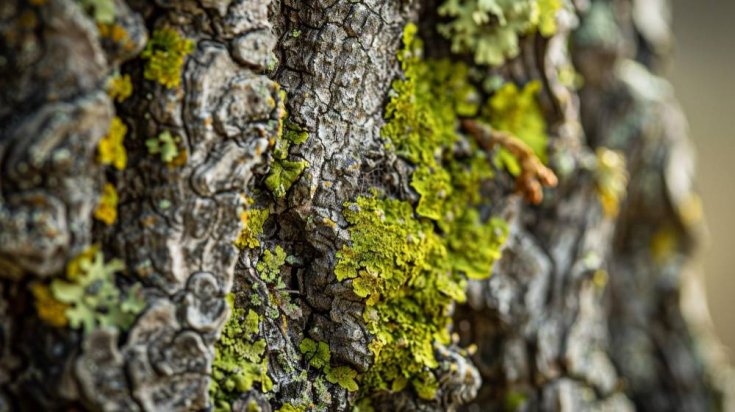
Should You Worry About Lichen on Trees? Lichens are fascinating and often misunderstood. When homeowners notice these growths on the bark of trees, it raises concerns about the health of their yard. If you notice lichens on your trees, consult…
Read More
Why Topping is Harmful for Trees Tree topping is often regarded as a controversial practice in arboriculture. This haphazard tree trimming exercise often causes severe disfigurement, compromising the overall aesthetics of your landscape. While tree topping offers a quick solution…
Read More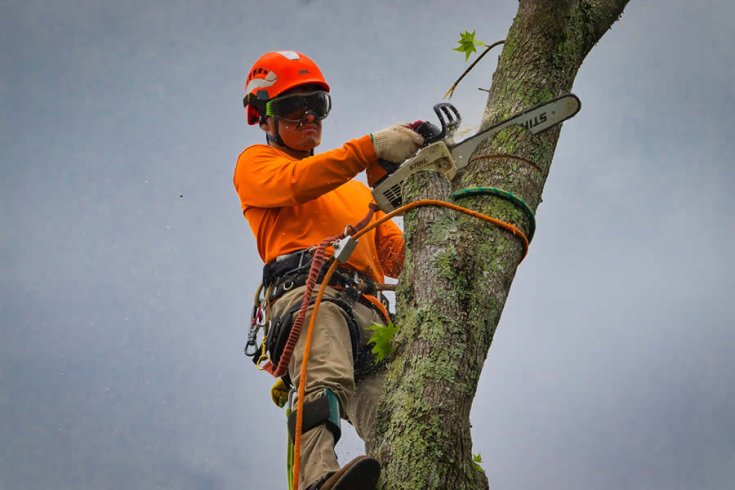
Factors to Consider When Choosing a Tree Service Company Maintaining the health and aesthetics of your trees is crucial for the safety and beauty of your property. Whether it’s pruning, trimming, or tree removal, choosing the exemplary tree service can…
Read More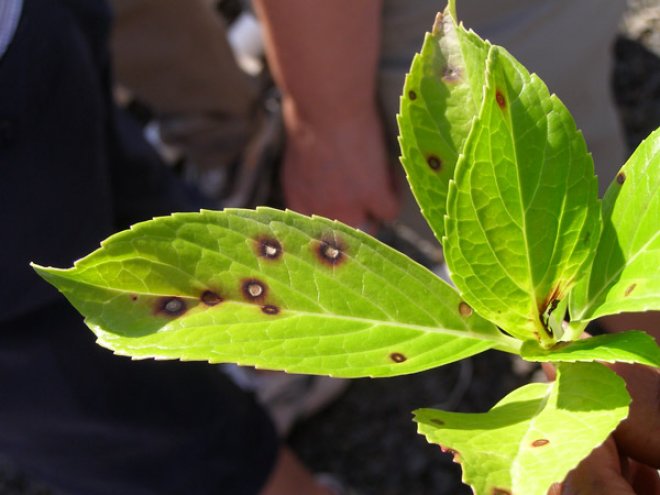
Brown or Black Spots on Tree Leaves As a homeowner, landscaping enhances curb appeal, safety, and property value. This includes scheduling routine inspections with a professional tree service provider. Trees provide many benefits to your home and the ecosystem, hence…
Read More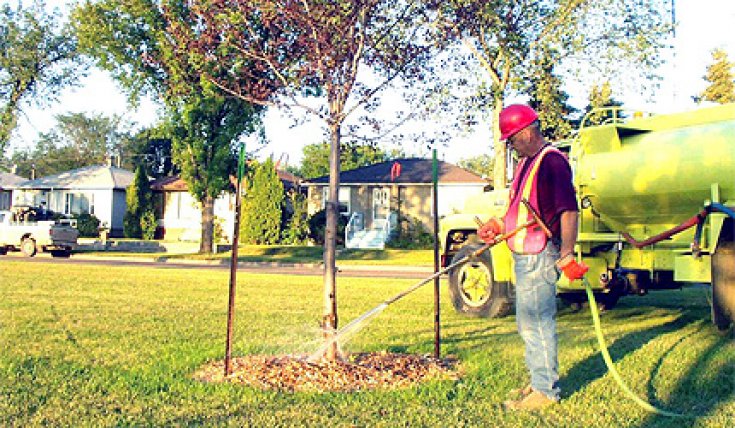
Three Signs You Are Overwatering Your Trees Are you having a problem with your trees? Driscoll Tree Service can help to inspect every tree in your yard and recommend solutions to maintain healthy and robust trees. A common tree problem…
Read More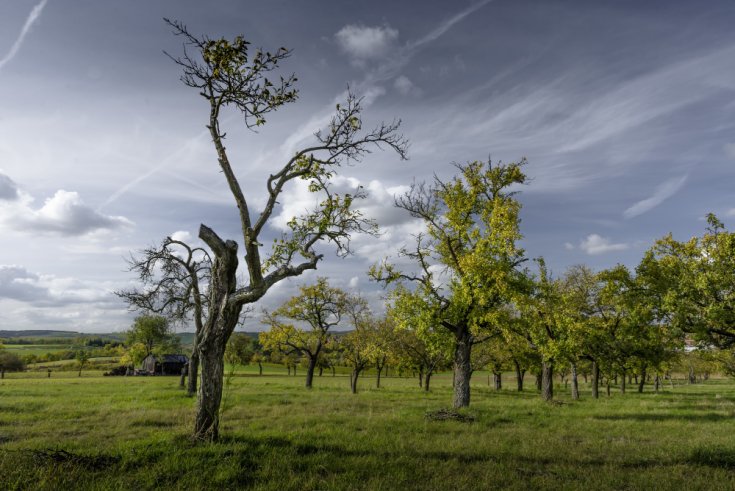
Healthy Trees Vs Dangerous Trees: What to Watch For As a property owner, protecting your trees is a top priority if you want safety, aesthetics, and functionality. The last thing you want are potentially hazardous trees causing property damage and…
Read More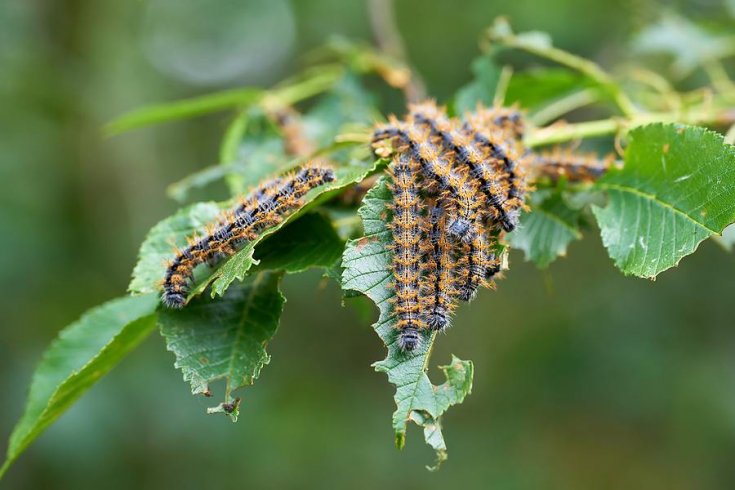
Harmful Pests for Your Trees Trees are beautiful, essential for our environment, and vulnerable to various pests that can cause significant damage. These pests can compromise the health and longevity of trees, leading to their decline or even death. Tree…
Read More
How to Prevent Tree Hazards Tree failure is a tree's breakdown from various problems. All trees are vulnerable to problems, even healthy trees. Careful inspection of your trees can allow you to identify any potential hazards and possible treatments. Driscoll…
Read More
5 Essential Tips for Emergency Tree Removal Trees provide shade, beauty, and a habitat for wildlife. They also convert the carbon dioxide we breath out into fresh oxygen. However, there are times when their removal becomes unavoidable. Whether it's due…
Read More