Menu
Menu
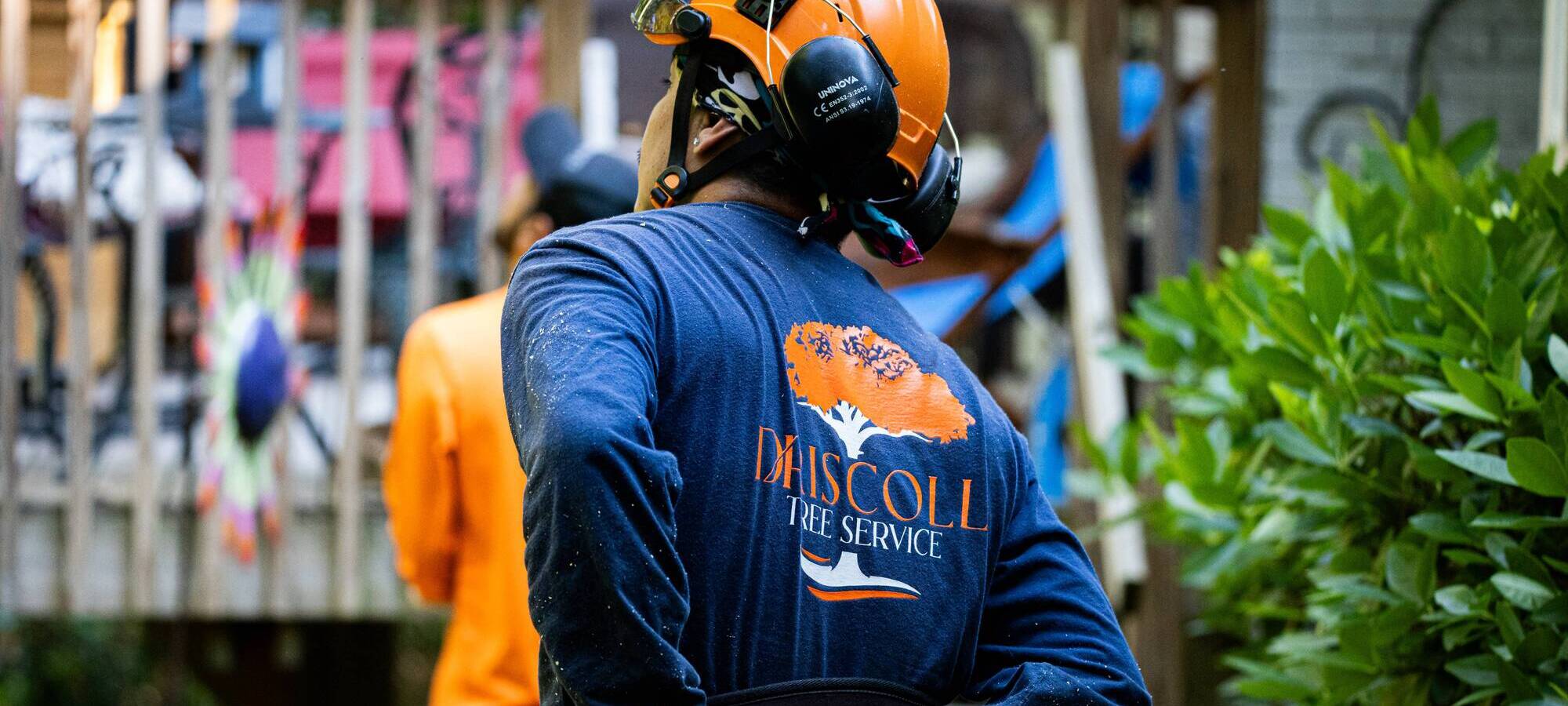

I used Driscoll Tree Service for years in Snellville, and now we use them in Atlanta. They do an excellent job every time. Friendly and knowledgeable crew. Results are always great. Thanks, Driscoll Tree Service!
This is the second time using Driscoll, and we are pleased with the service. Michael is knowledgeable and punctual. We had eight trees trimmed, and they left no traces of the work in our yard. Polite workers. Reasonably priced as well. Highly recommend.
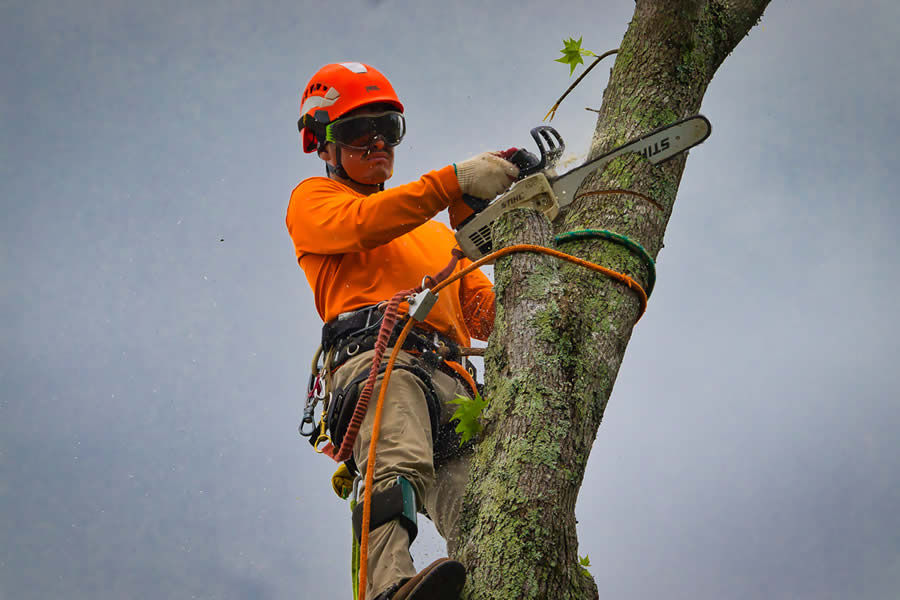
As winter approaches, one of the primary concerns for homeowners and garden enthusiasts is protecting their trees from freeze damage. Cold temperatures, frost, and freezing conditions can cause irreparable harm and costly tree removal emergencies. As a reputable tree care company, the Driscoll Tree Service recommends several effective ways to shield your trees from the harsh winter and ensure their health and vitality.
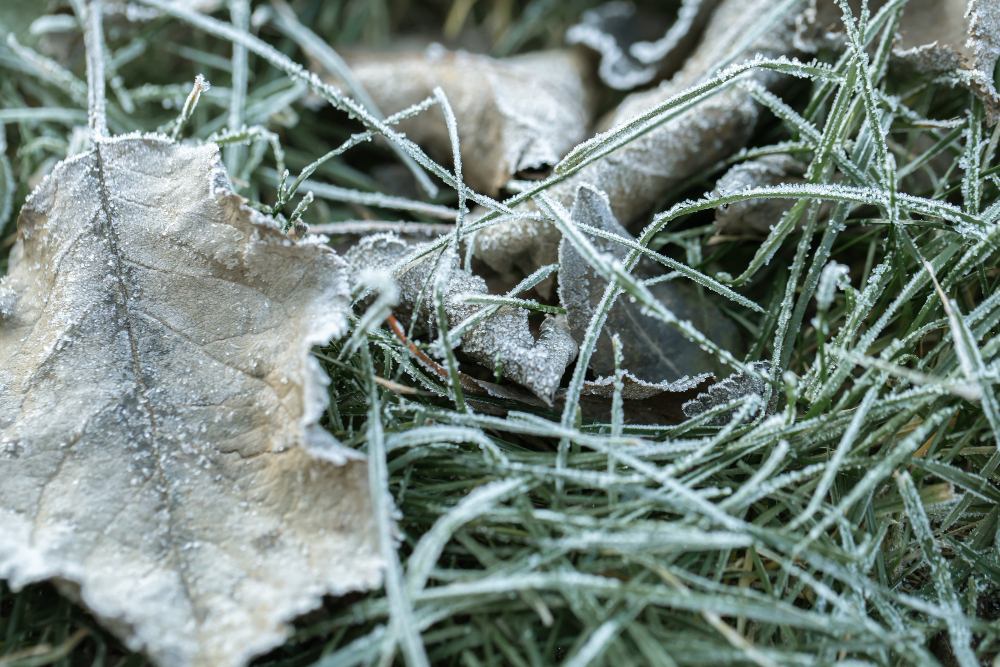
One of the effective methods to protect your trees from freeze damage is by applying mulch around their base. Mulch acts as an insulating layer, regulating soil temperature and preventing sudden fluctuations. To apply mulch properly, spread a layer around the base of your tree, extending it out to the drip line (the area beneath the tree’s canopy). Certified arborists recommend a depth of 2-4 inches to avoid further damage. Mulch helps hold soil moisture and keeps roots insulated, reducing the risk of frost damage.
Tree wraps or guards are excellent tools for protecting your tree’s trunk from winter-related issues. These wraps are made from materials like burlap or specialized tree wrap fabric. By wrapping the trunk of your tree, you create a protective barrier against extreme temperatures, frost, and sunscald. If you prefer a more hands-off approach, a trusted tree care company can apply tree wraps before the onset of winter and remove them in the spring to avoid trapping excess moisture and pests.
Pruning your trees before winter can also help reduce the risk of freeze damage. Remove dead or diseased branches, which are more susceptible to cold stress. Proper pruning encourages healthy growth and allows for better air circulation within the canopy, reducing the chances of frost damage. However, be cautious not to over-prune, as this can weaken the structure, causing severe damage and premature tree removal.
Tree blankets or covers shield your trees from frost and freezing conditions. These blankets are lightweight and breathable, allowing air and moisture to circulate while providing insulation. During freezing nights, drape the cover over your tree and secure it at the base. Remove the cover during the day to allow your tree access to sunlight. We recommend scheduling routine inspections with professional tree service providers to ensure health and growth year long.
Wind can exacerbate the effects of freezing temperatures on your trees. Planting windbreaks, such as shrubs or fencing, can help reduce the impact of cold winds on your trees. Windbreaks create a barrier that deflects and slows down the wind, creating a more sheltered environment for your trees. However, regular checks by certified arborists are vital to detect minor signs of damage before things get out of hand.
Protecting your trees from freeze damage during the winter is essential to ensure their long-term health and vitality. By employing these methods, you can reduce the risk of damage from cold temperatures, frost, and freezing conditions. Remember, different trees have varying cold tolerance levels, so it’s essential to consult a tree service for guidance. Contact us at the Driscoll Tree Service and talk to our experts about tree care and maintenance. We leverage extensive expertise and proven strategies to ensure your trees thrive.
Best Trees to Plant for Shade A good shade tree is a must if you live in an area where the temperatures tend to rise in the spring and summer. Choosing the right trees can not only offer a cool…
Read More
How to Keep Your Trees Healthy Keeping trees healthy is not just essential for the aesthetics and safety of your landscape but also improves the quality of the environment. However, like other living things, trees need routine care and maintenance…
Read More
Why Dead Trees Should Be Removed Immediately Dead trees are not always easy to identify, but one thing is for certain: They ought to be removed as soon as possible. A dead tree not only poses the risk of falling…
Read More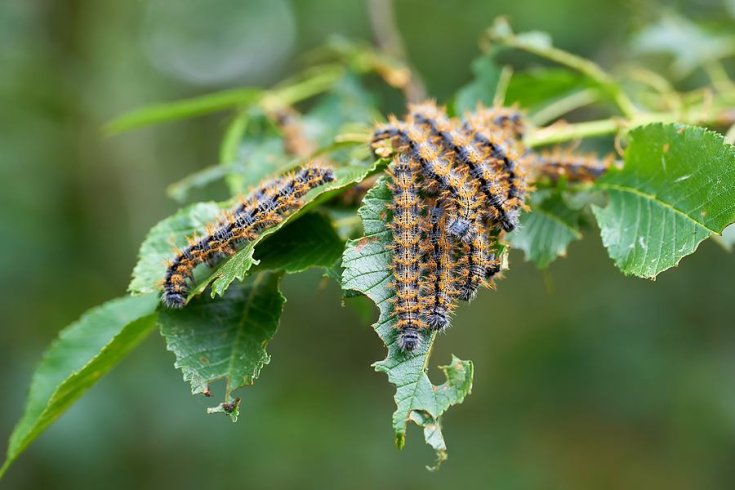
Controlling Tree Pests and Diseases Without Harming the Environment Maintaining healthy trees often entails controlling pests and diseases. With all the different ways homeowners can protect their yards, some cause more environmental damage in the long run. It is advisable…
Read More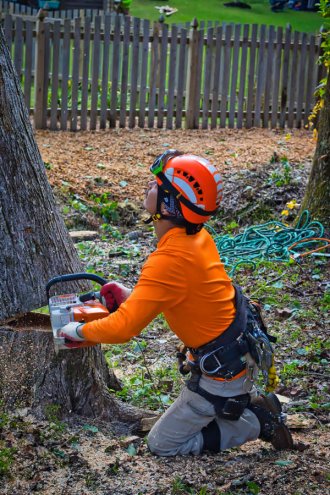
Can You Remove Trees & Stumps During Winter? Trees offer a wide range of benefits for the environment and your home. However, winter confines most people indoors, reducing the time to enjoy outdoor spaces. Homeowners usually overlook yard care during…
Read More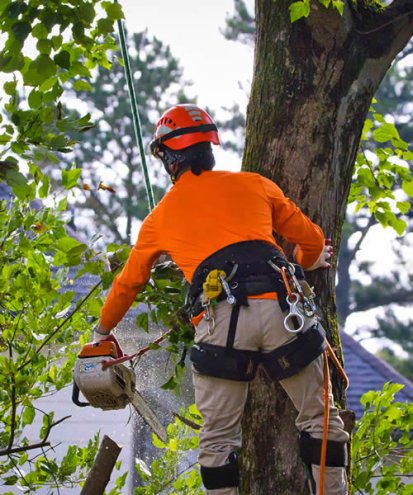
Tree Trimming Safety Tips Tree trimming is a vital aspect of landscaping and garden maintenance that helps keep trees healthy and aesthetically pleasing. However, it can also be hazardous if not done correctly, causing severe damage and premature tree removal.…
Read More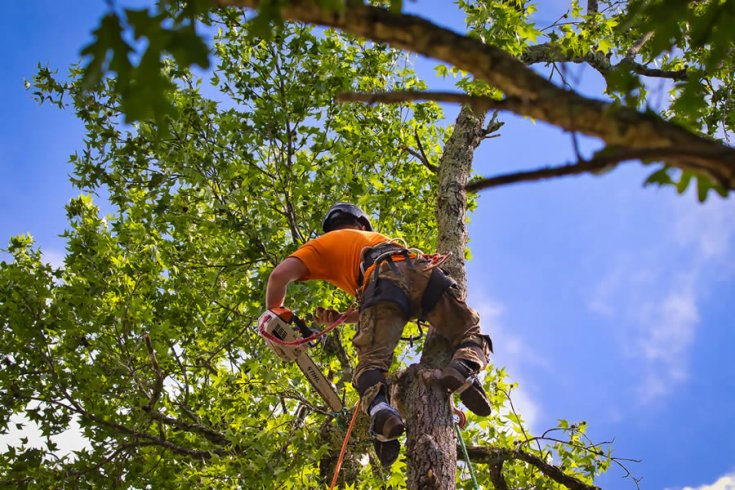
Benefits of Tree Trimming Do you have a tree that needs a lot of attention, but you're unsure what to do? Whether your tree is growing too close to the house, hangs over the driveway, or is growing unevenly, the…
Read More
The Life Cycle of a Tree Trees grow over 30 feet tall, with canopies that expand over half their height. However, trees start as tiny seeds and require routine care to enhance growth. If you have a tree planting project…
Read More
When Is It Time to Say Goodbye to a Tree? Signs Your Tree Might Be Better Removed There’s nothing like sitting under a shady oak on a hot Georgia afternoon or watching the dogwoods bloom in spring. We love trees…
Read More
The Advantages of Landscaping for Real Estate Most people assume landscaping entails levelling the terrain of a property to enhance curb appeal. While this is partially true, there’s more to it. Whether it’s including plants, paving, gardening or adjusting visible…
Read More