Menu
Menu
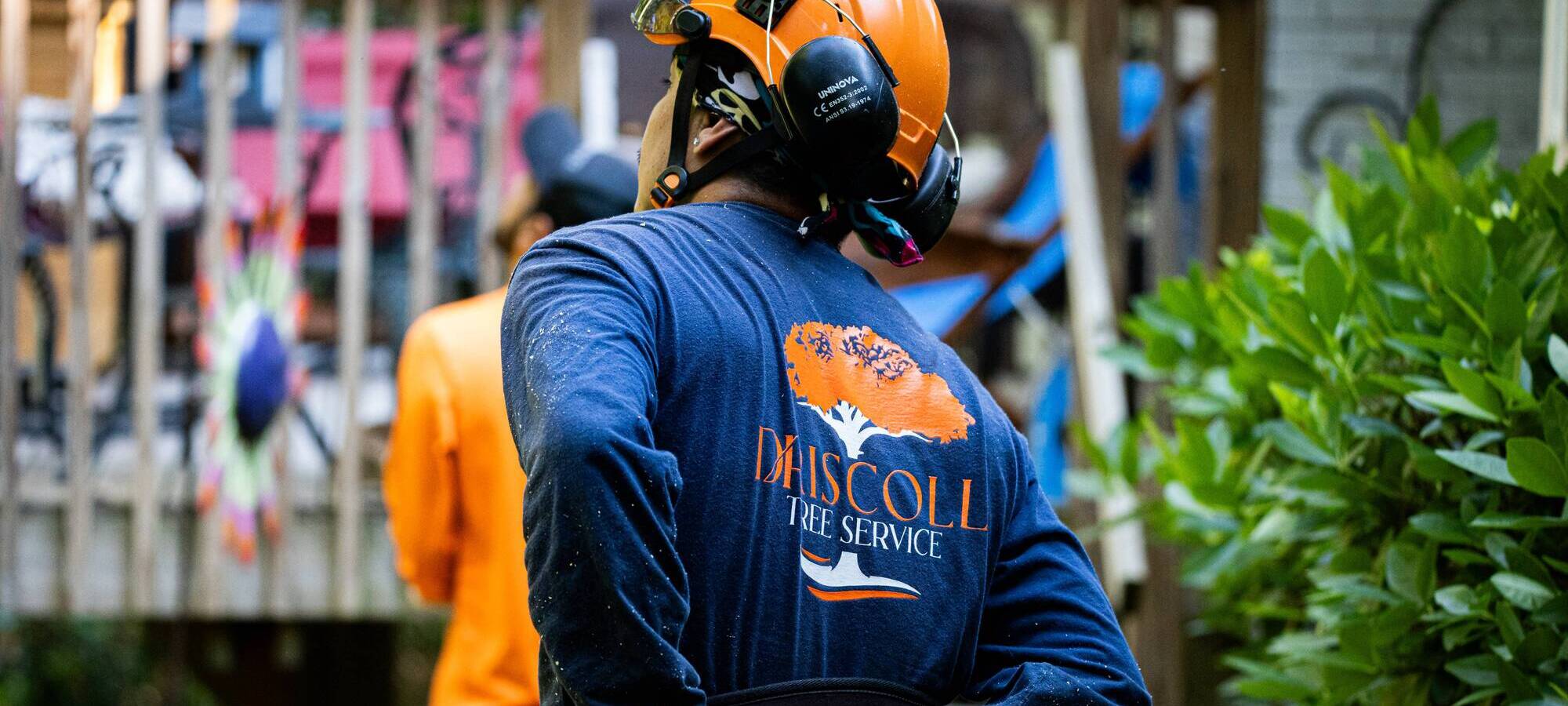

We called to have two large pine trees removed since they were in the way of where we needed to put our fence. We are slackers and always wait until the last minute to do anything so of course, we tried to find someone that could take these out quickly as we needed it done ASAP. These guys came out the same day I called and were able to get them out the next day. I was so impressed by how nice and professional they are, it’s nearly impossible to get anyone to come out and/or follow up with anything so it was extremely refreshing that they did both without me having to call and ask what the hold up was. I will forever use this company for future needs. Thank you again!!
Driscoll Tree Service and its team are professional, friendly, and excellent at tree removal. Their prices are the best. We had them remove a completely dead tree and a super large branch. For both experiences, they came out fast and did an Incredible job. Highly recommend.
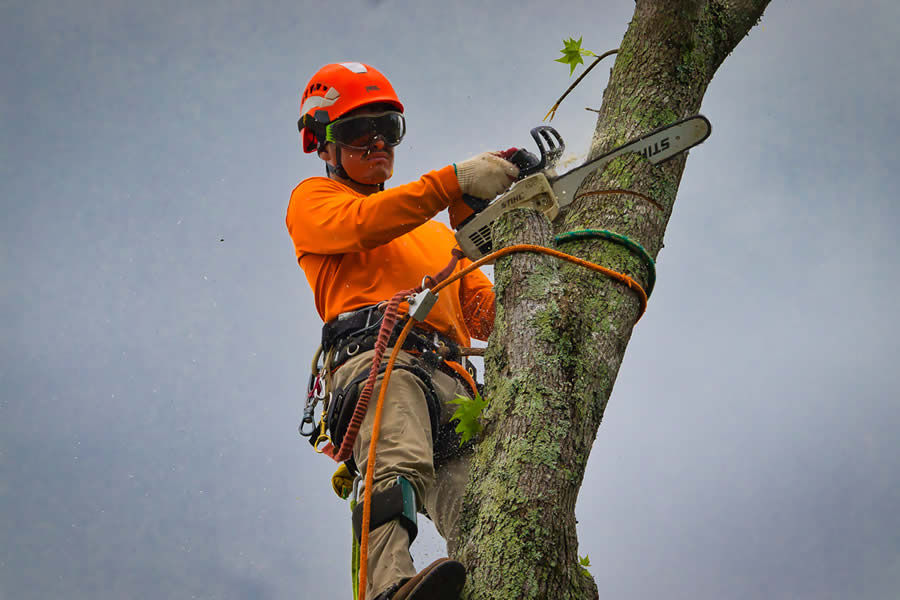
Trees are alive and need regular care. Like most living things, they can get injuries or diseases. While it is not always easy to identify signs of infection or infestation in trees, you may have to call a professional tree care company if it looks unhealthy or bad. Driscoll Tree Service leverages extensive industry knowledge and expertise to provide top-notch services, guaranteeing healthy and safe trees. If you are unsure if hiring a tree service provider is time, here are signs to look for.
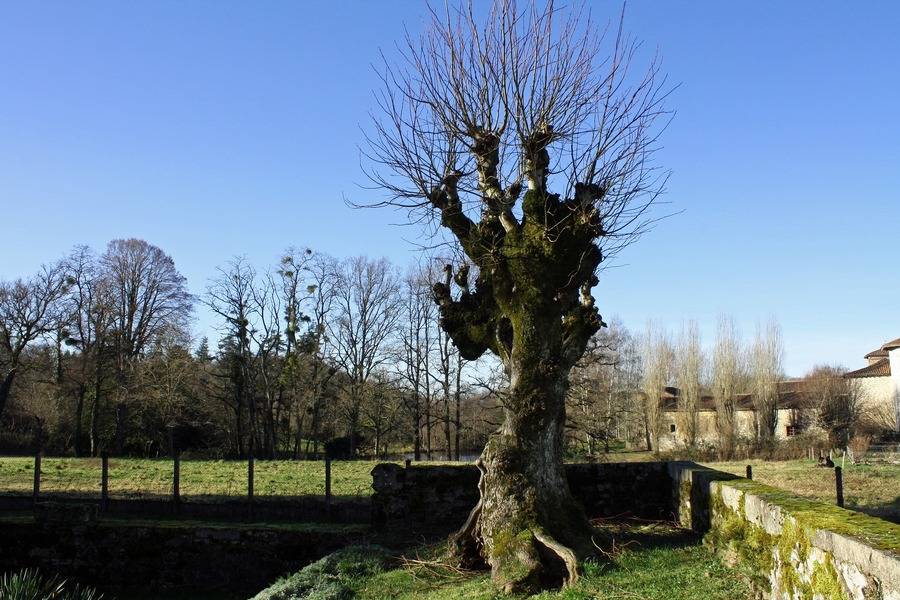
There are many reasons for color changes in leaves, but if it happens on one side of the tree, you need to call a professional. Although color changes are normal in some parts of the country during autumn, contact an arborist if only trees are on your premises. Discoloration of leaves is often associated with infections and infestations, and early detection can mitigate further damage.
Leaves dropping without an unexplainable reason may be caused by a lack of energy because of climate stressors, insufficient soil moisture, or the tree’s overall health being compromised. Regardless of the cause, dropping leaves or thinning out shows you need to call a tree care company. Although the damage might not be severe initially, it can quickly escalate. The last thing you want is an entirely thinned tree, increasing the risk of infestations and falling.
As mentioned, the lack of leaves could be caused by disease, root issues, or climate-induced stress. While a tree without leaves in your backyard doesn’t mean it is dead, but it affects the beauty of your home. Many people assume the worst and remove it without confirming the cause. Before taking drastic measures, have a certified tree service provider inspect the tree and recommend a viable solution.
Sap oozing from a tree is caused by several reasons. Sap is comparable to blood in the human body, as it is transferred throughout the tree’s vascular system. An arborist can assess the oozing tree and determine the condition of your tree before taking action. Excessive oozing of sap, also called bleeding, can show an infection or deterioration in health. The best solution to address the problem and prevent a recurrence is to work with a reputable tree care company.
The trunk transfers essential nutrients and water from the ground to other tree parts. If you notice cracks on the bark near this area, the heartwood and softwood are separating. It can become more pronounced if left unattended, compromising the tree’s structural integrity and increasing susceptibility to infections, infestations, and decay. Once you detect cracks, we can inspect, diagnose, and address the problem before things worsen.
Roots grow beneath the ground, so it is difficult to tell if there’s a problem. However, growths around the base that look like fungi may show a tree root problem. Roots not only provide anchorage but also absorb moisture and nutrients. If the roots degrade, it can lead to instability and other safety hazards. Scheduling routine inspections with a professional can help detect minor root damage signs and guarantees long-term solutions.
Call an arborist quickly if you come home to find a tree leaning. There are many causes of leaning in trees; a tree service expert can pinpoint and address the issue. If the tree is unsalvageable, we have the equipment and expertise to guarantee safe removal, so you don’t worry about property damage.
Although the list is not limited to the ones mentioned, contact Driscoll Tree Service to learn more about tree care and maintenance. We offer a wide range of services, including routine inspections and tree removal, at competitive rates.
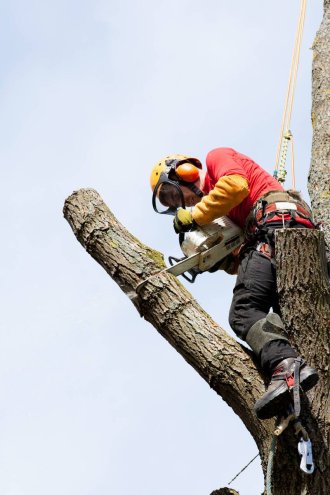
5 Bad Pruning Examples Tree pruning and trimming are vital for maintaining a healthy and aesthetically appealing yard. Proper tree care ensures robust growth, a sturdy structure, and a beautiful shape. However, improper pruning can cause serious issues such as…
Read More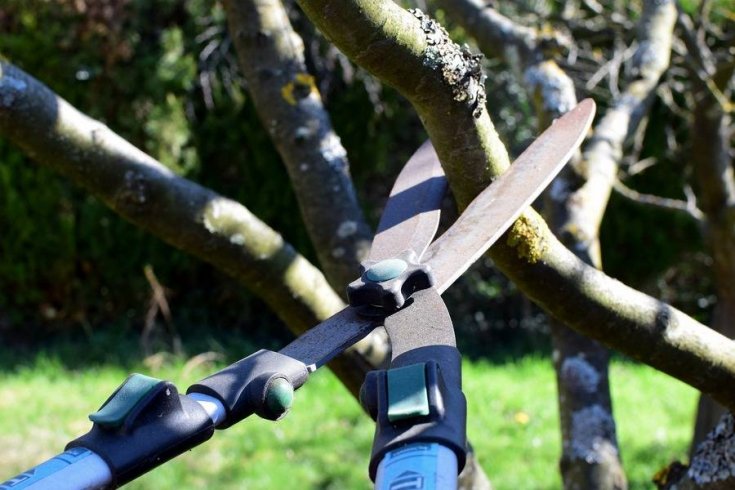
3 Commonly Used Tree Trimming Tools Trees offer many benefits, making them a valuable addition to any landscape. Like most living things, proper care is vital for growth and development, hence the need to schedule routine inspections with a professional…
Read More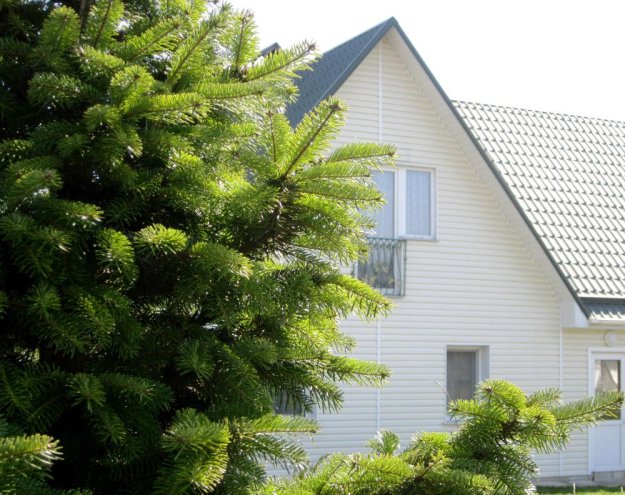
Trees and Your Home: Tips for Extending the Lifespan of Your Roof A well-maintained roof is crucial for any home, as it protects against the weather and maintains structural integrity. While trees can enhance property beauty and value, if they…
Read More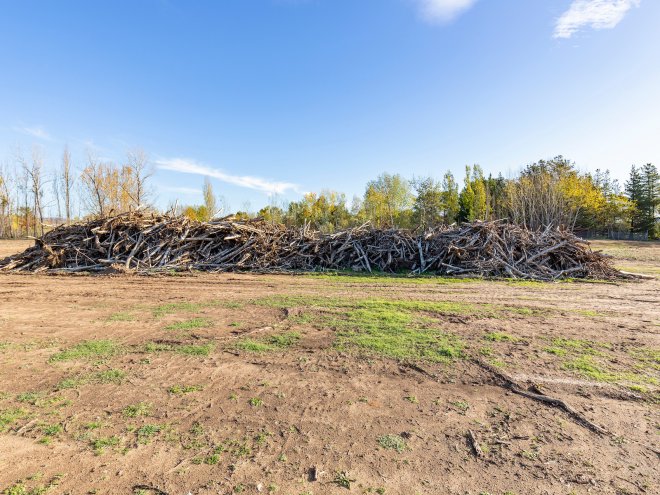
Best Tips to Clear Overgrown Land Land is one of the best investments you can make, but here’s the catch: if you want to unlock its full potential, then you’ve got to cultivate or develop it. Before you can do…
Read More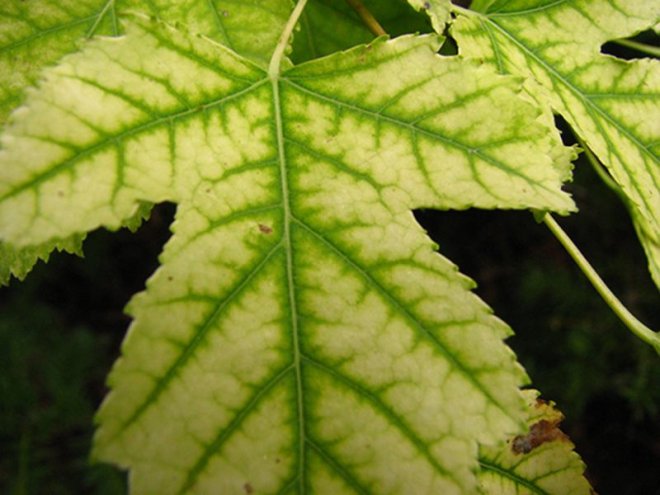
Iron Chlorosis in Trees Trees play a crucial role in the ecosystem, from purifying the air to improving curb appeal. However, many signs of tree damage go undetected, hence the need to schedule regular maintenance checks with a reputable tree…
Read More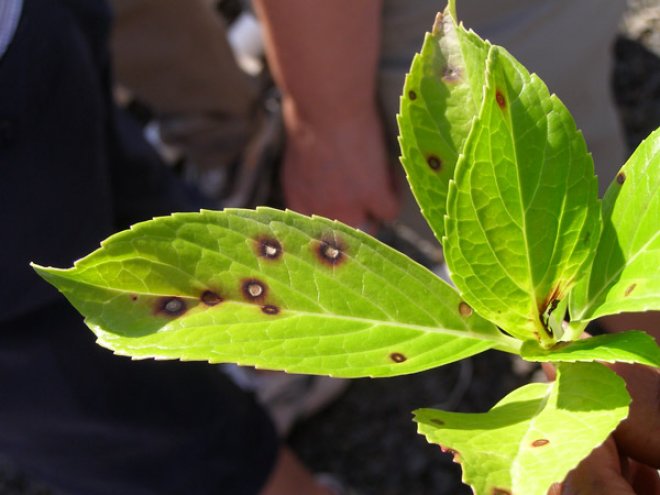
Brown or Black Spots on Tree Leaves As a homeowner, landscaping enhances curb appeal, safety, and property value. This includes scheduling routine inspections with a professional tree service provider. Trees provide many benefits to your home and the ecosystem, hence…
Read More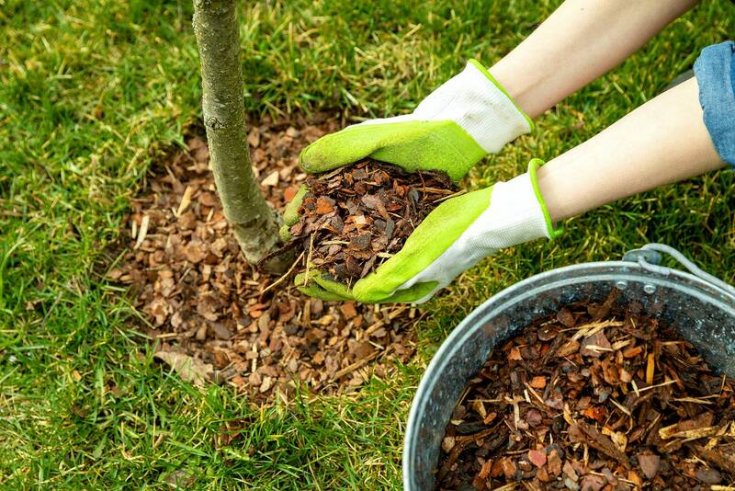
The Importance of Mulching Newly Planted Trees Regarding landscaping and gardening, the intricacies of nurturing nature’s wonders are both an art and a science. One crucial aspect that often goes unnoticed but is paramount is mulching newly planted trees. Mulch,…
Read More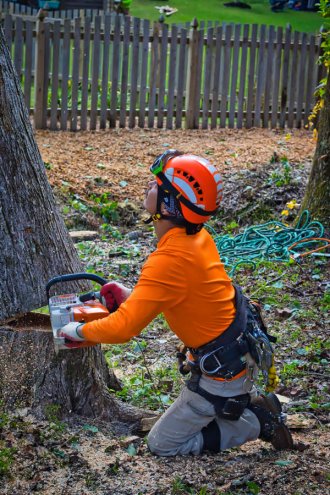
Professional Tree Service vs. Handyman Large green trees are a valuable addition to any landscape. Healthy trees enhance the overall curb appeal and property value, purify the air, and attract wildlife. Routine maintenance is vital to ensure your trees grow…
Read More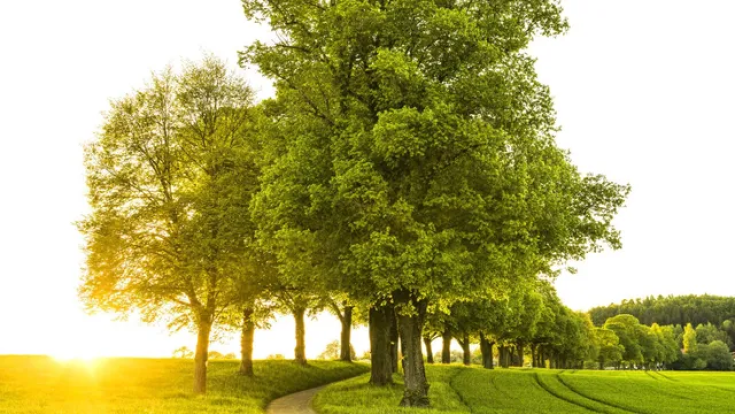
Essential Tree Care Tips for Every Season Trees require regular care and maintenance to thrive. However, different seasons call for specific care to prevent irreversible damage and premature tree removal emergencies. With that in mind, hiring a professional tree care…
Read More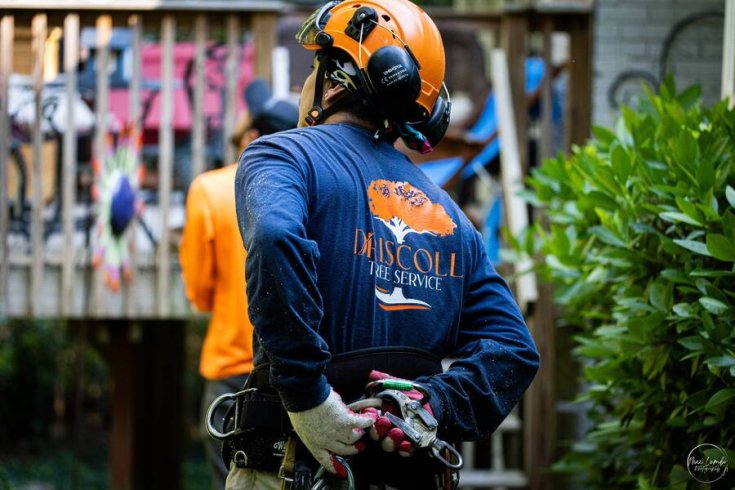
How Can Arborists Improve Your Yard As a property owner, hiring a professional tree service provider in Buford, GA to improve your yard can add significant value to your property. A certified arborist leverages extensive knowledge and experience to inspect,…
Read More