Menu


Menu

Driscoll Tree Service and its team are professional, friendly, and excellent at tree removal. Their prices are the best. We had them remove a completely dead tree and a super large branch. For both experiences, they came out fast and did an Incredible job. Highly recommend.
It took a while for the weather to cooperate, but when the time came, all went well with excellent results. The crew removed a large water oak and a small trash tree. They worked well together and when finished, the job site was cleaned up nicely. They were friendly and informative. Neighbors were also impressed. I highly recommend Driscoll Tree Service.
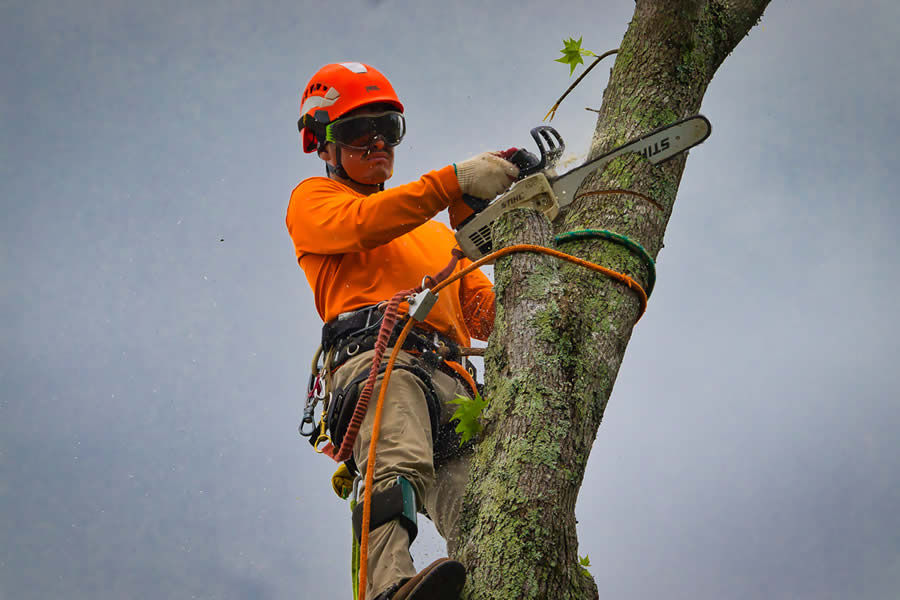
Trees require regular care and maintenance to thrive. However, different seasons call for specific care to prevent irreversible damage and premature tree removal emergencies. With that in mind, hiring a professional tree care company for routine inspections is crucial to ensuring healthy and aesthetically pleasing trees year-round. At the Driscoll Tree Service, we understand the challenges different seasons pose to trees and devise tailored maintenance plans to ensure strong growth and longevity. Let’s delve into the essential tree care tips for every season to help make informed decisions.
Trees experience increased stress in the summer because of intense sunlight and high temperatures. Some areas also experience drought, causing further harm to your greenery. Here are effective tree care practices in Buford, GA to sustain tree health in the summer.
When temperatures increase, trees require consistent watering to avoid stress and deterioration. Tree service providers and industry professionals recommend deep watering early in the morning or late in the evening. This reduces the rate of evaporation and helps roots to absorb as much water as possible.
Mulching is a crucial maintenance practice when temperatures increase, as it regulates the temperature and holds moisture. It is advisable to apply a 2 to 4-inch layer of mulch around the base and leave space around the trunk to avoid fungus and other moisture-related hazards. If you need help choosing the right mulch material, consult a professional tree care company to lend a hand.
Temperatures usually drop in the fall, indicating winter is around the corner. Even after providing regular care in the summer, fall is different. Let’s look at the ways you can prepare your trees in the fall for the cold months ahead.
Trees are usually dormant in the winter; hence the need to ensure they have essential nutrients to survive the cold. Fall is ideal for fertilization, allowing your trees to stock up before the next season. It is crucial to invest in a slow-release fertilizer, as it gives you peace of mind knowing your trees have access to vital nutrients.
As a homeowner, regular inspections for pests are vital to prevent tree damage, infestations, and unplanned tree removal services down the line. Look for telltale signs of pest damage and call a tree care company to help. Professional arborists can inspect, diagnose, and recommend effective solutions to minimize the risk of recurrences.
Winter is the coldest season, often characterized by bare branches. During this dormant state, you can conduct invasive maintenance practices like trimming and pruning without causing severe injuries. Here are effective winter care tips to ensure your trees survive the cold.
As mentioned, winter is the ideal time to undertake invasive tree maintenance tasks like pruning and trimming. While you can undertake these practices at any time, winter reduces the risk of damage, infections, and infestations. Deciduous trees usually enter dormancy during the cold months, meaning there’s minimal growth or activities within the trees. However, pruning can pose safety risks when temperatures drop and should be left to trained tree service providers.
If you live in an area that experiences heavy snowfall, checking on ice buildup in your trees is crucial. Gently brush off the snow from your branches to prevent breakage, property damage, and costly repairs. It is advisable to avoid salt-based deicers when clearing snow, as they harm tree roots and the soil structure.
Seasonal tree care needs a holistic approach that comprises inspections, planning, and quick action. Contact us at the Driscoll Tree Service and schedule a consultation with our experts. We provide comprehensive services, including planting, fertilizing, pruning, and removal, keeping your yard lush and safe year-round.
Should You Remove a Tree Close to Your House? Pros, Cons, and Safe Options Trees are more than just pretty landscape features. They also provide shade that can reduce energy costs, improve air quality, and, in some cases, even “magically”…
Read More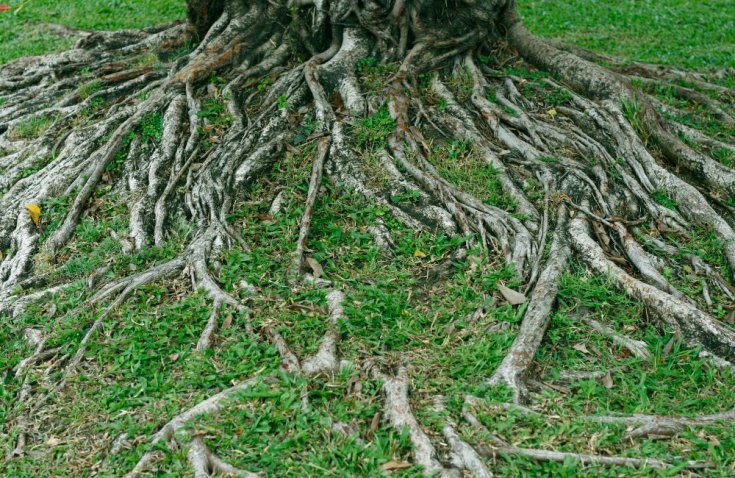
Caring for Your Tree’s Roots Planting a tree is a long-term investment, as most trees take several years to grow to their potential. While there are many ways to maintain maximum health, such as tree pruning and trimming, managing its…
Read More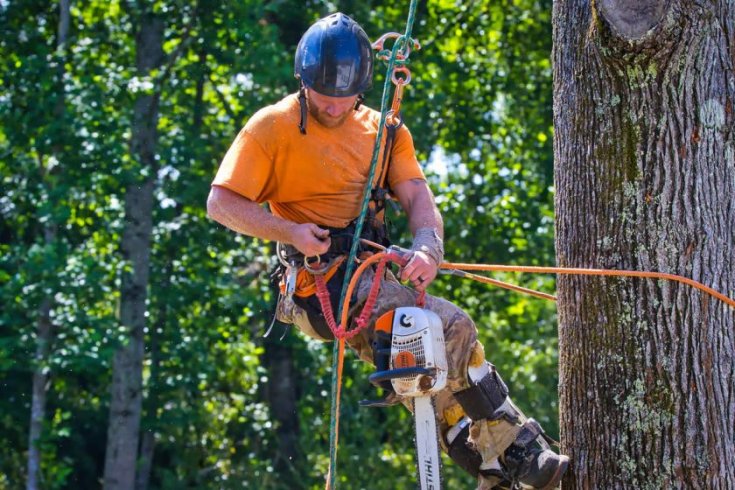
Tools and Equipment For Professional Tree Trimming Professional tree trimming could be an easy or difficult process, and that fully depends on the tools you use. Trimming is able to open up the visibility of your property and enhance the…
Read More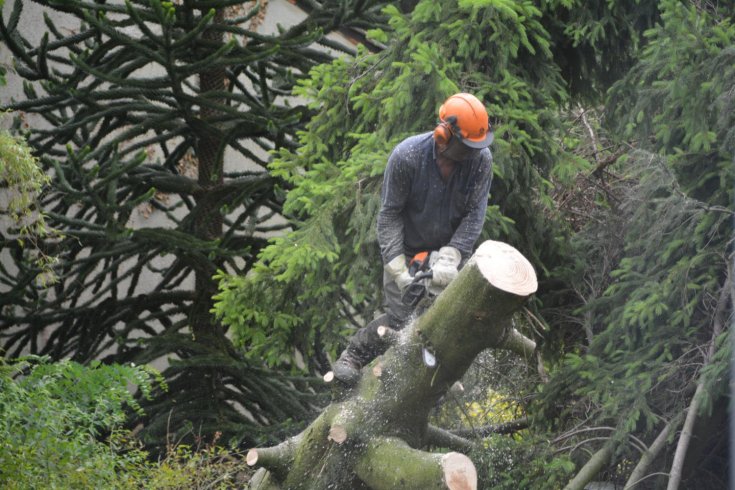
How Professional Tree Services Handle Large or Hazardous Trees Large or hazardous trees can quickly turn into serious threats on your property, and dealing with them safely requires far more than basic yardwork. You might look at a towering trunk,…
Read More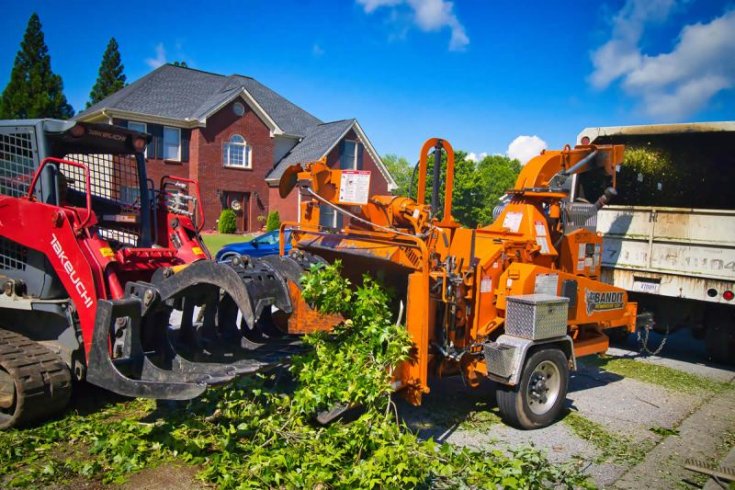
Deep Root Fertilization and Its Benefits Property owners usually focus fertilization efforts on their turf and forget that huge, shady trees also need a nutrition boost. However, the process is not as simple as sprinkling a handful of fertilizer around…
Read More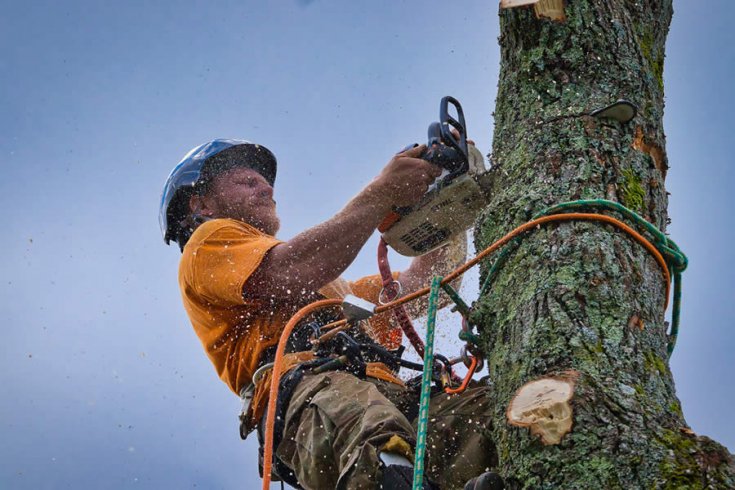
Everything You Need to Know About Residential Tree Clearing Trees provide a range of benefits for your property and the ecosystem. However, there are instances clearing is vital to mitigate safety hazards and costly damages in the future. Before hiring…
Read More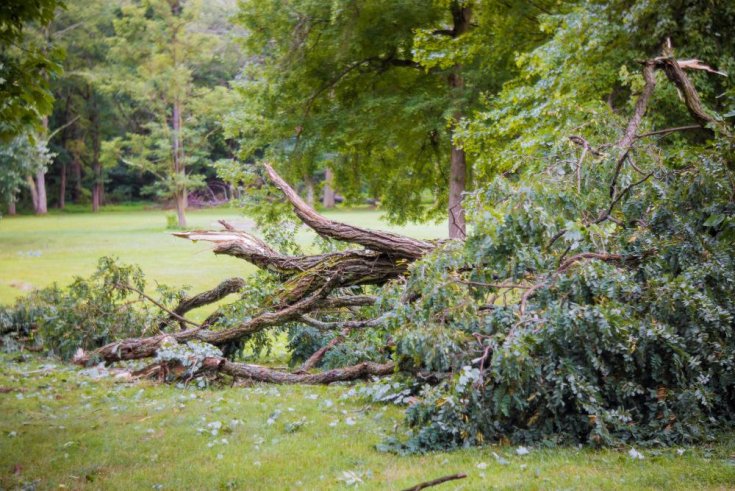
Who is Responsible for a Fallen Tree? Healthy and well-cared-for trees can be a valuable asset to your property, enhancing its beauty and value. However, the natural world can sometimes be unpredictable, and when a tree or large branch falls,…
Read More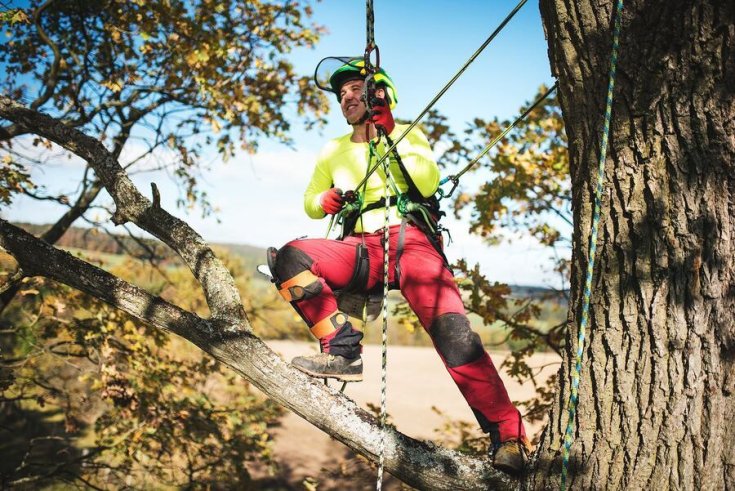
Top Signs You Need an Arborist to Inspect Your Trees Most of us love the trees on our property because they offer shade, beauty, privacy, and even fruit in some cases! Despite our appreciation, how well do we really understand…
Read More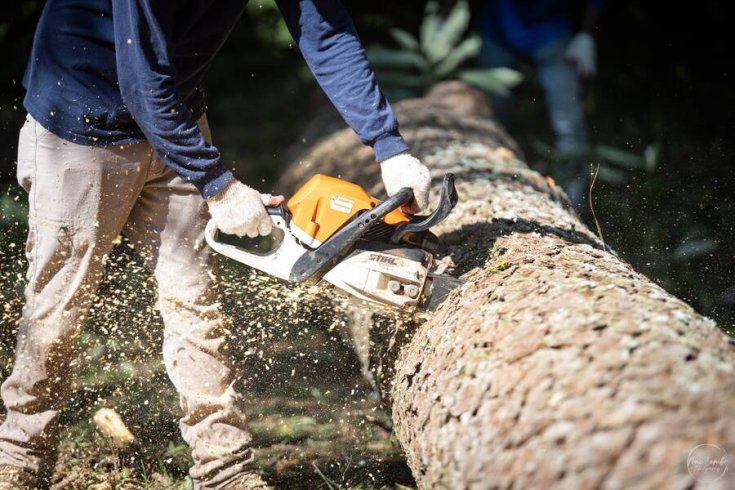
When Is It Time to Say Goodbye to a Tree? Signs Your Tree Might Be Better Removed There’s nothing like sitting under a shady oak on a hot Georgia afternoon or watching the dogwoods bloom in spring. We love trees…
Read More
Tree Trimming & Pruning Mistakes to Avoid Do you have trees on your property that seem in bad condition due to improper tree trimming techniques? This is a common problem that most people make, compromising the health and well-being of…
Read More