Menu
Menu
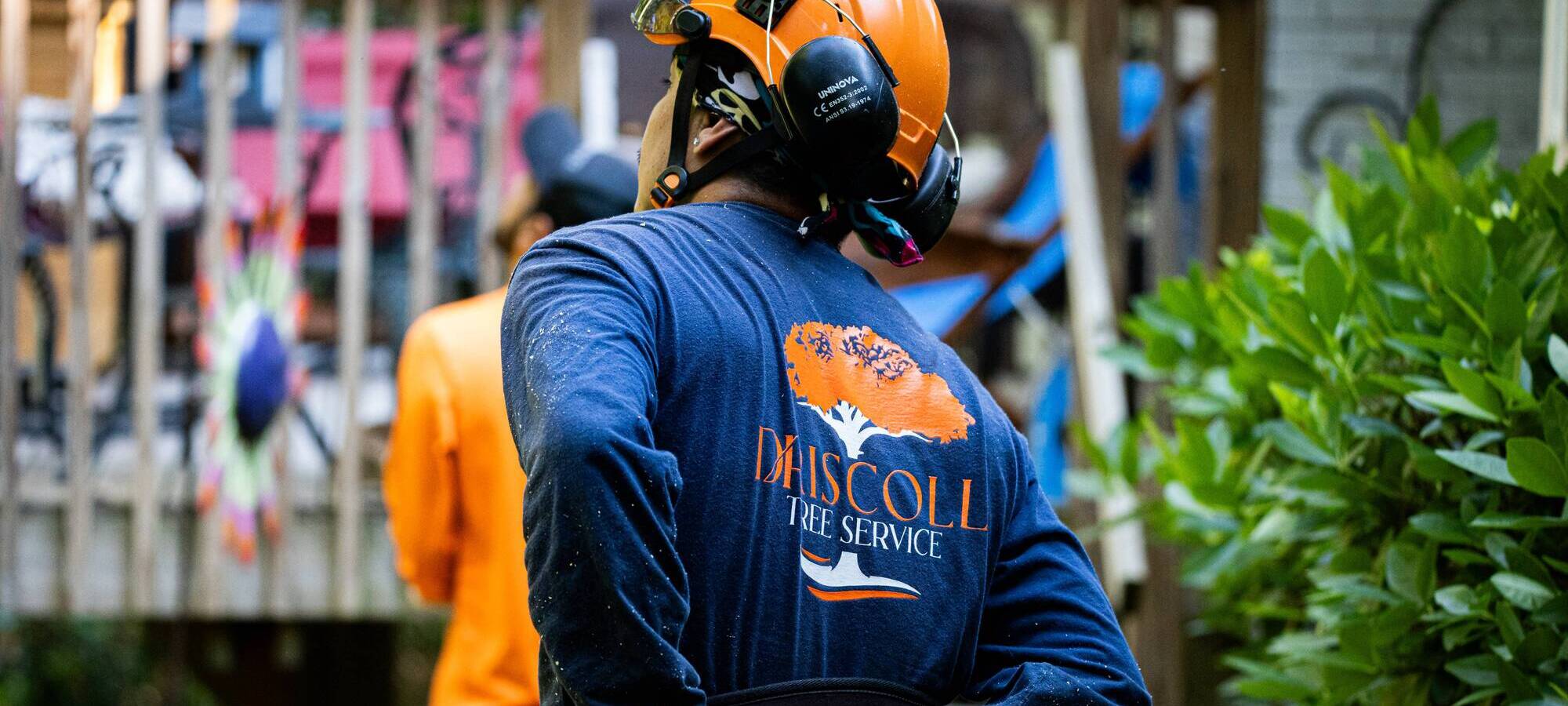

Efficient, Affordable, and Professional what more can you ask for in a company. I had a big tree in my yard that needed to be cut down. From the estimate from Michael and the actual job being performed by his crew, everything was satisfactory. Including the clean-up. They’re also licensed and insured so that made selecting for the job even more comfortable. I highly recommend Driscoll Tree Service for your tree removal.
This is the second time using Driscoll, and we are pleased with the service. Michael is knowledgeable and punctual. We had eight trees trimmed, and they left no traces of the work in our yard. Polite workers. Reasonably priced as well. Highly recommend.
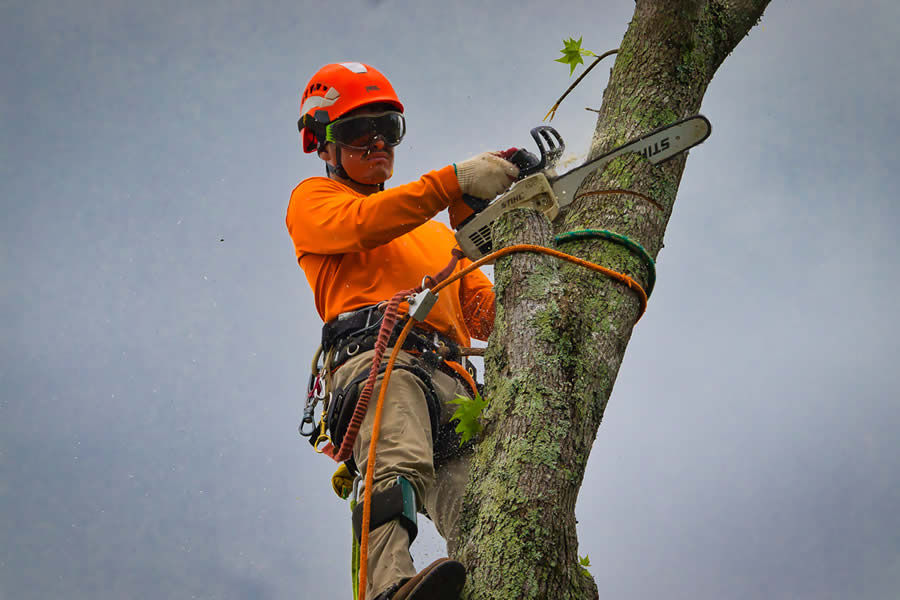
Sickness and death are facts of life. That applies to people, pets, and yes—even trees. Trees grow, thrive, decline, and eventually die. It’s part of the natural cycle. In a forest, a dying tree may fall and slowly return to the soil. In your backyard, though, that same tree can crush a roof, flatten a car, or injure someone you love.
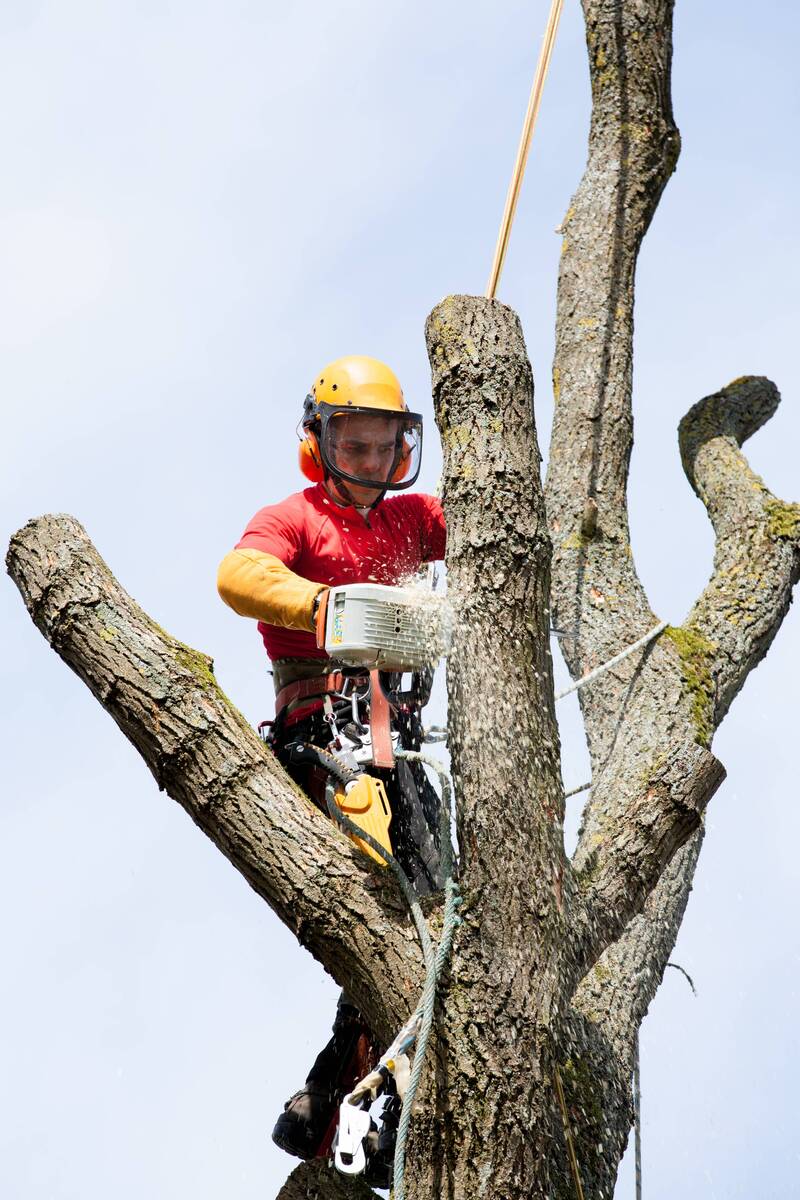
When a tree near your home starts to decline, the worst thing you can do is take a “wait and see” approach. Waiting feels easier in the moment as it avoids a tough decision and postpones an expense. But when it comes to dead or dying trees, delaying simply increases risk and cost.
In this brief article brought to you by Driscoll Tree Service, we explain why procrastination with dead trees is a gamble you can't afford to take. If you’d rather consult a trained tree service provider in Monroe, GA, then call or message Driscoll to get in touch with a local pro in the Atlanta area.
Unlike a sick tree that might recover with proper care, a dead tree has crossed a point of no return and only gets more dangerous as time passes. The clock is ticking, and it's counting down to inevitable failure.
Once a tree dies, the decomposition process begins. Fungi and bacteria attack the dead wood, the wood becomes brittle, weak, and unpredictable, and what might support its own weight today could catastrophically fail tomorrow.
To make matters worse, this deterioration accelerates over time. A dead tree that seems stable this month might drop major limbs next month. The trunk that looks solid today could split next week during a windstorm. It’s not a matter of if, but when.
Dead trees rarely fail all at once. Instead, they fail piece by piece, and each failure makes the next one more likely. For instance, a large branch dropping will shift the tree's weight distribution. This new imbalance stresses other branches and the trunk. And so on and so on.
This domino effect means the tree becomes increasingly unstable. The longer it stands dead, the more unpredictable it becomes. Arborists can sometimes predict failure patterns in living trees, but dead trees follow no rules.
Waiting also allows decay to spread to the root system. Rotting roots mean the tree loses its anchor in the ground. The entire tree can topple over. This kind of failure causes maximum damage because the whole tree comes down at once.
Georgia experiences intense weather throughout the year. Summer thunderstorms bring high winds and heavy rain while winter ice storms load branches with crushing weight. Even moderate winds can topple a compromised tree.
Dead trees have zero ability to flex and bend with wind like living trees do. Their brittle wood simply snaps under stress. The worst part? Major storms often strike with little warning. When severe weather arrives, it's too late to address your dead tree.
It’s easy to shrug off risk to your own property, but if your dead tree damages a neighbor's property or injures someone, then you face potential lawsuits. Courts have ruled that property owners are responsible for maintaining trees and addressing obvious hazards.
The risk extends beyond your immediate neighbors. If your dead tree falls into the street and causes a car accident, you could face multiple injury claims. If it takes down power lines and causes a neighborhood outage, you might be liable for damages to businesses and residents who lose power.
Not every declining tree requires immediate removal. Some can be pruned or treated if caught early. The key is professional evaluation.
If you’re looking for a reputable and time-tested tree company in the Atlanta area, then consider the pros at Driscoll Tree Service. Our uniformed and trained tree service providers are ready when you are.
How to Find a Reliable Tree Service Company Trees are incredible ornaments that beautify the landscape and increase the value of properties. They can also provide fruits and much-needed shade as well as protection from high winds. Unhealthy and disheveled…
Read More
How Storms Impact Your Trees Trees are a valuable addition to any landscape. From enhancing curb appeal to improving the overall quality of life, trees are no denying essential to the ecosystem. However, like most living things, trees are susceptible…
Read More
Essential Tree Care Tips for Every Season Trees require regular care and maintenance to thrive. However, different seasons call for specific care to prevent irreversible damage and premature tree removal emergencies. With that in mind, hiring a professional tree care…
Read More
Most Interesting Facts About Trees Trees provide more than just clean air for the planet; they are entities that have been around for many years, bearing witness to Earth’s rich history. As a professional tree care company, the Driscoll Tree…
Read More
Notice Woodpecker Damage On Your Tree? Here’s What To Do Trees are a magnet for life. They provide shade, beauty, fruit, and oxygen - and they also play host to a wide range of wildlife. Birds, in particular, love trees.…
Read More
That Tree Might Be Trying to Tell You Something Trees may not speak our language, but they are constantly sending messages. Every leaf, branch, and root tells a story about what’s happening inside the tree. Some signals are harmless, others…
Read More
Different Types of Trees Should Be Trimmed at Different Times Towering, intricate, and surprisingly sensitive, trees are among the most impressive living things on Earth. For Metro Atlanta property owners, trees are a central part of the landscape. These functional,…
Read More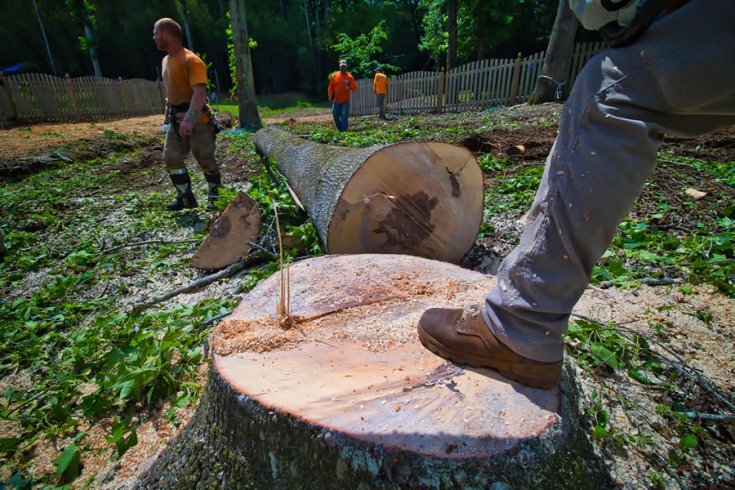
What's The Right Time of Year to Remove Trees? Trees provide a range of benefits to your property and the ecosystem. Whether it is enhancing curb appeal and giving shade or cleaning the air, the value of trees can’t be…
Read More
How to Support Tree Limbs Trees are majestic entities that offer many benefits, from shade and air quality to providing a habitat for wildlife. However, mature trees can become heavy or grow with weak attachments, leading to structural issues and…
Read More
It should go without saying that when it comes to caring for your trees, hiring a professional is always the smarter choice. Whether you’re dealing with routine trimming, storm cleanup, or a full tree removal, the risks and complexities make…
Read More