Menu
Menu

Driscoll Tree Service and its team are professional, friendly, and excellent at tree removal. Their prices are the best. We had them remove a completely dead tree and a super large branch. For both experiences, they came out fast and did an Incredible job. Highly recommend.
I began using Driscoll Tree Service back in 2021 and was so impressed with their knowledge and quality of work, I have only hired Driscoll Tree Service since! Just a few weeks ago, my large oak tree needed a trim and once again it was a great job!!
When’s the last time you really looked at your trees? Not from the curb. Not from your kitchen window. Up close with hands on the bark and eyes tracing the trunk from the roots to the first branches.
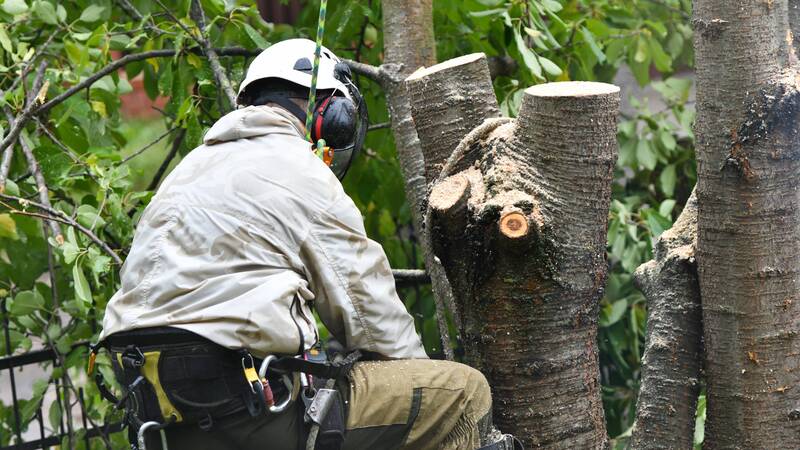
If you have, and you’ve spotted cracks in the trunk, then your tree is trying to tell you something. Sometimes, it’s a minor issue that needs monitoring. Other times, it’s a serious structural warning that demands an urgent tree removal
The key is knowing the difference, and acting before gravity makes the decision for you. In this brief article brought to you by Driscoll Tree Service, we decode what your tree's trunk is trying to tell you.
First, you need to understand that some cracks are normal and others signal serious danger. The difference lies in the type, size, location, and depth of the crack.
Shallow vertical cracks that follow the grain of the wood are often harmless. In fact, many trees develop these as they grow and expand their trunk diameter. The outer bark splits naturally to accommodate the growing trunk underneath.
Deep cracks are another story entirely. If you can see into the crack and it goes well into the trunk's interior, then you have reason to be concerned. These deep splits compromise the tree's strength and create paths for disease and pests to get into the tree's core.
Horizontal cracks also spell serious trouble. Unlike vertical cracks that follow the wood grain, horizontal cracks cut across the grain. These significantly weaken the trunk and indicate structural failure. A tree with major horizontal cracks could split apart catastrophically.
Not every cracked tree needs to come down. In certain cases, an arborist can install cables or braces to support weak sections. Cabling and bracing systems provide structural support that reduces stress on cracked areas. This works best for trees with good overall health aside from the crack.
For shallow cracks, proper wound care helps the healing process. Further, strategic pruning and tree service can reduce weight and wind resistance. Of course, early intervention makes these options more effective.
In any case, it’s always advisable to contact a reputable tree company if you notice worrisome cracks in your tree’s trunk. The pros at Driscoll Tree Service are always ready to take your call or message.
A cracked trunk becomes urgent when it affects the tree’s stability. Warning signs include:
If you notice any of these red flags, then contact a reputable tree company in Dacula, GA as soon as possible. The team at Driscoll Tree Service is here to schedule a flexible appointment or arrange urgent assistance today.
There’s a misconception that you can fill cracks with cement, tar, or other sealants. This outdated practice traps moisture inside the crack and actually promotes rot and disease. Modern arboriculture recognizes that trees heal better when minor cracks are left open to air dry.
Don't attempt to brace or cable trees yourself, either. Poor installation can accelerate failure rather than prevent it. Professional arborists understand the physics of tree support and install systems correctly.
Plus, why take the risk when Driscoll Tree Service offers affordable, reliable, and quick service? Contact our office team to get in touch with a live representative as soon as possible.
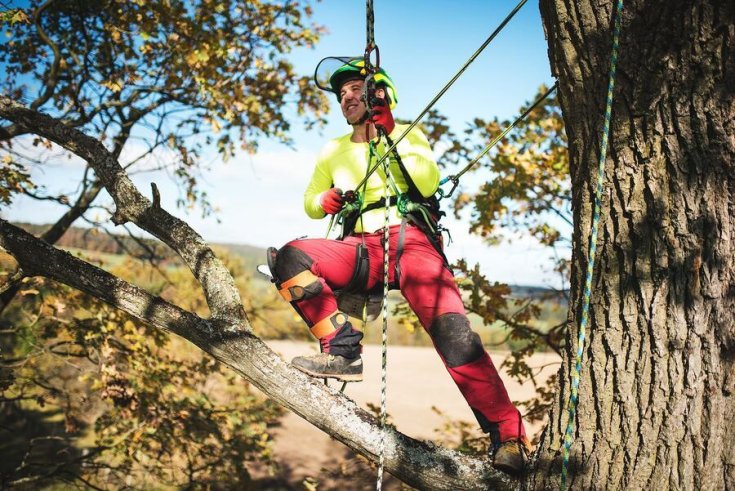
Tips and Techniques for Tree Removal Tree removal is a significant task that requires careful planning and execution to ensure safety and efficiency. Because of disease, hazard, or landscape redesign, proper techniques are crucial for a successful removal process. Driscoll…
Read More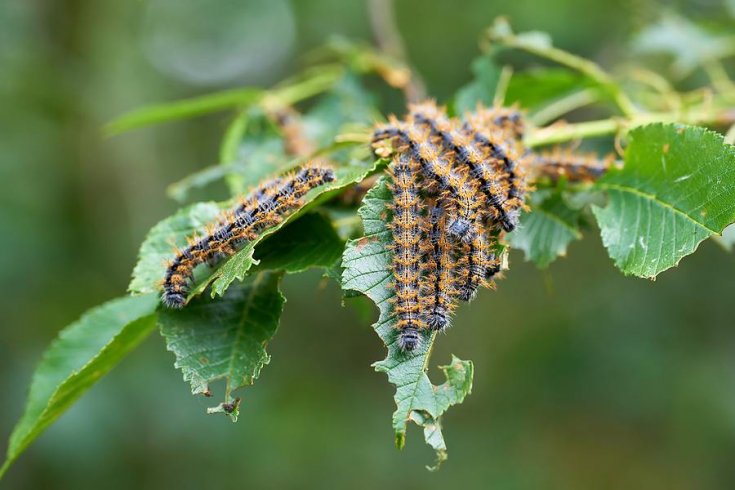
Harmful Pests for Your Trees Trees are beautiful, essential for our environment, and vulnerable to various pests that can cause significant damage. These pests can compromise the health and longevity of trees, leading to their decline or even death. Tree…
Read More
Can You Cut Your Neighbor’s Overhanging Tree Branches? Neighborly conflicts are common among many homeowners, the most common being trees or branches hanging from the neighboring yard. If you’ve asked your neighbor to remove the branches with no luck or…
Read More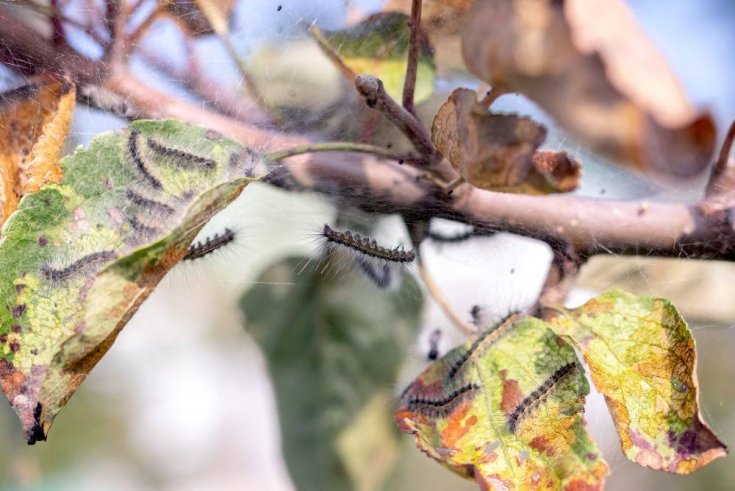
How to Help Prevent Tree Pests Trees are vital to our environment, providing many benefits like shade, oxygen, and beauty. However, they are also susceptible to pests that can cause significant damage and premature tree removal if left unchecked. Driscoll…
Read More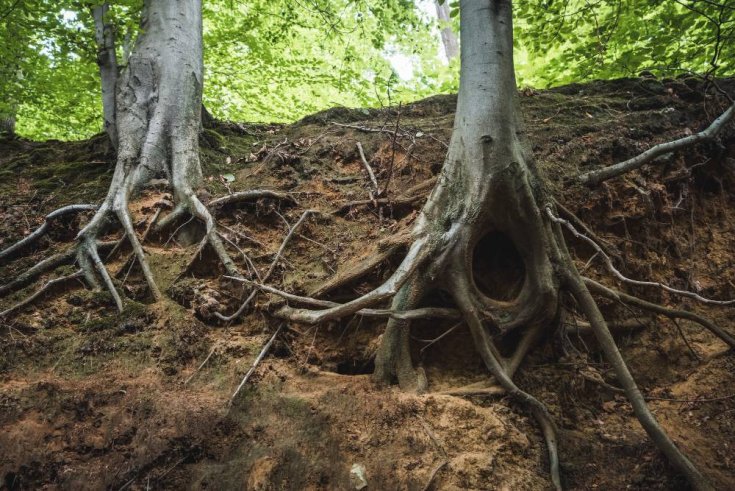
Root Damage That Threatens Structures Trees are living, breathing parts of our landscape, and they give us shade on hot Georgia afternoons, freshen the air, and sometimes even reward us with fruit. When chosen and placed well, trees increase property…
Read More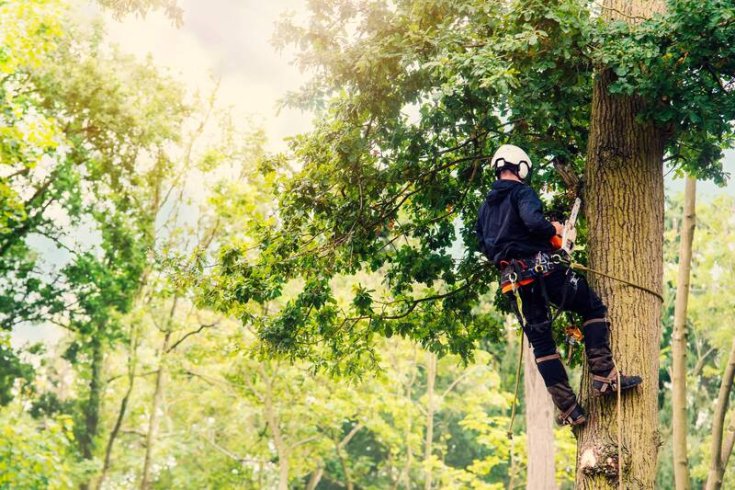
What Equipment Do Tree Removal Professionals Use? A tree removal is rarely the first choice… and it shouldn’t be. At Driscoll Tree Service, we will always explore ways to preserve a tree before recommending removal. However, removal becomes the only…
Read More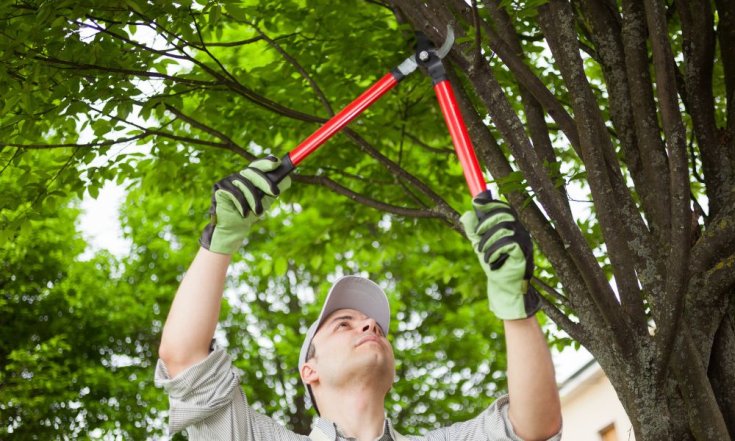
Tree Maintenance Issues Homeowners Neglect Trees add beauty to any landscape and provide many benefits like air purification, shade, and curb appeal. While these magnificent entities may seem sturdy and durable, proper care is vital to maintain good health and…
Read More
Reasons for Early or Dull Fall Color Autumn is celebrated for its breathtaking foliage transformation, as lush green leaves gradually change to vibrant reds, oranges, yellows, and browns. However, not all falls are equal, and some are more memorable than…
Read More
Pruning Mistakes That Invite Pests Into Your Home Proper pruning keeps trees healthy, encourages strong growth, and grabs the attention of prospective buyers and tenants. When pruning is done hastily or incorrectly, however, it can open the door to much…
Read More
What Can Go Wrong With Untrained Tree Removal If you’ve ever stood in your yard and looked up at a big and diseased or aging tree, then you know the mix of feelings it can stir. On one hand, that…
Read More