Menu
Menu

I used Driscoll Tree Service for years in Snellville, and now we use them in Atlanta. They do an excellent job every time. Friendly and knowledgeable crew. Results are always great. Thanks, Driscoll Tree Service!
I began using Driscoll Tree Service back in 2021 and was so impressed with their knowledge and quality of work, I have only hired Driscoll Tree Service since! Just a few weeks ago, my large oak tree needed a trim and once again it was a great job!!
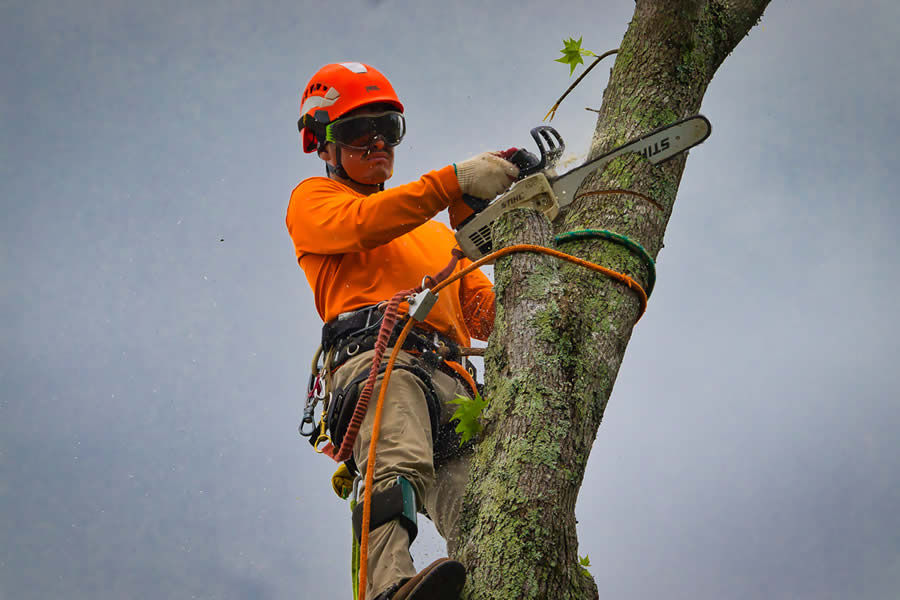
Maintaining healthy trees often entails controlling pests and diseases. With all the different ways homeowners can protect their yards, some cause more environmental damage in the long run. It is advisable to consult a reputable tree care company for guidance on effective control measures. At the Driscoll Tree Service, we leverage extensive knowledge and proven strategies to ensure you maintain healthy and durable greenery. If you suspect an infection or infestation, schedule a consultation with our certified arborists to prevent further damage and costly treatments.
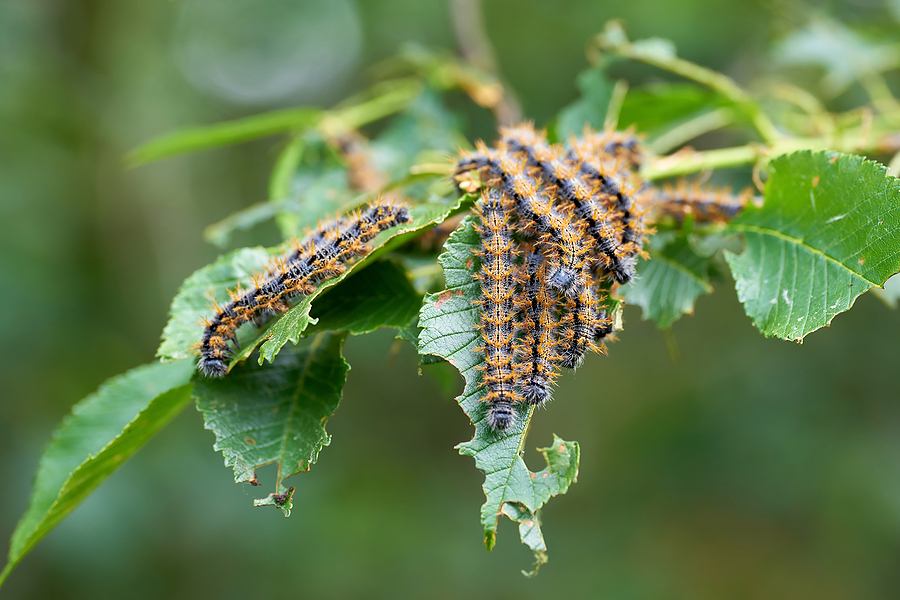
Chemicals provide a quick pest control solution. However, frequent use can have a lasting impact on the environment. Here are safer alternatives to protect your backyard without harming the ecosystem.
Pest infestations usually start small and grow over time. Fortunately, routine inspections by a reputable tree service can help you detect minor telltale signs before things get out of hand. Unlike untrained individuals, professionals have extensive expertise to pinpoint and address the problem quickly. In case of a severe infestation, the arborists may suggest Integrated Pest Management (IPM) or complete tree removal. IPM combines several proven control measures as traps, minimizing chemical use.
Some insects play a vital role in controlling pests, preventing damage without affecting overall tree health. A popular insect species is hoverflies, which predate on pests and help with pollination. Since different insects control specific pests, consult a trusted tree service provider to determine a suitable insect species for your pest problem. In addition, professionals can recommend plants that attract these beneficial insects, ensuring maximum protection year long.
Homeowners with a backyard greenhouse can benefit from a range of living products to keep pests at bay. If you have an open garden, the choices of predatory or parasitic organisms are limited, making it challenging to control pests. Hire a tree care company to determine suitable living products and match the vulnerable stage in the pest’s lifecycle for effective control.
Disease control usually entails limiting spread rather than eradicating it. Here are effective ways to control tree diseases without harming the environment.
One effective way of controlling the spread of diseases is to remove the affected parts. The last thing you want is an infected branch affecting the entire tree and surrounding greenery. Pruning may seem straightforward, but without the expertise required, you risk severe damage and premature tree removal emergencies.
Mulch can act as a barrier to stop disease spores landing on plants. A 3 to 4-inch layer of mulch in the winter can bury rose black spot spores and other harmful organisms, preventing re-infection or spreading in spring. Also, incorporating green manure into the soil can control fungal pathogens, ensuring optimum health year long.
Whether you are dealing with pests or diseases, implementing these control measures can protect your yard and the ecosystem. Contact us at the Driscoll Tree Service and schedule a consultation with our experts. We provide tailored solutions to without breaking the bank, ensuring your trees remain in tip-top shape.
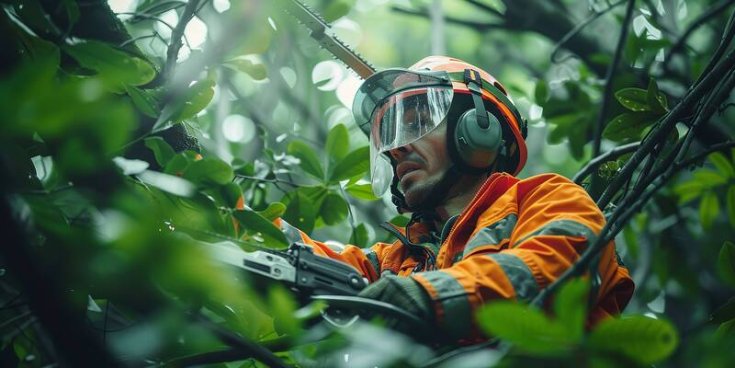
Different Types of Trees Should Be Trimmed at Different Times Towering, intricate, and surprisingly sensitive, trees are among the most impressive living things on Earth. For Metro Atlanta property owners, trees are a central part of the landscape. These functional,…
Read More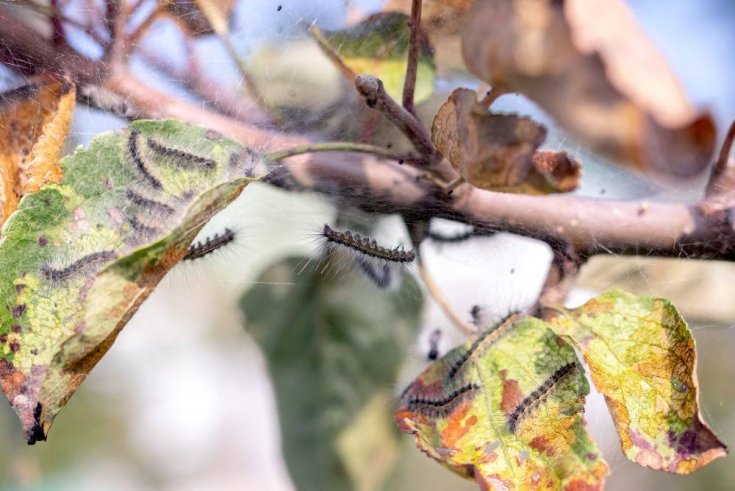
How to Help Prevent Tree Pests Trees are vital to our environment, providing many benefits like shade, oxygen, and beauty. However, they are also susceptible to pests that can cause significant damage and premature tree removal if left unchecked. Driscoll…
Read More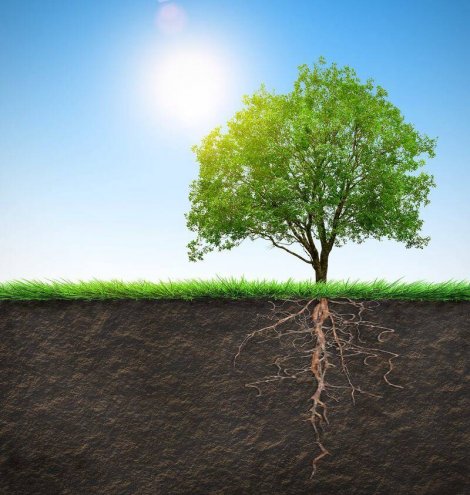
4 Signs of Tree Root Damage Trees are valuable additions to any landscape and offer various environmental benefits. Regular care is critical to maintaining healthy and durable trees, like most living things. If you suspect deterioration in your trees, the best…
Read More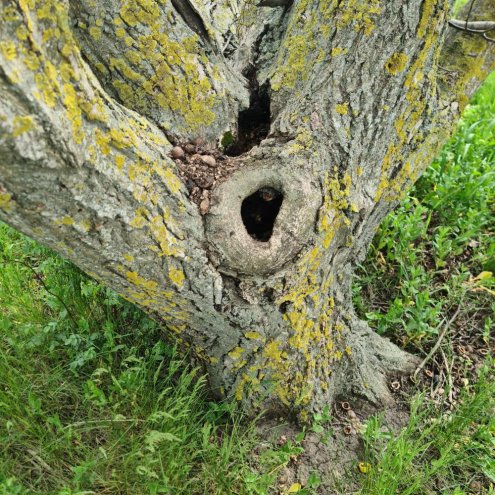
Should You Fill Holes or Cavities in a Tree? Trees usually develop cavities and holes over time, which are often mistaken for infections or infestations. While these fissures may raise concerns about the tree’s overall health, they are a natural…
Read More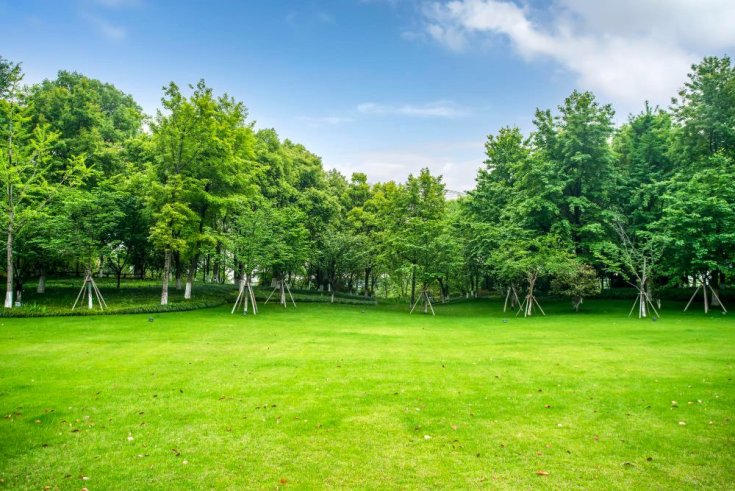
Most Interesting Facts About Trees Trees provide more than just clean air for the planet; they are entities that have been around for many years, bearing witness to Earth’s rich history. As a professional tree care company, the Driscoll Tree…
Read More.jpg)
How to Manage Fallen Tree Leaves in Your Yard We've got all four seasons here in the Metro Atlanta area, but the seasons like to blur their lines. One minute it’s spring; the next it’s 90 degrees with a chance…
Read More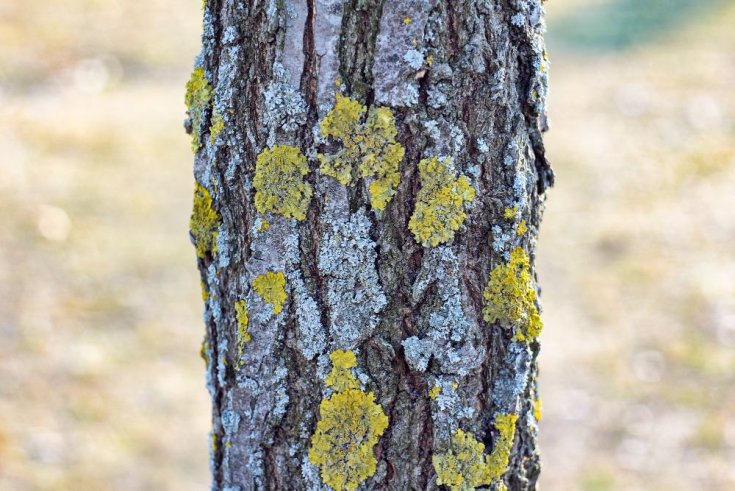
5 Common Tree Disease Treatments Trees are vital for our environment, providing shade, oxygen, and beauty. However, trees are susceptible to diseases that can compromise their health and longevity. As a reputable tree care company, Driscoll Tree Service provides proper…
Read More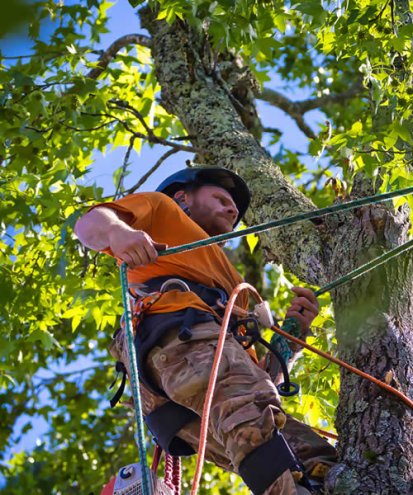
Eco-Friendly Tree Removal Trees are valuable entities in our ecosystems, providing habitats for wildlife, absorbing carbon dioxide, and improving the planet’s overall health. However, there are instances when tree removal is the best option to protect your yard from diseases,…
Read More
Why My Trees Look Bad Trees are alive and need regular care. Like most living things, they can get injuries or diseases. While it is not always easy to identify signs of infection or infestation in trees, you may have…
Read More
How to Help Flooded Trees & Shrubs Flooding can cause significant damage to trees and shrubs, especially if water remains stagnant for long. While these plants are resilient, excess water can weaken their root systems and affect their growth, causing…
Read More