Menu
Menu
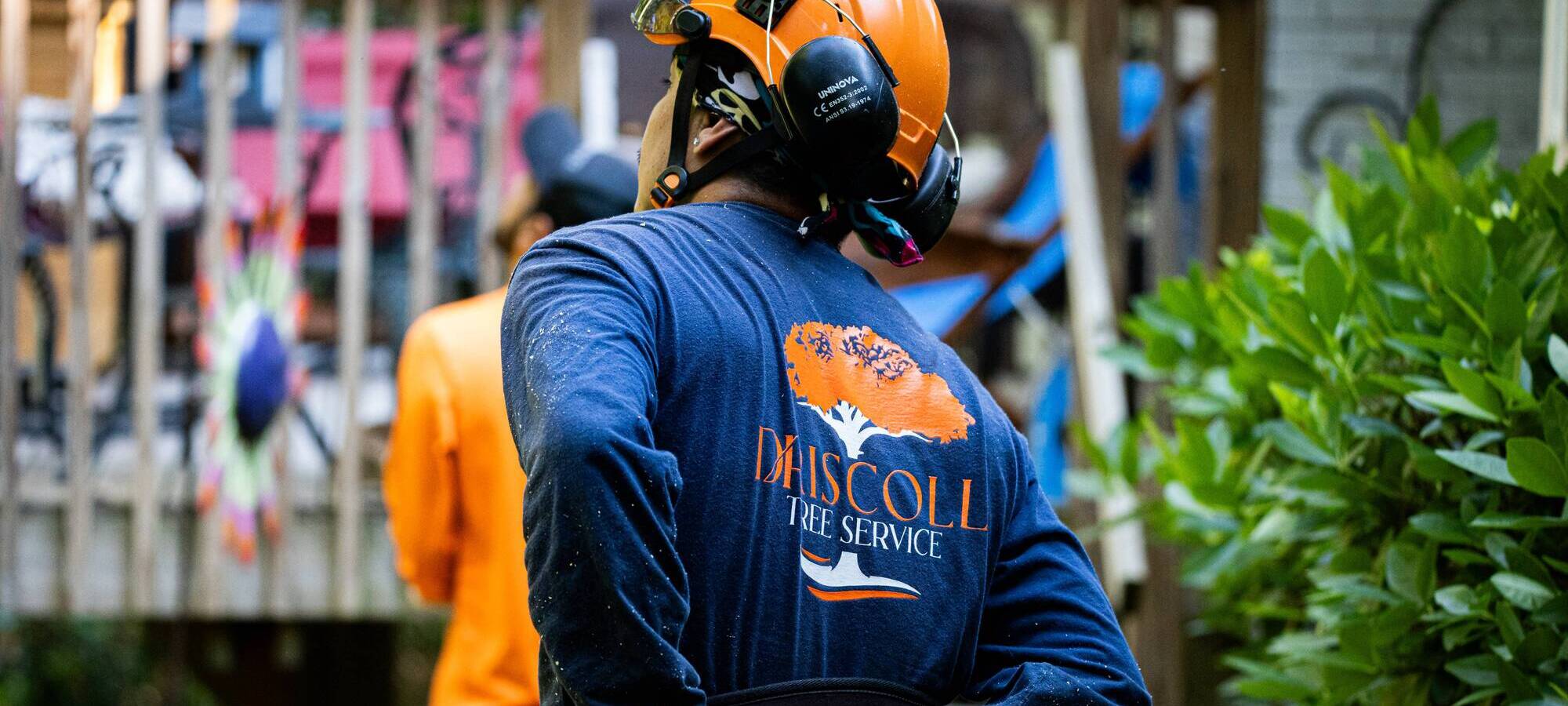

I was very impressed with how quickly and professionally they worked. They were in and out in an afternoon. They had to remove a giant Red Oak, and did so with great skill and speed. Their price is very affordable and beats out most of the competition around. I highly recommend Driscoll Tree Service. We will use them again for all of our future tree removal needs! Seriously, give them a call. They are awesome!
I had a large oak tree taken down near power lines and an outdoor kitchen. I was well informed about the work they were going to do and how long it should take. The team was professional, fast and dropped the tree safely. They used a bucket truck and climber to trim branches from the top half of the tree with no damage to the yard around the tree. I am extremely pleased with Driscoll Tree service work.
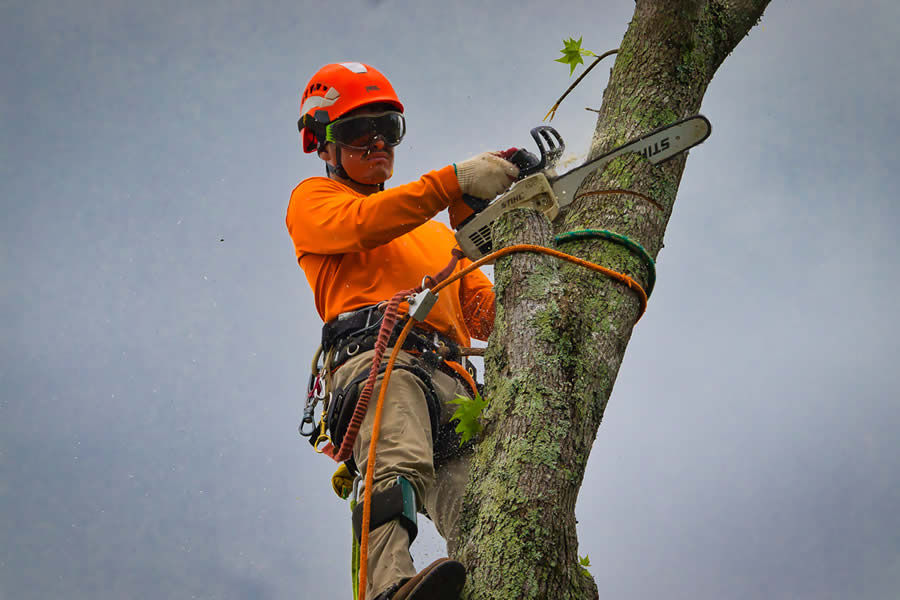
Trees are valuable additions to any landscape and offer various environmental benefits. Regular care is critical to maintaining healthy and durable trees, like most living things. If you suspect deterioration in your trees, the best solution is to hire a professional tree service. While the damage may not be severe, it usually shows an underlying issue that becomes more pronounced in the long run. Driscoll Tree Service has seasoned arborists with extensive experience ready to assess, detect, diagnose, and address trivial telltale signs before your trees succumb and die. Here are four signs you have damaged roots.
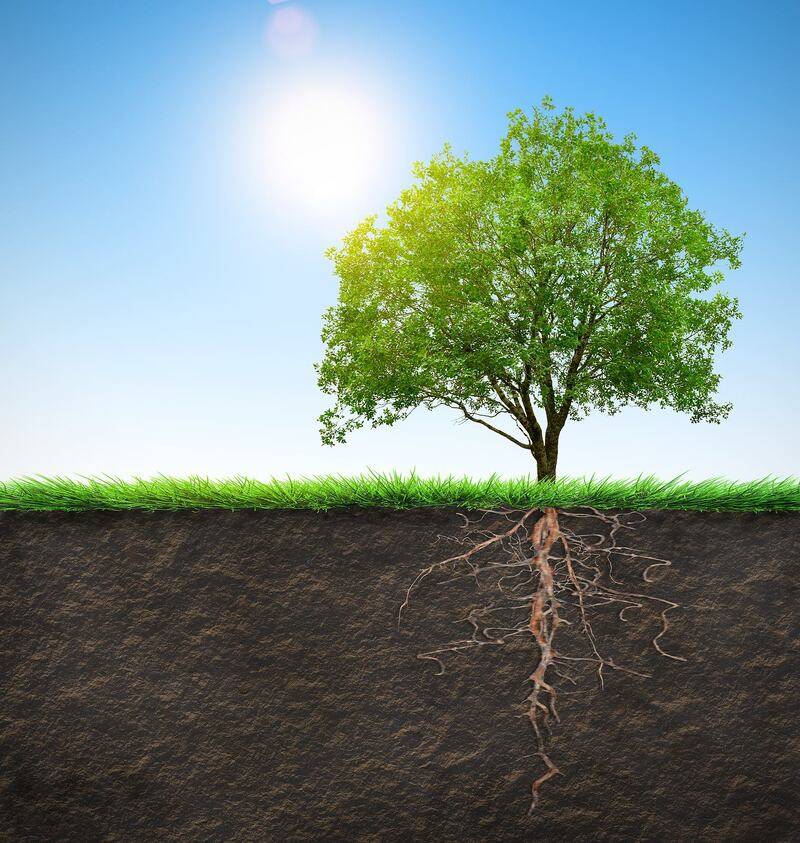
Scorched leaves are brown and shriveled. A range of things causes this, but lack of sufficient water is often the reason for the deterioration. Roots transfer essential nutrients and water to other parts of the tree, but damaged roots can’t perform this vital task, which affects the tree’s health. As mentioned, leaf scorch is caused by various factors, and hiring a tree care company to pinpoint the problem is important. We use industry-standard equipment and experience to ensure the root of the leaf scorch is detected and addressed before wreaking havoc on other parts of the tree.
Fungal infections can compromise tree roots, resulting in diseases like root rot which percolates through the entire root system. It can be challenging for homeowners to detect root rot in the initial stages of infection, hence the need to schedule routine inspections with a reputable tree service. This prevents us from spreading upwards into the canopy and consuming the whole tree. Severe cases of fungal infections usually result in the growth of mushrooms and conks around the base of the tree. If you see any of these signs, please call a professional.
Steady growth is a sign of healthy roots. While this may depend on the tree species, soil type, and nutrients, we recommend checking the roots in most cases. This is critical if you regularly water and fertilize your trees. Damaged roots can’t absorb moisture and nutrients needed for healthy growth, leading to stunted development. A tree care company has the tools and expertise to determine the cause of slow growth and recommend long-term solutions. Before attempting DIY alternatives to salvage a tree growing smaller than expected, consult a trusted tree service for advice.
When branches lack sufficient sustenance, they die. The roots connect the tree’s vascular system, which carries nutrients and water from the ground to the branches. If a section of the roots is damaged, the corresponding section of branches will suffer from dieback. It is advisable to schedule a maintenance inspection with a tree care company when you detect deterioration. Identifying minor signs of damage goes a long way in salvaging the tree and preventing an untimely death.
Contact us at Driscoll Tree Service for professional help to address root and tree-related damage. Please schedule a consultation with our representatives to learn more about our services, and have all your tree care needs to be addressed without breaking the bank.
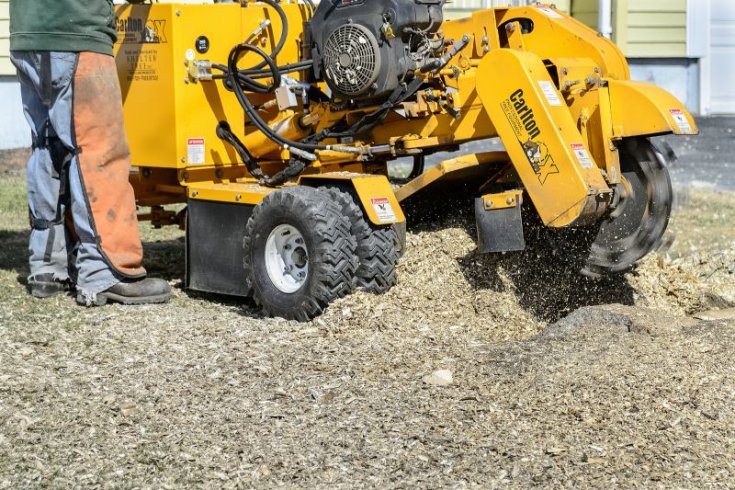
Should I Get Tree Stump Removed or Grinded? No one likes to have tree stumps jutting out of the ground. These are not only eyesores. They are trip hazards and can attract pests and diseases. If you want to get…
Read More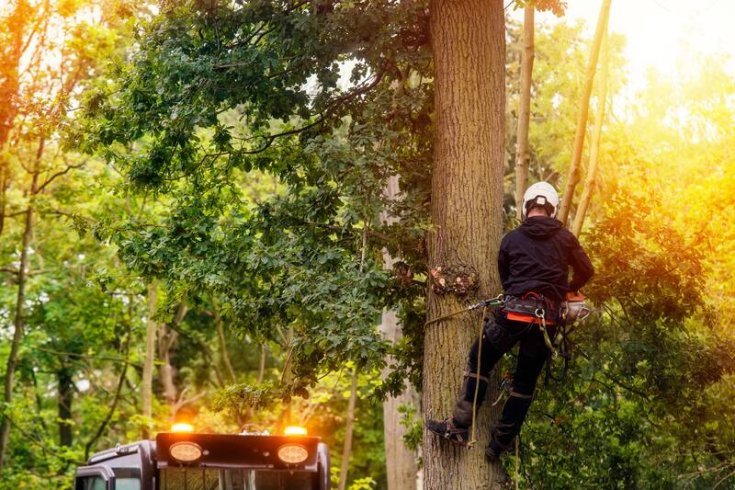
What Can Go Wrong With Untrained Tree Removal If you’ve ever stood in your yard and looked up at a big and diseased or aging tree, then you know the mix of feelings it can stir. On one hand, that…
Read More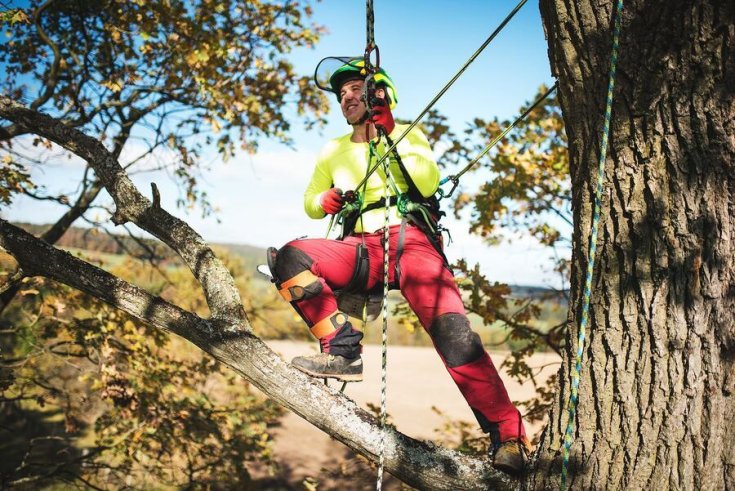
Tips and Techniques for Tree Removal Tree removal is a significant task that requires careful planning and execution to ensure safety and efficiency. Because of disease, hazard, or landscape redesign, proper techniques are crucial for a successful removal process. Driscoll…
Read More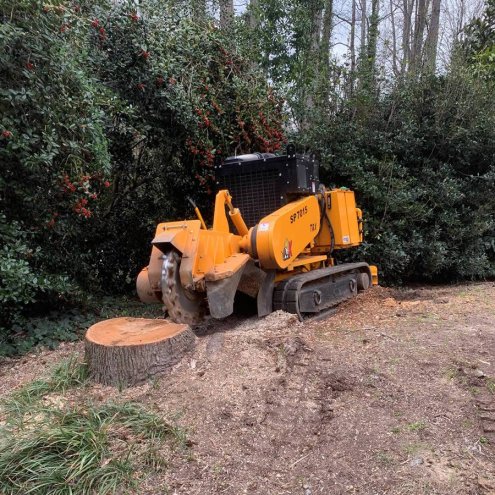
How Much Does It Cost to Grind a Tree Stump? Tree stumps may not raise concerns initially but compromise the aesthetics and safety of your yard. If you have an unsightly leftover on your property, grinding is as an efficient…
Read More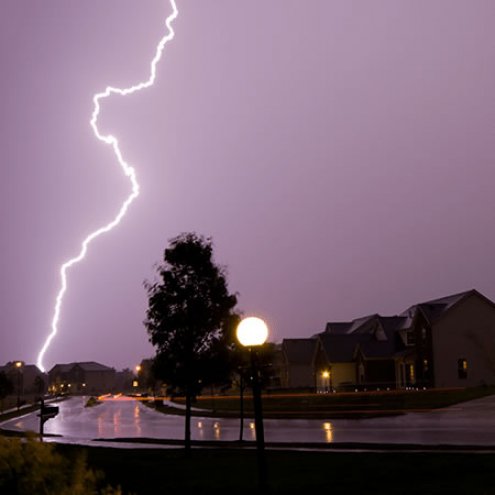
Trees and Lightning Strikes Lightning doesn’t strike the same place twice. While this might be true, you know how destructive it can be if you live in an area that frequently experiences such weather phenomena. Towering trees are easy targets,…
Read More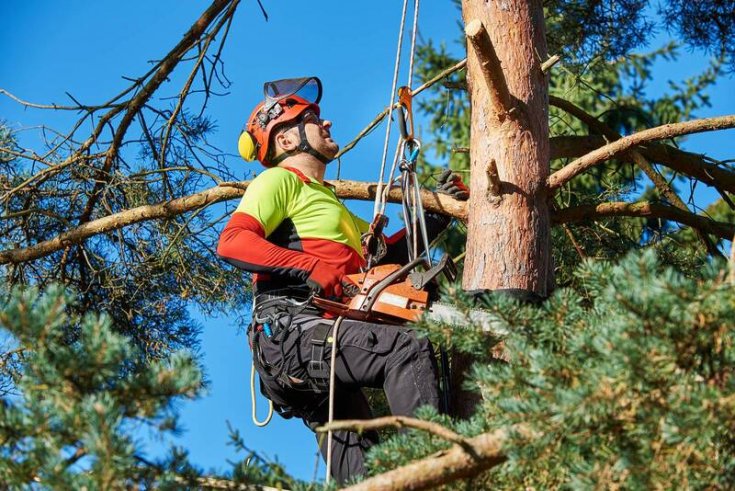
6 Tree Pruning Tools Pros Use When caring for your trees, there is no room for compromise. Professional arborists understand the importance of using the right tools for the job. Whether it’s trimming branches for aesthetics or maintaining the health…
Read More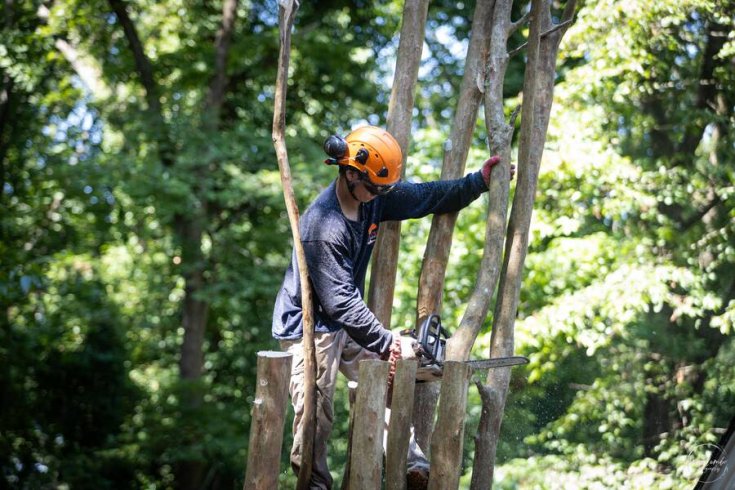
3 Reasons to Have Your Fruit Trees Trimmed This Year Tree trimming might seem like just a haircut for your trees, but it’s much more than aesthetics when it comes to fruit trees. Annual trimming plays a vital role in…
Read More
Trees and Your Home: Tips for Extending the Lifespan of Your Roof A well-maintained roof is crucial for any home, as it protects against the weather and maintains structural integrity. While trees can enhance property beauty and value, if they…
Read More
Ideal Evergreen Trees to Plant in Your Landscape Evergreen trees are a cherished addition to any landscape, providing year-round beauty and many practical benefits. While deciduous trees may shed their leaves in the fall, evergreens maintain their lush foliage throughout…
Read More
Can You Cut Your Neighbor’s Overhanging Tree Branches? Neighborly conflicts are common among many homeowners, the most common being trees or branches hanging from the neighboring yard. If you’ve asked your neighbor to remove the branches with no luck or…
Read More