Menu

Menu
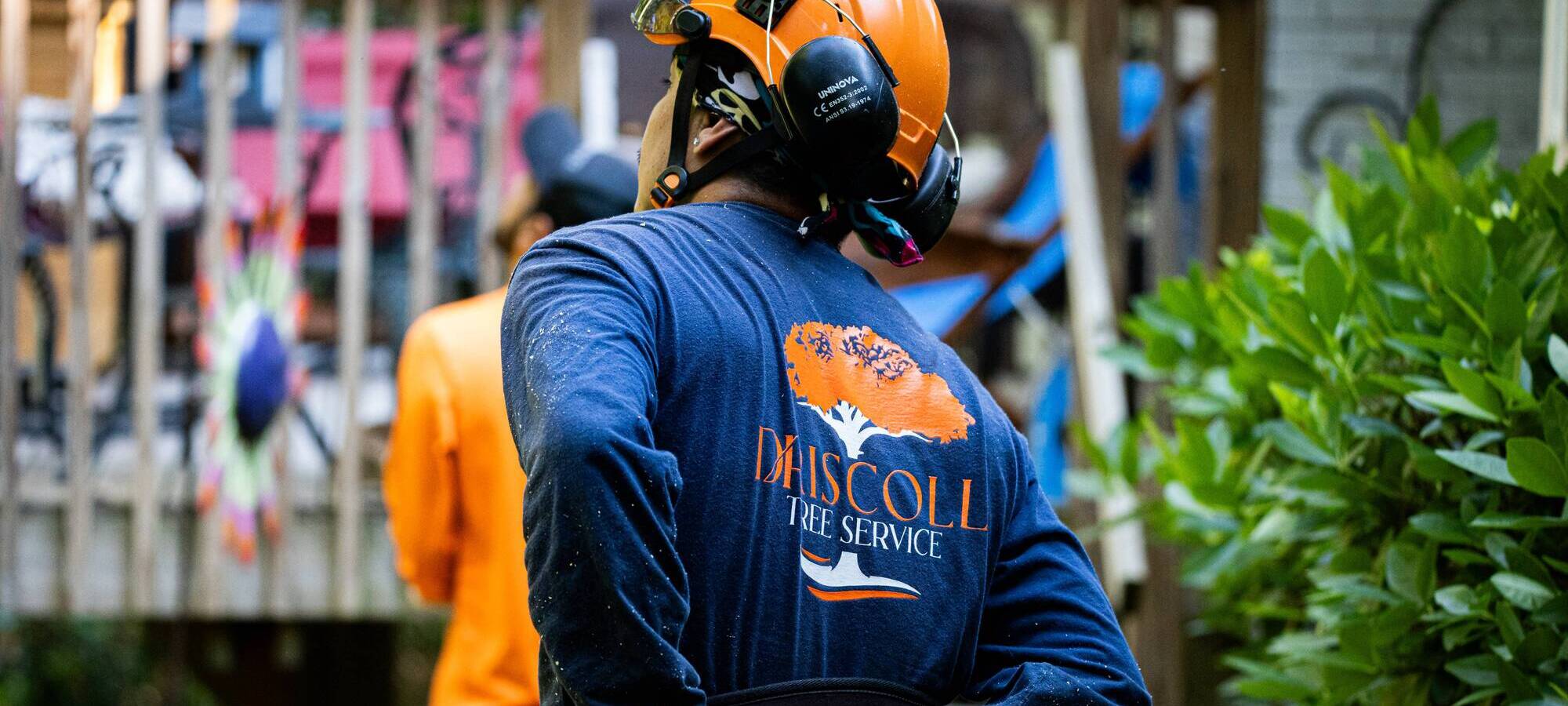

It took a while for the weather to cooperate, but when the time came, all went well with excellent results. The crew removed a large water oak and a small trash tree. They worked well together and when finished, the job site was cleaned up nicely. They were friendly and informative. Neighbors were also impressed. I highly recommend Driscoll Tree Service.
Efficient, Affordable, and Professional what more can you ask for in a company. I had a big tree in my yard that needed to be cut down. From the estimate from Michael and the actual job being performed by his crew, everything was satisfactory. Including the clean-up. They’re also licensed and insured so that made selecting for the job even more comfortable. I highly recommend Driscoll Tree Service for your tree removal.
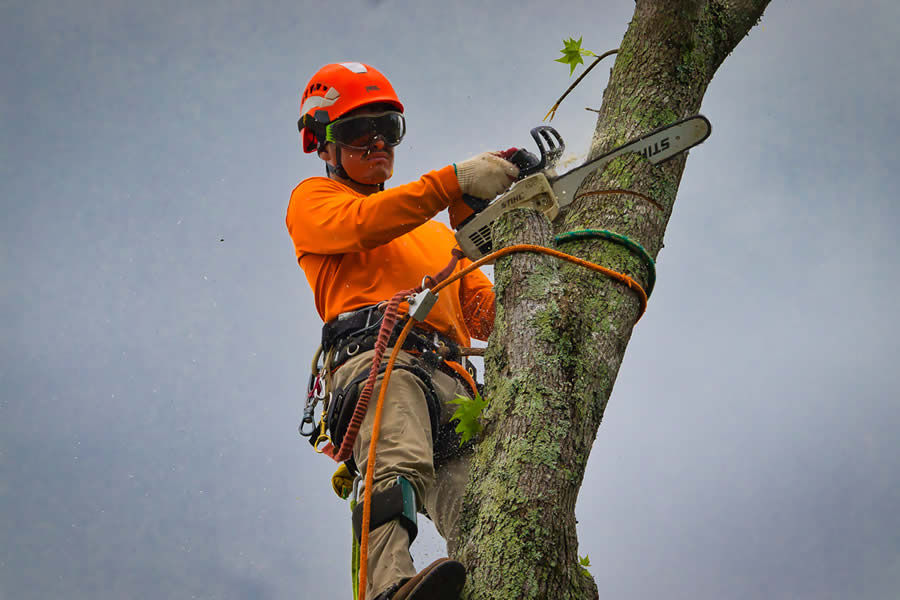
Tree pruning is vital for optimum health and longevity. It is the equivalent of a haircut, as it enhances aesthetics and prevents diseases. Unfortunately, many homeowners prefer handling yard maintenance alone, which results in haphazard cutting and severe injuries. Like most invasive tree maintenance activities, pruning should be done during the dormant season, but there are exceptions for cherry and apricot trees.
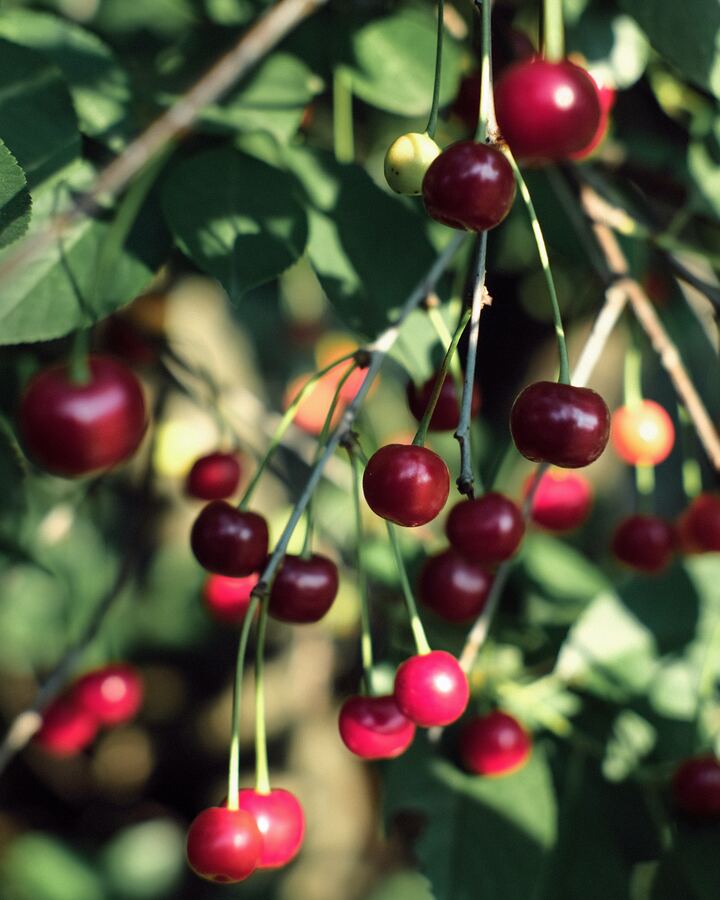
These trees are pruned in the summer, and Driscoll Tree Service has much experience in this field. Leverage our extensive knowledge and industry-standard equipment to ensure safe and efficient tree pruning. If you prefer a more hands-on approach, here are tips to help you prune cherry or apricot trees in your yard.
We recommend pruning apricots and cherry trees in mid or late summer and training them in a customized central leader system. The best time to train your trees is between June and July. Select four permanent scaffold branches, and ensure the first branch is nearly 24 inches from the ground. Select the branches coming off the trunk at a 45 to 60-degree angle because they are more robust. It is advisable to choose scaffold branches on different quadrants of the tree but not on top of each other.
The best way to ensure the proper spacing is to leave an eight to ten-inch vertical space between them. If you have a well-spaced branch less than the recommended 45 degrees, place a spreader between the trunk and the branch to stretch it out. As a professional tree care company, we label the scaffolding branches to ease pruning.
Once you have labeled the scaffolding branches, prune back the non-scaffolding branch at least six inches or the first set of leaves. The remaining branch stubs will be removed after you shade the trunk and prevent sunscald. Next, prune competing leader shoots, especially the ones growing around a strong central leader. Trim the central leader about 20 inches from the top scaffolding branch to stimulate growth. The idea is to have at least five to seven scaffolding branches before scalding back the top scaffolding branch or central leader. If you lack the expertise or tools required, hire a professional tree service to mitigate severe damage.
Apricots and cherry trees are valuable additions to any landscape. These trees are beautiful ornaments and provide shade and delicious fruits. Regarding routine maintenance, we recommend working with a tree care company. Our arborists are certified and insured, giving you peace of mind knowing everything is executed professionally. In addition, certified tree service providers show commitment to the trade and use proven pruning techniques to optimize health and longevity.
Driscoll Tree Service is the go-to company for unmatched care and maintenance if you have fruit trees in your backyard. Contact us today and schedule a consultation with our representatives. We can dispatch an ISA-Certified arborist to your location within a moment’s notice to address all your needs.
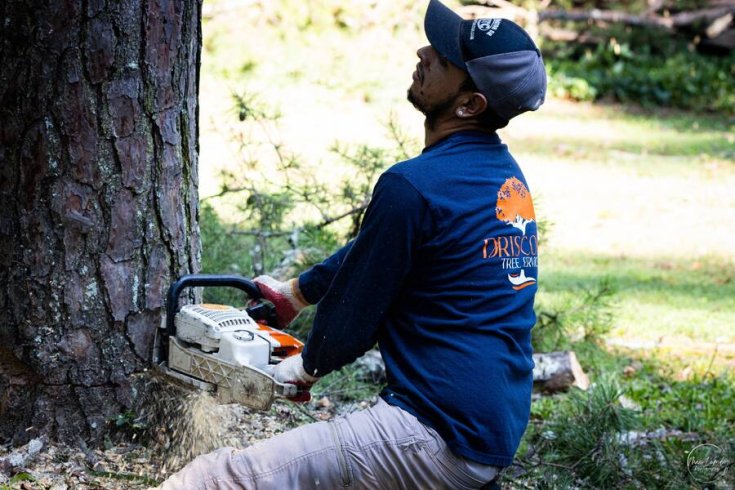
How Much Does It Cost to Remove a Tree? For starters, tree removal should be left to the professionals, whether the tree is big or small. A DIY approach may seem like a way to save money, but we don’t…
Read More
Don't Ignore This Winter Tree Maintenance Winter is often characterized by barren trees sleeping dormant against ice and snow. While this is a breathtaking sight, property owners often overlook maintenance, forgetting these sleeping giants are alive under the snow. Proper…
Read More
Different Types of Trees Should Be Trimmed at Different Times Towering, intricate, and surprisingly sensitive, trees are among the most impressive living things on Earth. For Metro Atlanta property owners, trees are a central part of the landscape. These functional,…
Read More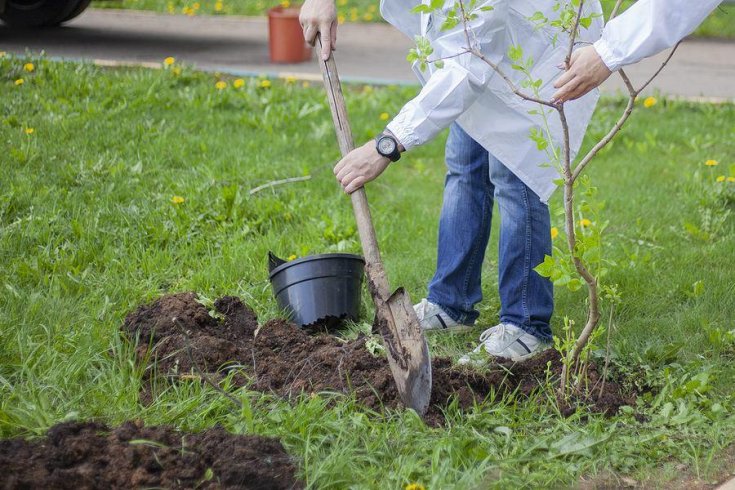
Planting Trees Properly Planting a tree is a rewarding and environmentally conscious act. However, following the proper planting techniques is essential to ensure its long-term health and growth. Here’s a helpful guide through planting a tree. As a professional and…
Read More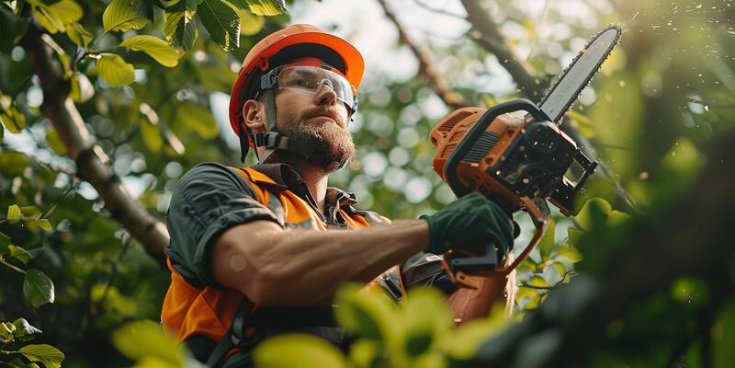
What Questions Should I Ask a Tree Service Company? Mature trees do more than make a yard look good. They also provide shade, improve air quality, and in some cases even produce fruit. They can also boost property value by…
Read More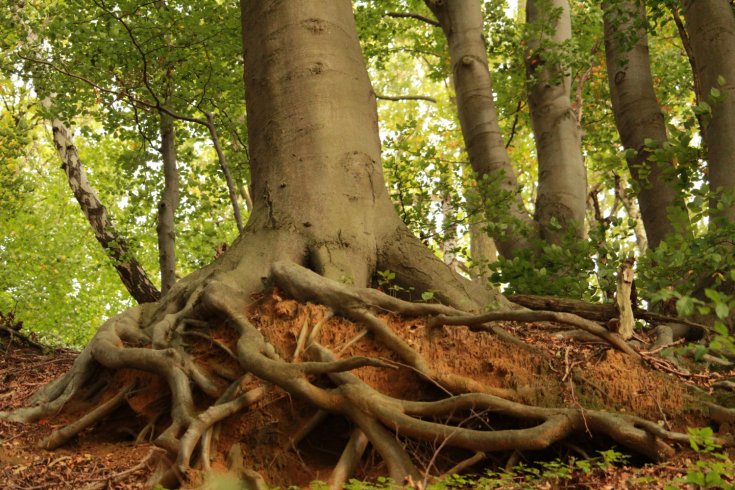
The Impact of Tree Roots on Your Home Trees are a valuable addition to any landscape, providing shade, aesthetics, and a habitat for wildlife. However, these majestic entities pose a significant threat to your property, especially the foundation, plumbing, and…
Read More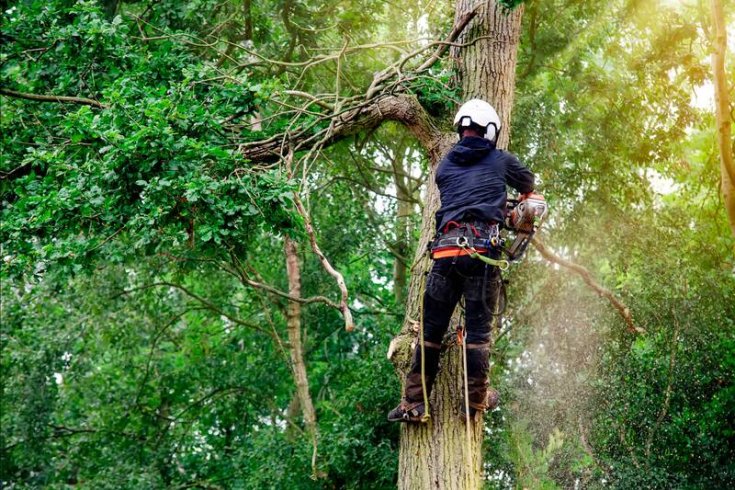
That Tree Might Be Trying to Tell You Something Trees may not speak our language, but they are constantly sending messages. Every leaf, branch, and root tells a story about what’s happening inside the tree. Some signals are harmless, others…
Read More
Top Reasons to Hire a Certified Arborist for Tree Services Trees are among the best investments you can make in your property. They offer aesthetic, provide shade, increase home value, and can even give you delicious fruit to enjoy. However,…
Read More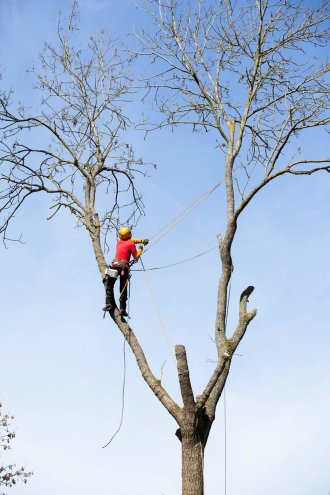
Trees are some of the most beautiful and beneficial parts of any outdoor space. It’s hard not to appreciate their tall branches, fluttering leaves, and calming presence. They offer us oxygen, shade, privacy, and - in some lucky cases -…
Read More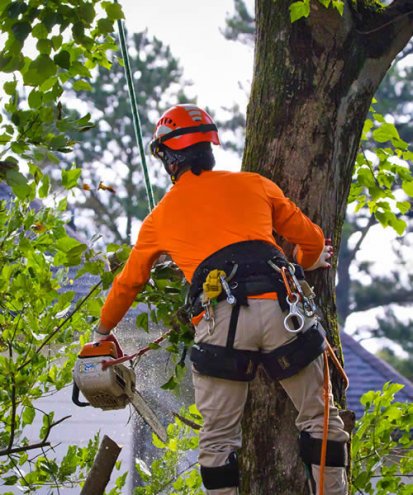
Tree Trimming & Pruning Mistakes to Avoid Do you have trees on your property that seem in bad condition due to improper tree trimming techniques? This is a common problem that most people make, compromising the health and well-being of…
Read More