Menu
Menu

The service for Driscoll Tree Service was outstanding. Michael came out to meet with me, explained the pros and cons of how to deal with my tree removal, and provided a clear quote for the service. The crew that came out to do the work was on-time, professional and did a great job. One of the trees they had to remove was tall and in a spot where they couldn't get any heavy equipment to it, but they were able to take it down in pieces without damaging my landscaping or fence. If you are looking for a professional and competent tree service, I definitely recommend calling Driscoll Tree Service.
Michael came out to evaluate some trees I had with a questionable fungus on them, and ultimately the course of action was removal for a select few. He got me an estimate for the removal within a matter of days. They had the most competitive prices out of the other estimates I got. Michael is a very knowledgeable Arborist and you can tell he is passionate about his work. He wasn't pushy at all about the removal like some of the other companies I had come out, and he advised me on doing it in "phases" to fit my budget. The actual tree removal and stump grinding itself was so smooth and all the workers that came with the crane and stump service were very professional and communicative about what the process was going to be.
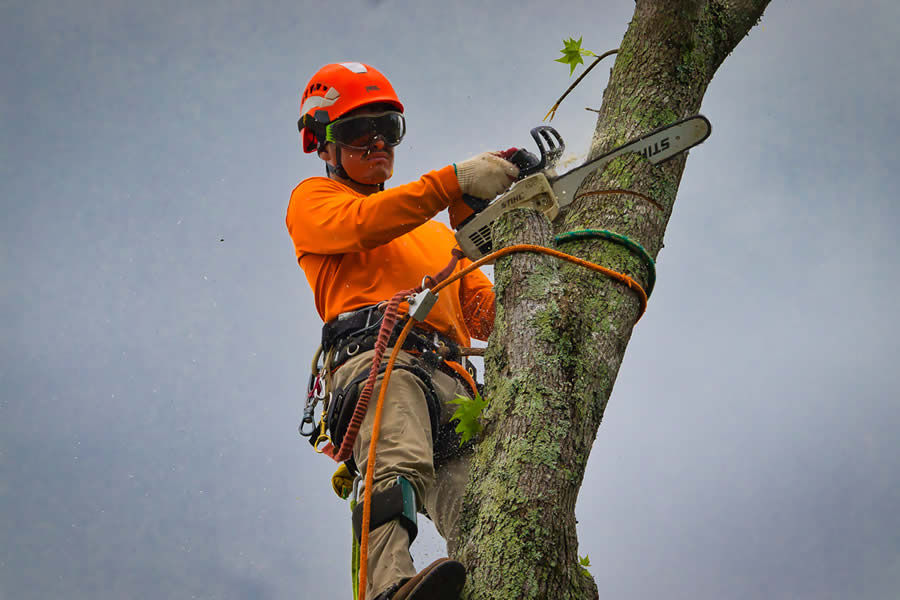
Trees are valuable assets that enhance the quality of your landscape and the ecosystem. These magnificent entities provide many benefits, including shade, beauty, and environmental benefits. However, they can experience structural deterioration or health issues, causing safety hazards, property damage, and premature tree removal. The most effective and proactive way to avoid such issues is to schedule a tree risk assessment. At the Driscoll Tree Service, we conduct comprehensive assessments that entail evaluating the health and stability of trees to mitigate potential hazards. Let’s explore the importance of tree risk assessments to help you maintain lush and durable trees.
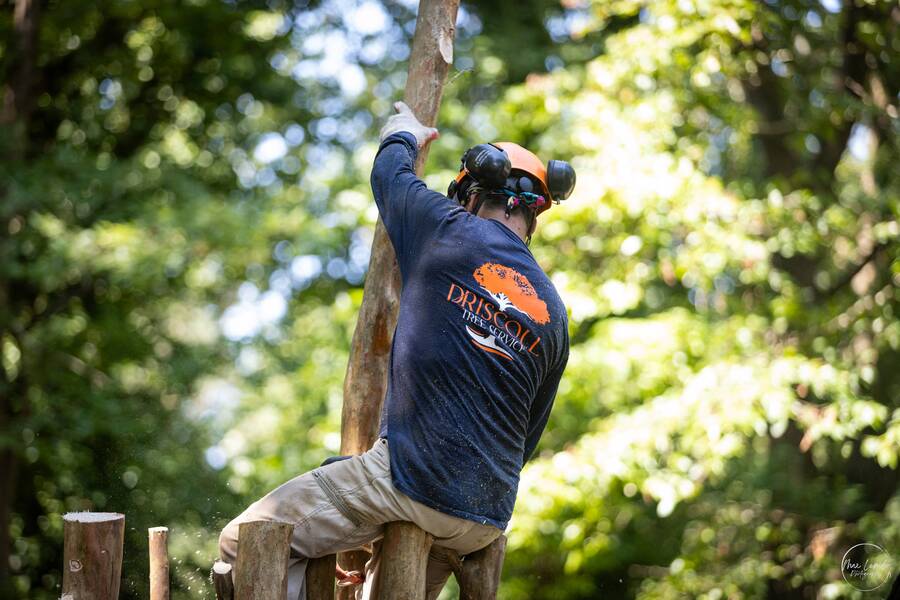
If you have mature trees near your home or commercial building, it can become a liability if diseases, pests, or structural issues arise. In addition, heavy branches can fall during storms or under the weight of snow, damaging roofs, windows, or vehicles. Scheduling a tree risk assessment with certified arborists helps you identify these weaknesses early, and take the most effective action, such as pruning or removal.
The safety of your family, neighbors, and visitors is crucial. Trees in your yard with internal decay, root issues, or unstable canopies can collapse unexpectedly, causing severe injuries or even fatalities. The last thing you want is a large branch shedding on your pathway or parking area, risking safety hazards. Regular tree risk assessments by a tree care company can help you detect these hidden dangers, allowing you to implement preventive measures and maintain a safe environment.
A tree risk assessment is not just about identifying trees that need removal, but also preserving healthy ones. Tree service professionals can diagnose issues like pest infestations, nutrient deficiencies, or early signs of disease, and recommend effective treatments to restore vitality. This enhances the tree’s life span and contributes to the aesthetic and environmental value of your property.
The norm in many communities is that property owners maintain the safety of trees on their land. Failure to schedule timely tree removal or pruning can cause legal action if an incident occurs. A professional tree risk assessment ensures compliance with local laws and provides documentation that shows a proactive approach to tree care and management. This can protect you from potential lawsuits and fines.
As stated, trees are crucial in the environment. We rely on these magnificent entities for supporting wildlife, improving air quality, and reducing the urban heat island effect. However, failing trees can pose a threat to the surrounding ecosystem by spreading pests or diseases to nearby vegetation. Tree service professionals can identify affected trees and implement measures to protect the health of the entire landscape.
While a tree risk assessment involves an upfront cost, it can save you a lot of money. Hiring a tree care company ensures early detection and reduces the likelihood of emergency tree removal, expensive repairs, or medical costs resulting from accidents. Preventive maintenance is always more cost-effective than reactive solutions, making tree assessments a wise investment.
Trees are crucial in any landscape, but their benefits come with the responsibility of ensuring they remain safe. Contact us at the Driscoll Tree Service and schedule a professional tree risk assessment with our arborists for peace of mind. Take a proactive approach in managing the risks associated with trees and enjoy their beauty and benefits for years.
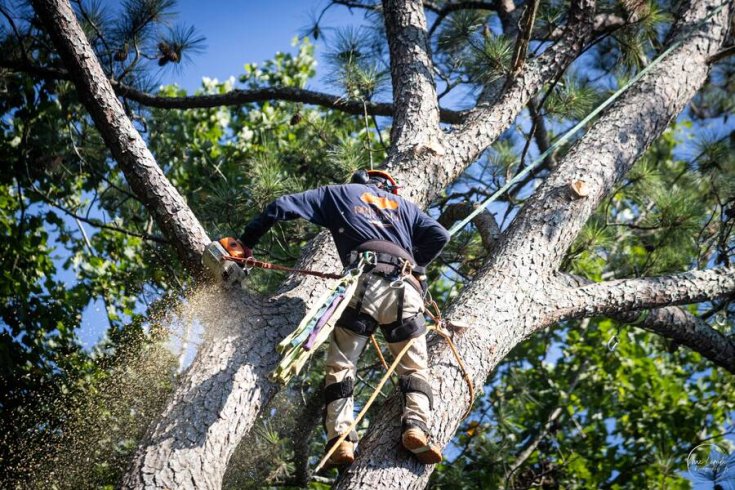
The Best Time of Year to Trim Your Trees (And Why It Matters) Trees are more than just scenery that beautify Metro Atlanta's landscape; they’re vital parts of our yards and provide shade, beauty, and environmental benefits. If you want…
Read More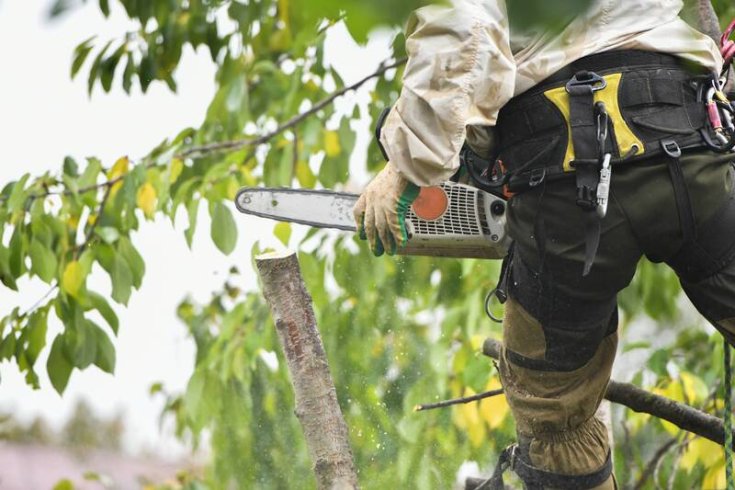
Pruning vs Trimming: What’s the Difference? When people think about tree service, trimming and pruning are usually the first things that come to mind. In fact, the terms are often used interchangeably. After all, both involve cutting branches, shaping growth,…
Read More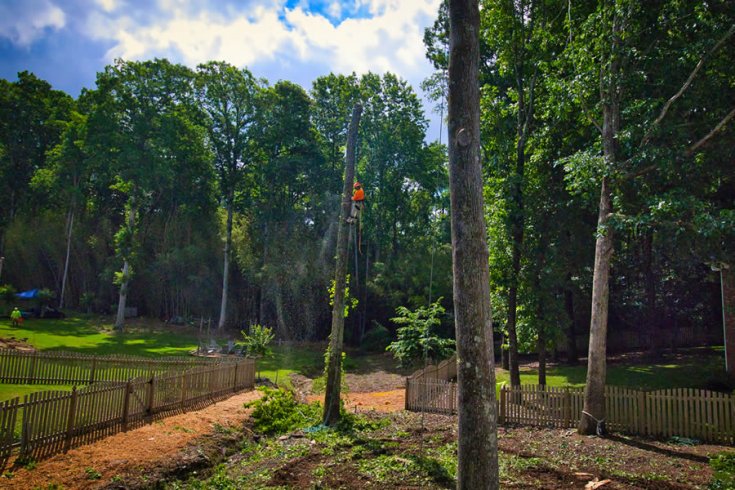
How to Tell if a Tree is Dead or Dying Trees are a valuable addition to any landscape; after spending a lot of time with them, you can tell when something is off. Some signs of damage can be detected…
Read More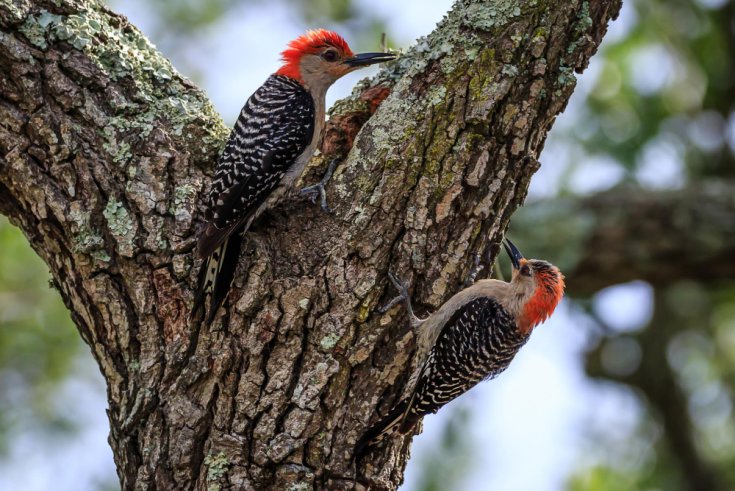
Notice Woodpecker Damage On Your Tree? Here’s What To Do Trees are a magnet for life. They provide shade, beauty, fruit, and oxygen - and they also play host to a wide range of wildlife. Birds, in particular, love trees.…
Read More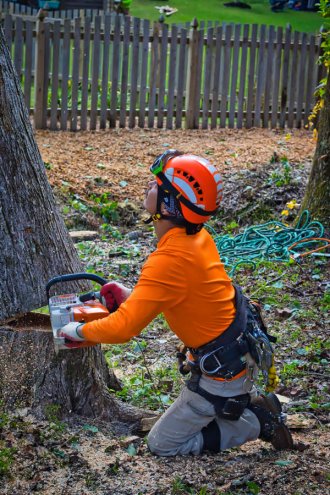
Professional Tree Service vs. Handyman Large green trees are a valuable addition to any landscape. Healthy trees enhance the overall curb appeal and property value, purify the air, and attract wildlife. Routine maintenance is vital to ensure your trees grow…
Read More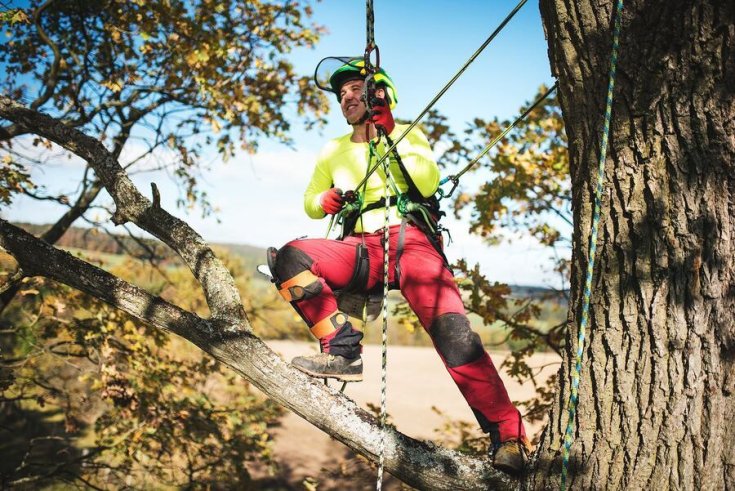
Top Signs You Need an Arborist to Inspect Your Trees Most of us love the trees on our property because they offer shade, beauty, privacy, and even fruit in some cases! Despite our appreciation, how well do we really understand…
Read More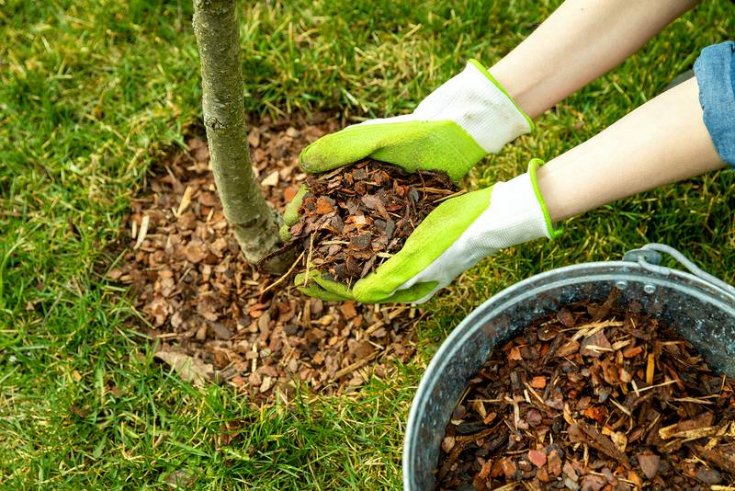
Mulch Myths and Truths As we head towards cooler months, it is critical to maintaining a healthy yard. One of the essential tree care practices before winter is adding a layer of mulch around your trees. You can use many…
Read More
4 Tree Pests to Look Out for this Fall As the leaves change color and a crisp breeze fills the air, fall shifts the natural world. However, not just the season’s beauty capture our attention. With the changing weather, certain…
Read More
How to Keep Your Trees Healthy Keeping trees healthy is not just essential for the aesthetics and safety of your landscape but also improves the quality of the environment. However, like other living things, trees need routine care and maintenance…
Read More
Debunking Common Myths About Tree Removal Trees are magnificent entities that provide many advantages. However, different circumstances like disease, infestation, landscaping needs, or severe damage may prompt tree removal services. While healthy greenery is an asset for property owners, when…
Read More