Menu
Menu

We called to have two large pine trees removed since they were in the way of where we needed to put our fence. We are slackers and always wait until the last minute to do anything so of course, we tried to find someone that could take these out quickly as we needed it done ASAP. These guys came out the same day I called and were able to get them out the next day. I was so impressed by how nice and professional they are, it’s nearly impossible to get anyone to come out and/or follow up with anything so it was extremely refreshing that they did both without me having to call and ask what the hold up was. I will forever use this company for future needs. Thank you again!!
The service for Driscoll Tree Service was outstanding. Michael came out to meet with me, explained the pros and cons of how to deal with my tree removal, and provided a clear quote for the service. The crew that came out to do the work was on-time, professional and did a great job. One of the trees they had to remove was tall and in a spot where they couldn't get any heavy equipment to it, but they were able to take it down in pieces without damaging my landscaping or fence. If you are looking for a professional and competent tree service, I definitely recommend calling Driscoll Tree Service.
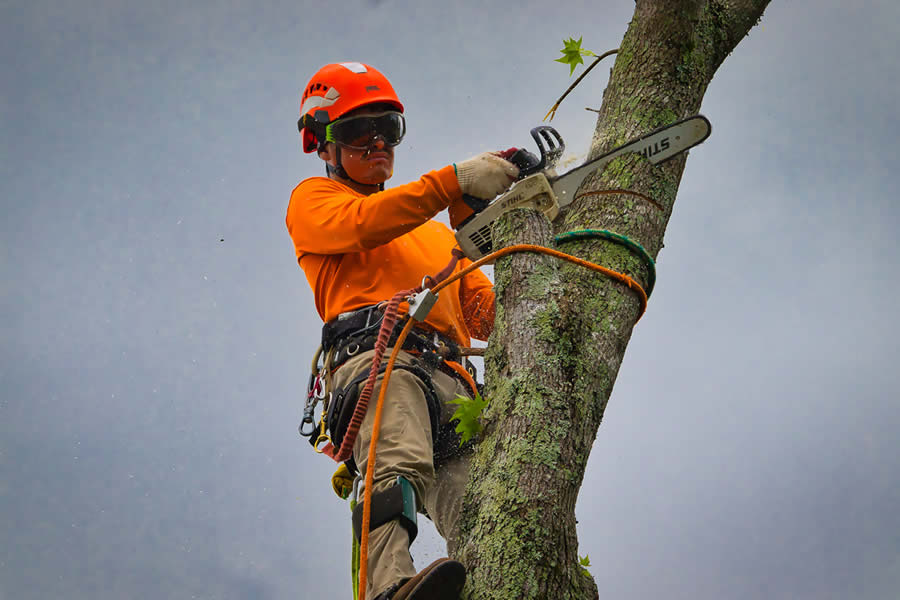
Do not attempt heavy tree limb removal with just a ladder, chainsaw, and your helping hands. Large limbs can weigh hundreds of pounds, store enormous amounts of mechanical tension, and swing or drop unpredictably when they separate from a tree.

This is why professional arborists use climbing systems, rigging equipment, bucket trucks, and cranes to control those forces and lower heavy limbs safely.
If a large branch threatens your roof, driveway, vehicles, or power lines, then call for professional tree service in Auburn, GA instead of turning a dangerous job into a weekend project. The uniformed team at Driscoll Tree Service has decades of cumulative industry experience.
Most homeowners drastically underestimate branch weight. A single limb that looks manageable can weigh 300, 500, or even 1,000 pounds depending on its length, diameter, and wood density. Don’t forget: green wood holds significant water content, which adds substantial mass beyond what dry lumber weighs.
Moreover, you're not just removing weight gradually when you cut into a branch under tension; you're releasing stored mechanical energy in an instant. A branch can snap violently, whip in unpredictable directions, or drop instantly with crushing force.
Don't gamble with physics you don't fully understand; bring in a tree company that handles this calculation every single day. Driscoll Tree Service is proud to serve homeowners, businesses, property managers, and more.
Many DIY trimming attempts start with one simple idea: climb a ladder and cut the troublesome branch. It’s almost never that simple.
Remember, a chainsaw requires both hands for proper control while a ladder requires stable positioning and balance. Add a heavy branch that can shift as you cut and you have several hazards competing for your wellbeing at once.
Even a relatively short fall can cause severe injuries. A fall from significant height can cause catastrophic harm. A qualified tree company can select climbing equipment or an aerial lift based on the tree, the work area, and the size and position of the limb.
A chainsaw provides cutting power, but it lacks in control.
After a cut separates a heavy limb, gravity determines where the branch wants to go (unless there’s a system that controls its movement). If the limb falls onto a roof, fence, vehicle, landscape feature, or another tree, the homeowner can face thousands of dollars in damage.
Professional arborists can attach ropes and rigging hardware to strategic points on a limb. They can then use those systems to manage the branch as it leaves the tree. Instead of letting gravity dictate the outcome, professionals create controlled movement.
Did you know that you don't need to touch a power line directly to get electrocuted? Electricity arcs through the air, through wet branches, and even through your equipment when you get too close.
Branches tangled in or near power lines create especially dangerous situations. Cutting a limb that's touching a line, or even nearby a line, can send lethal voltage through the branch, your ladder, and directly into you.
DIY tree trimming seems like an obvious way to save money, but consider the real costs when things go wrong. Emergency room visits for chainsaw injuries or falls easily exceed $10,000 once you factor in treatment, follow-up care, and potential lost wages from missed work.
Property damage from uncontrolled falling limbs adds additional expense. Think a branch crashing through your roof, crushing your car, or damaging your neighbor's fence.Compare these potential costs to the price of hiring qualified professionals.
At Driscoll Tree Service, our tree removal and trimming services come with transparent pricing. Call or message us today to learn more about our prices and fees.

Summer Pruning Tips for Cherry and Apricot Trees Tree pruning is vital for optimum health and longevity. It is the equivalent of a haircut, as it enhances aesthetics and prevents diseases. Unfortunately, many homeowners prefer handling yard maintenance alone, which…
Read More
Can You Remove Trees & Stumps During Winter? Trees offer a wide range of benefits for the environment and your home. However, winter confines most people indoors, reducing the time to enjoy outdoor spaces. Homeowners usually overlook yard care during…
Read More
6 Tree Pruning Tools Pros Use When caring for your trees, there is no room for compromise. Professional arborists understand the importance of using the right tools for the job. Whether it’s trimming branches for aesthetics or maintaining the health…
Read More
Signs Your Tree’s Roots Are Quietly Ruining Your Home's Foundation A common misconception about tree roots is that they punch through concrete like battering rams. This is not the case when it comes to foundation damage. The actual threat is…
Read More
Will Homeowners Insurance Cover Tree Removal? What You Need to Know After a Storm Georgia homeowners insurance may cover tree removal when a fallen tree damages an insured structure or blocks a qualifying access point, such as a driveway. However,…
Read More
What's The Right Time of Year to Remove Trees? Trees provide a range of benefits to your property and the ecosystem. Whether it is enhancing curb appeal and giving shade or cleaning the air, the value of trees can’t be…
Read More
Eco-Friendly Tree Services: What to Look For We might forget it at times, but trees are more than landscape fixtures; they anchor ecosystems, regulate temperature, improve air quality, and, frankly, increase property value over time. So, when it comes time…
Read More
Common Mistakes to Avoid When Trimming Fruit Trees Trimming is one of the best things you can do for your fruit trees—but only if you do it correctly. At first glance, this task may seem like an easy task, but…
Read More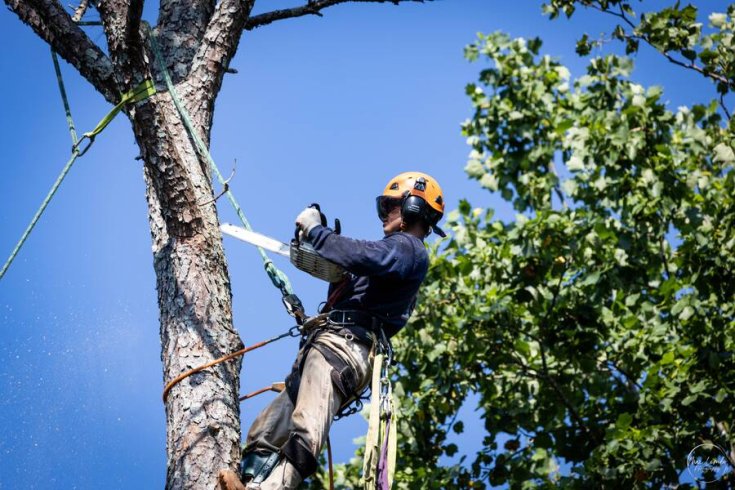
When most people hear the word pruning, they probably think of someone snipping away at tree branches with big clippers. While that’s technically true, tree pruning is way more complex - and interesting - than just cutting random limbs. Pruning…
Read More
What Happens If Tree Roots Freeze? Wintertime isn’t just tough on plumbing and roofing; it is also brutal on trees. Tree roots can freeze when soil temperatures drop below 15°F or the water within the soil surrounding the roots freezes…
Read More